
Introduction
Multi-day surf trip recovery is essential for surfers who want to enjoy the ocean fully, feel the thrill of riding waves, and stay strong day after day, especially when staying at Original Surf Morocco. However, surfing for several consecutive days also places serious demands on both the body and the mind. Long hours of paddling, constant movement, sun exposure, and travel fatigue can quickly add up if proper recovery is overlooked.
Many surfers underestimate how important recovery is, which can lead to sore muscles, stiff joints, heavy legs, and mental exhaustion that makes each session feel harder than the last one. Learning how to recover faster during a multi-day surf trip is not just about taking breaks when you feel tired.
It also means supporting your body through smart habits like staying hydrated, eating balanced meals, getting quality sleep, stretching, and practising simple self-care routines.
These habits help your muscles and mind reset, reducing fatigue and maintaining energy for every session. Paddling becomes smoother, pop-ups easier, and balance stays sharp even after several days of consecutive surfing.
Proper recovery also supports focus and enjoyment, helping you to make the most out of each wave. Ultimately, learning how to recover faster during a multi-day surf trip is the key to enjoying every session without unnecessary fatigue or frustration.
1- Why Recovery Matters on a Multi-Day Surf Trip
1-1 The Physical Demands of Surfing Day After Day: Multi-Day Surf Trip Recovery Tips
Surfing for several consecutive days places constant stress on the body, especially on the shoulders, lower back, legs and core, because paddling, popping up, balancing, and fighting currents require repeated explosive and endurance based movements that do not allow muscles enough time to fully repair if recovery is ignored.
When this physical load builds up day after day muscles fibers worn out, joints feel stiff, and coordination can decrease, making each session feel heavier than the last even if wave conditions remain the same.
Over time, this accumulated fatigue can reduce paddle strength, slow reaction time, and increase the risk of minor injuries that may end a surf trip earlier than planned.

1-2 How Poor Recovery Affects Performance and Enjoyment
When recovery is neglected during a multi day surf trip, performance in the water often drops noticeably, not because of lack of skill, but because the body is simply not prepared to repeat the same effort without rest and repair.
Poor recovery can lead to sore muscles, tight shoulders, reduces flexibility, and mental exhaustion, which together make surfing feel frustrating rather than fun.
Instead of enjoying the rhythm of the waves and the environment, surfers may find themselves struggling through sessions, feeling heavy on the board, and losing motivation, which directly effects the overall experience of the trip.
2- Multi-Day Surf Trip Recovery: Listen to Your Body Between Sessions
2-1 Recognizing Early Signs of Fatigue
Learning to recognize early signs of fatigue is essential during a multi-day surf trip, because the body often sends clear signals such as persistent soreness, unusual stiffness, slower paddling, or a general feeling of heaviness that should not be ignored.
These signs indicate that muscles and joints have not fully recovered from previous sessions and that continuing to surf at the same intensity may lead to overuse injuries.
Paying attention to these signals allows surfers to adjust session length, intensity, or timing in order to protect their bodies and maintain consistency throughout the trip.
2-2 Knowing When to Rest Instead of Paddling Out
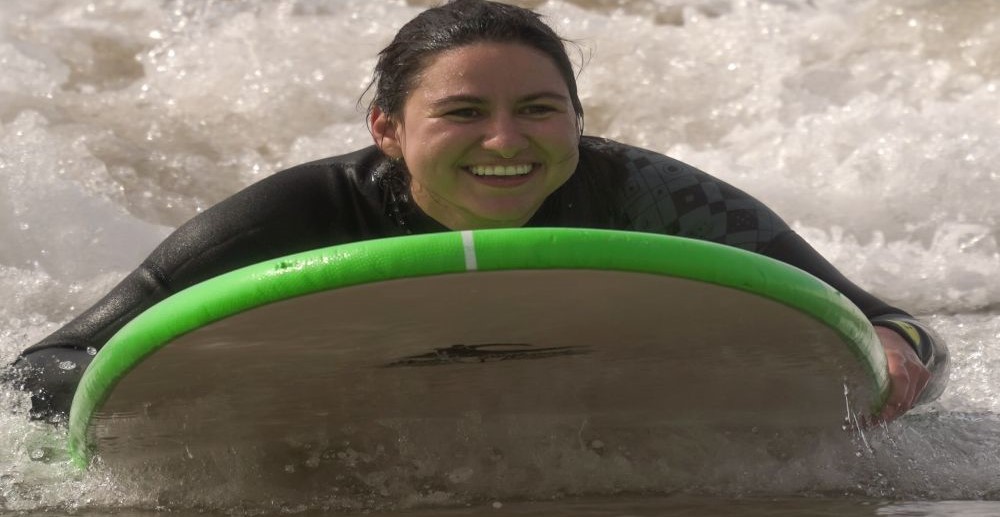
Knowing when to rest instead of paddling out can be difficult, especially when conditions look good, but rest is often what allows surfers to perform better in the following days rather than pushing through exhaustion.
Choosing to skip a session or shorten time in the water can help reduce inflammation, restore energy levels, and prevent small pains from becoming serious injuries.
By understanding that recovery is part of surfing and not a weakness, surfers can make smarter decisions that extend both performance and enjoyment over the entire trip.
3- Multi-Day Surf Trip Recovery: Hydration and Nutrition Tips
3-1 What to Eat After Long Surf Sessions
After Long surf sessions, the body needs proper nutrition repair muscle tissue, restore energy, and reduce fatigue, which makes post-surf meals an important part of recovery.
Consuming balanced meals that include carbohydrates for energy replenishment, protein for muscle repair, and healthy fats for overall recovery helps the body adapt to repeated physical effort. Eating well after surfing also supports immune function and prevents the energy crashes that often occur during intensive multi-day trips.
Reconnect with your body and your balance from here

3-2 The Importance of Staying Hydrated in the Sun
Staying hydrated during a surf trip is crucial, especially when spending hours under the sun, because dehydration can increase muscle soreness, slow recovery, and reduce physical performance in the water.
Surfing often masks fluid loss as cool water and wind make it easy to forget how much the body is sweating and losing electrolytes.
Drinking water consistently throughout the day, along with electrolyte-rich fluids when needed, helps maintain muscle function, reduce cramps, and support faster recovery between sessions.
4- Stretching and Mobility After Surfing
4-1 Simple Stretches to Reduce Muscle Soreness
Stretching after surfing helps reduce muscle tightness and soreness by improving blood circulation and allowing muscles to relax after intense use.
Gentle stretches focused on shoulders, hips, hamstrings, calves, and the lower back can help restore mobility and reduce stiffness that often appears the next morning.
When done consistently after each session, stretching becomes an effective recovery habit that supports flexibility and comfort throughout a multi-day surf trip.

4-2 Improving Flexibility to Prevent Injuries
Improving flexibility through regular mobility work can significantly reduce the risk of injuries during a surf trip, especially when the body is exposed to repeated strain over several days.
Flexible muscles and joints adapt better to sudden movements, wipeouts, and long paddling sessions, reducing stress on vulnerable areas.
Incorporation mobility exercises into daily recovery routines helps surfers stay loose, balanced, and physically prepared for consecutive days in the water.
5- Multi-Day Surf Trip Recovery: Sleep and Rest Strategies
5-1 Why Quality Sleep is Essential on Surf Trips
Quality sleep is one of the most powerful recovery tools during a multi-day surf trip, as it is during sleep that the body repairs muscle tissue, regulates hormones, and restores energy levels. Lack of proper sleep can slow recovery, increase soreness, and negatively affect focus and coordination in the water.
Prioritizing consistent and restful sleep helps surfers wake up feeling refreshed, stronger, and mentally ready for another day of surfing.
5-2 Creating a rest Routine While Traveling
Creating a simple rest routine while traveling helps maintain recovery despite changes in environment, schedule, and comfort. Small habits such as limiting late nights, reducing screen time before bed, and allowing the body to wind down after surf sessions can improve sleep quality.
A consistent rest routine supports physical recovery and keeps energy levels stable throughout the trip.
6- Multi-Day Surf Trip Recovery Techniques for surfers
6-1 Cold Showers, Ice Baths, and Their Benefits
Cold exposure through cold showers or ice baths can help reduce inflammation and muscle soreness after intense surf sessions, especially during multi-day trips.
These techniques stimulate blood circulation and may shorten recovery time when used correctly.
While not necessary for everyone, cold recovery methods can be a useful tool for surfers who experience heavy muscle fatigue or long hours in the water.
6-2 Massage, Foam Rolling, and Self-Care
Massage and foam rolling help release muscle tension, improve circulation, and reduce stiffness that builds up during consecutive days of surfing.
These self-care techniques allow surfers to target tight areas such as shoulders, back, and legs, supporting faster recovery and improved mobility. Making time for self-care helps the body reset and prepares it for upcoming sessions.

7- Mental Recovery and Staying Relaxed Part of Multi-Day Surf Trip Recovery
7-1 Avoiding burnout During Long Surf
Mental fatigue can be just as limiting as physical exhaustion during a multi-day surf trip, especially when expectations are high and sessions are frequent.
Allowing space for rest, reflection, and enjoyment outside the water helps reduce pressure and prevents burnout. Maintaining a relaxed mindset supports better decision-making and a healthier relationship with surfing during long trips.
7-2 Enjoying the Trip Beyond the Waves
Enjoying the trip beyond the waves helps create balance and supports mental recovery by allowing surfers to connect with the environment, culture, and people around them.
Exploring new places, sharing meals, or simply resting by the ocean can enhance the overall experience. When the trip is not focused only on performance, recovery becomes more natural and sustainable .

8- Preparing Your Body Before The Trip As a Part of Multi-Day Surf Trip Recovery
8-1 Conditioning and Training Ahead of Time
Preparing the body before a multi-day surf trip through conditioning and training helps reduce fatigue and speeds up recovery once the trip begins.
Strength training, endurance workouts, and flexibility exercises build a foundation that allows the body to handle repeated surf sessions more efficiently.
Good preparation leads to better performance and less strain during the trip.
8-2 Building Endurance for Consecutive Surf Days
Building endurance before the trip is essential for maintaining energy levels across multiple days of surfing, especially when sessions are long and conditions are demanding.
Endurance training improves cardiovascular capacity and muscular resilience, allowing surfers to recover faster between sessions. With proper endurance, the body adapts better to daily surfing and stays strong throughout the trip.
Conclusion Of Multi-Day Surf Trip Recovery
Recovery well during a multi-day surf trip is just as important as time spent in the water, because consistent energy strength, and focus are what allow surfers to truly enjoy each session.
By paying attention to your body, staying hydrated, eating properly, prioritizing sleep, and taking time for stretching and self-care recovery becomes a simple daily habit rather than an afterthought. These small effective practices help reduce fatigue, prevent injuries, and keep both the body and mind ready for the next paddle out.
Over time, good recovery allows the body to adapt to repeated surf session, making paddle easier and movements more controlled. When recovery is treated as part of the surf experience, confidence grows, performance improves naturally, and the entire trip becomes more rewarding and enjoyable from start to finish.
A well-recovered body also means fewer setbacks and more consistency in the water throughout the trip. This balance between effort and rest helps surfers stay motivated and mentally relaxed, even during demanding conditions. By making recovery an essential part of a surf trip, every surf day becomes an opportunity to perform better while still enjoying the journey.
Your surf journey in Morocco starts here.