
Introduction to Cultural Etiquette in Morocco
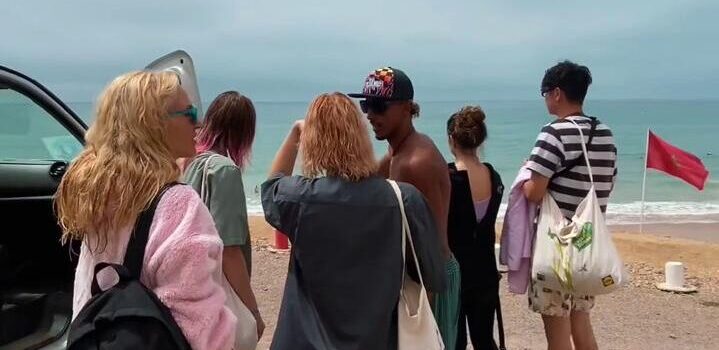
When you think of Morocco, your mind probably drifts to rolling waves, warm sunshine, and endless surf sessions. But a surf holiday in Morocco is about much more than the ocean — it’s about immersing yourself in a country full of rich traditions, vibrant culture, and unforgettable hospitality. Knowing the basics of cultural etiquette in Morocco will not only make your trip smoother but also help you connect more deeply with the people and places you encounter along the way.
If you’re planning a surf trip to Tamraght, Taghazout, or anywhere along Morocco’s coast, here’s your essential guide to understanding and respecting the culture while chasing waves.

1. Greetings and Hospitality
In Morocco, greetings are a big deal. Saying “Salam Alaikum” (“peace be upon you”) is the most common and respectful way to greet someone. The typical response is “Wa Alaikum Salam” (“and peace be upon you too”). Handshakes are common between men, while women may greet each other with kisses on the cheek. Between men and women, a smile and nod are usually best unless the woman initiates a handshake.
Hospitality is at the heart of Moroccan culture. Don’t be surprised if you’re invited to share a cup of mint tea after surf lessons or when wandering through a local village. Saying yes is often the best choice — it’s not just a drink, but a symbol of friendship and connection.
2. Dress Code Beyond the Beach
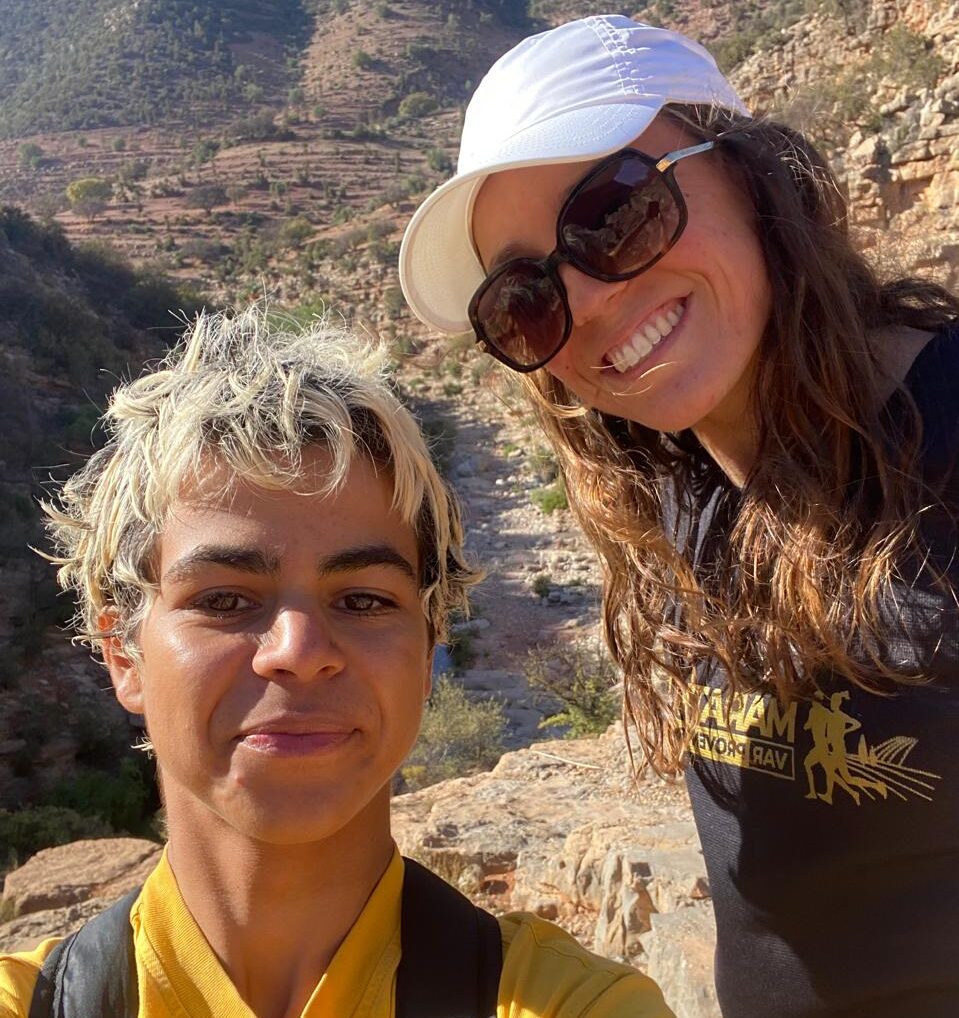
Morocco is relaxed along the coast, especially in surf towns like Tamraght and Taghazout, but it’s still important to be mindful of your clothing. On the beach, swimwear and surf gear are perfectly fine. However, once you step into the village or visit cities like Agadir or Marrakech, modest clothing is appreciated.
For men, t-shirts and shorts are generally fine, while women may feel more comfortable in loose dresses, skirts, or tops that cover shoulders. If you’re visiting religious sites, covering arms and legs is essential. A light scarf can come in handy for women to cover up when needed.

3. Surf Etiquette and Respect for Locals
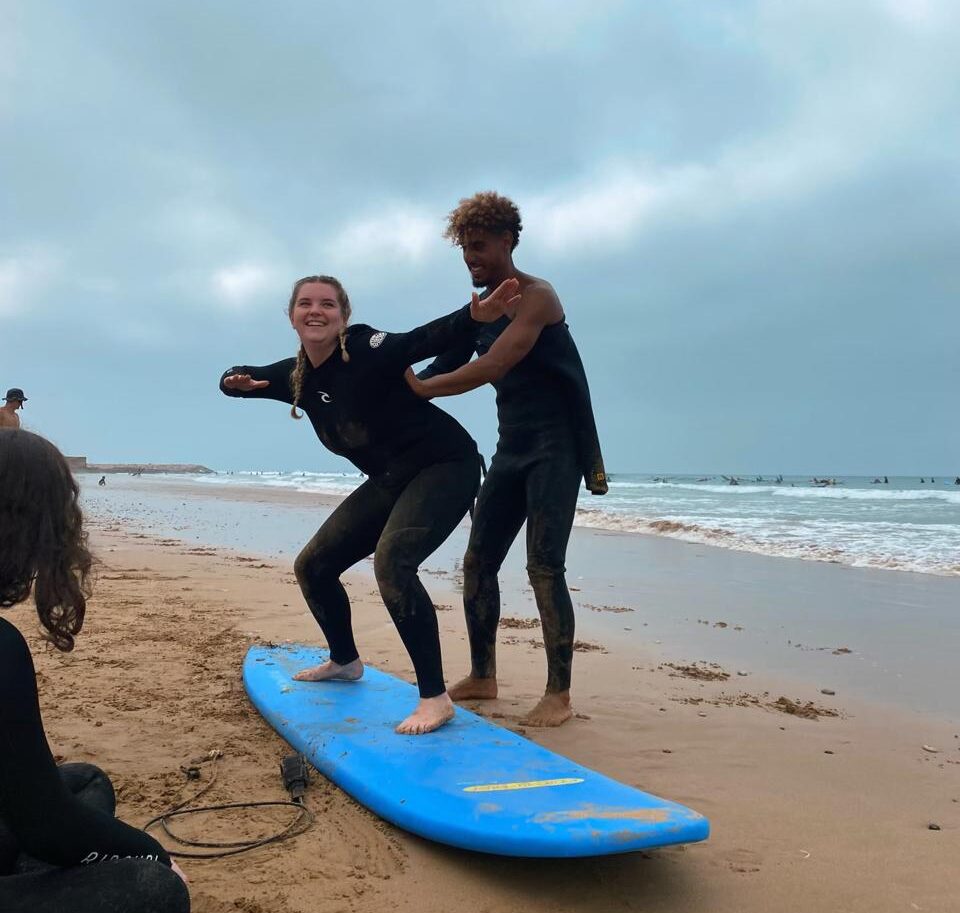
Surfers around the world share a code of respect in the lineup, and Morocco is no exception. Dropping in on someone else’s wave or paddling around the crowd isn’t just frowned upon — it’s seen as disrespectful. Remember: many Moroccan surfers grew up riding these waves, and for them, it’s home.
Follow basic surf etiquette:
-
Wait your turn.
-
Don’t snake or paddle around others.
-
Share the stoke — there are always enough waves to go around.
When in doubt, observe how the locals interact and follow their lead. Respect in the water goes a long way toward being welcomed into the lineup.
4. The Importance of Tea and Dining Customs
If there’s one drink you’ll never forget in Morocco, it’s mint tea. Sweet, refreshing, and always served with care, tea is at the center of Moroccan hospitality. When offered, accept it — refusing may be seen as impolite.
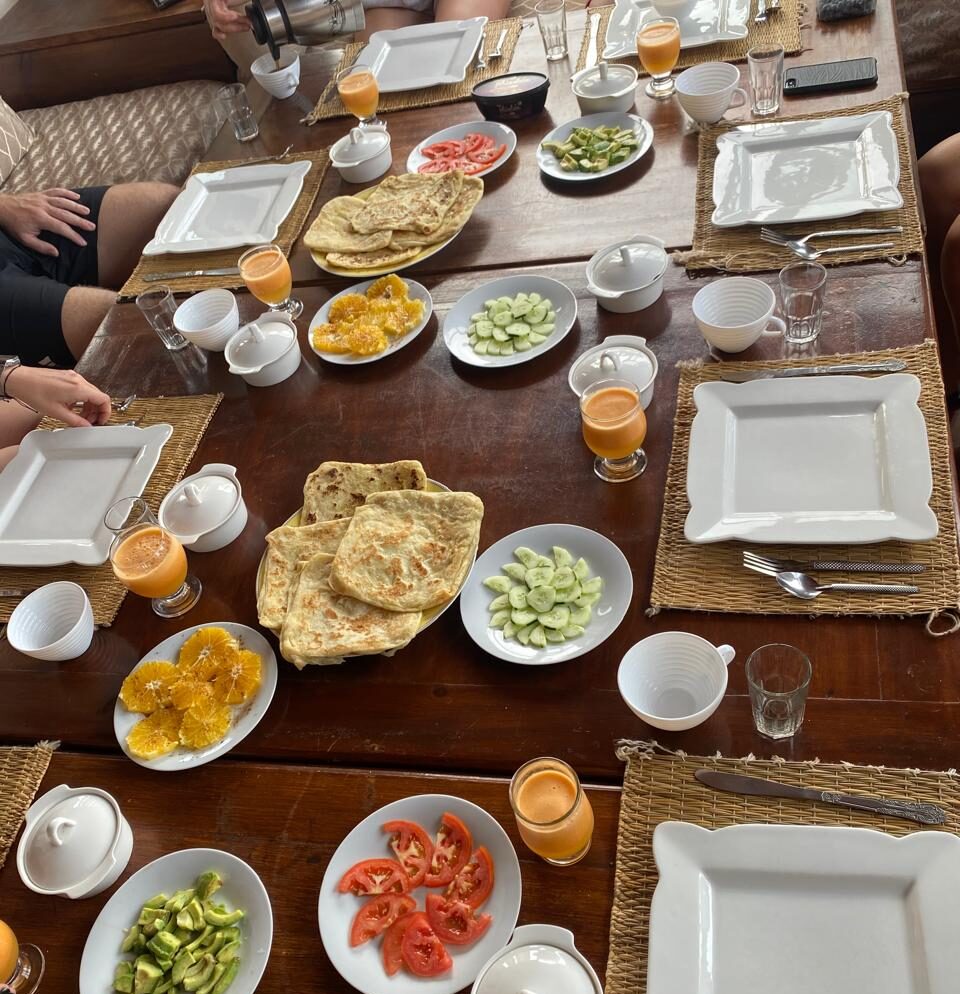
When sharing a meal, remember a few basics:
-
Use your right hand for eating, especially if sharing from a communal dish.
-
Bread is often used as a utensil, so don’t be shy about using it to scoop.
-
Meals are often social events, so take your time and enjoy the experience.
5. Fridays and Prayer Times
Islam is central to life in Morocco, and it’s important to be aware of religious customs. Friday is the holy day, and many shops or businesses may close for midday prayers. The adhan (call to prayer) can be heard five times a day. While you’re not expected to participate, being mindful — such as lowering your voice or pausing a conversation during the call — shows respect.
6. Negotiation and Souk Etiquette
Haggling is part of the fun when visiting Moroccan souks (markets). Prices are rarely fixed, and bargaining is expected. The key is to stay friendly and respectful. Smile, start lower than the asking price, and meet in the middle. If you don’t want to buy, simply say “no thank you” with a smile. A respectful approach will always get you further than being pushy.
7. Photography Etiquette in Morocco
Morocco is incredibly photogenic, from colourful medinas to bustling markets. But always ask before photographing people — especially women and elders. In rural villages, some may not want their picture taken at all. The same goes for religious sites; many mosques are closed to non-Muslims, and photography may be restricted. When in doubt, ask first.
8. Sustainability and Respect for Nature
As surfers, we have a responsibility to the ocean. Sadly, some beaches in Morocco, like elsewhere, face issues with litter. Do your part by cleaning up after yourself, carrying a reusable water bottle, and even joining a beach clean-up if your surf camp organizes one. Supporting eco-conscious surf schools and camps helps protect the coastline we all love.
Conclusion to Cultural Etiquette in Morocco
A surf holiday in Morocco is about more than catching waves — it’s about connecting with people, culture, and the environment. By understanding the basics of cultural etiquette in Morocco, you’ll not only show respect but also enrich your experience with deeper connections and lasting memories.
So whether you’re sipping mint tea after a surf session, exploring a bustling souk, or simply sharing waves with locals, remember: respect opens the door to the most authentic Moroccan experiences.
👉 Ready to experience the perfect balance of surf, culture, and community? Join us at Original Surf Morocco and let us guide you to the waves — and the heart of Moroccan hospitality.
FAQ About
1. What is the etiquette in Morocco?
Etiquette in Morocco is shaped by Islamic values, hospitality traditions, and respect for community. Some key aspects include:
-
Greetings matter: A handshake is common between men; with women, it’s polite to wait and see if she offers her hand. Adding “Salam Alaikum” (peace be upon you) is respectful.
-
Hospitality is sacred: When visiting someone’s home, it’s customary to bring a small gift like sweets. Refusing mint tea or food more than once may be seen as impolite.
-
Dress modestly: While coastal towns are more relaxed, modest clothing shows respect, especially in rural areas or religious sites.
-
Respect for religion: Avoid eating, drinking, or smoking in public during Ramadan daytime. Always be respectful around mosques.
-
Photography etiquette: Always ask before photographing people, especially women and older generations.
2. What are the five etiquettes?
If we break Moroccan etiquette into five core principles, they would be:
-
Respectful Greetings – A warm hello and inquiry about family is common.
-
Hospitality & Sharing – Accepting tea, meals, or invitations shows appreciation.
-
Modesty in Dress & Behavior – Particularly in traditional areas.
-
Respect for Religion & Customs – Including prayer times and Ramadan practices.
-
Politeness in Communication – Avoid direct confrontation; Moroccans value harmony and indirect politeness.
3. What are the 10 cultural values and examples?
Here are 10 cultural values deeply rooted in Moroccan society, with examples:
-
Hospitality – Guests are treated like family, often with mint tea and home-cooked food.
-
Family Bonds – Strong intergenerational ties; extended family gatherings are common.
-
Respect for Elders – Older people are given priority and addressed with formal respect.
-
Religion – Daily prayers, Ramadan fasting, and Islamic holidays guide social life.
-
Generosity – Sharing meals, time, and resources is a cultural expectation.
-
Community Spirit – Neighbors look out for one another, especially in rural areas.
-
Modesty – Reflected in dress, speech, and behavior.
-
Tradition & Heritage – Festivals, crafts, and storytelling keep culture alive.
-
Honor & Reputation – Maintaining family and personal honor is highly valued.
-
Tolerance & Diversity – Morocco’s history blends Arab, Berber, Jewish, Andalusian, and French influences.
4. What are the cultural influences of Morocco?
Morocco’s culture is a fusion shaped by history and geography:
-
Berber (Amazigh) traditions – Indigenous to North Africa, seen in language, crafts, and music.
-
Arab-Islamic culture – Brought during the Arab expansion, influencing religion, architecture, and social values.
-
Andalusian influence – From Muslims and Jews who fled Spain, enriching music, cuisine, and architecture.
-
French & Spanish colonial heritage – Present in language, education, and urban planning.
-
African roots – Morocco’s position as a gateway to Sub-Saharan Africa adds richness in trade, food, and music.