Ever shown up to the beach ready to surf—board waxed, wetsuit zipped—only to find messy waves and no idea why? Understanding surf conditions is the secret sauce that turns a frustrating session into a fun, wave-catching adventure.
If you’re new to surfing, it can feel like there’s a lot to learn. Don’t worry—everyone starts somewhere. Let’s break down the basics of surf conditions so you can paddle out with confidence.
1. TYPES OF SURF BREAKS
The shape of the ocean floor has a huge influence on the kind of waves you’ll find. These are the three main types of surf breaks:
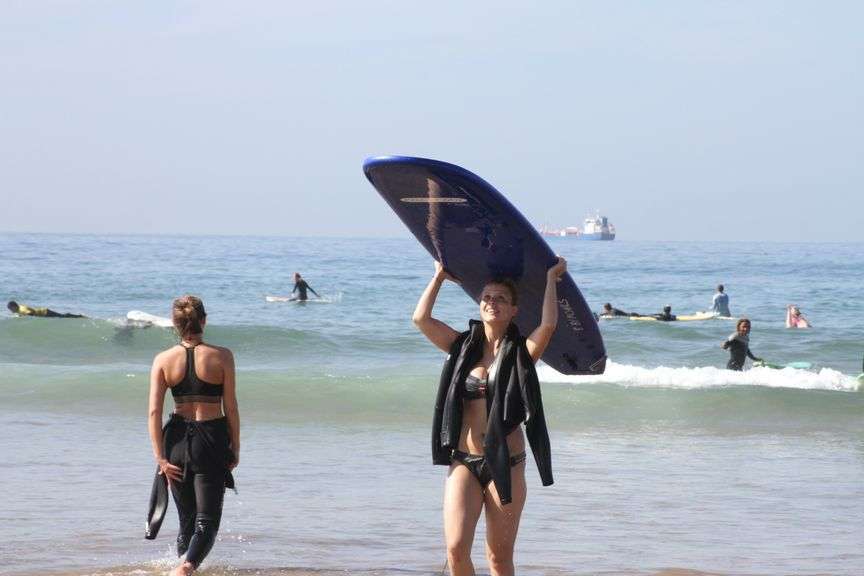
- Beach Break: Waves break over a sandy bottom. The wave quality changes often due to tides, storms, and shifting sandbanks. These are beginner-friendly and forgiving.
- Local examples: Devil’s Rock and Anza.
- Local examples: Devil’s Rock and Anza.
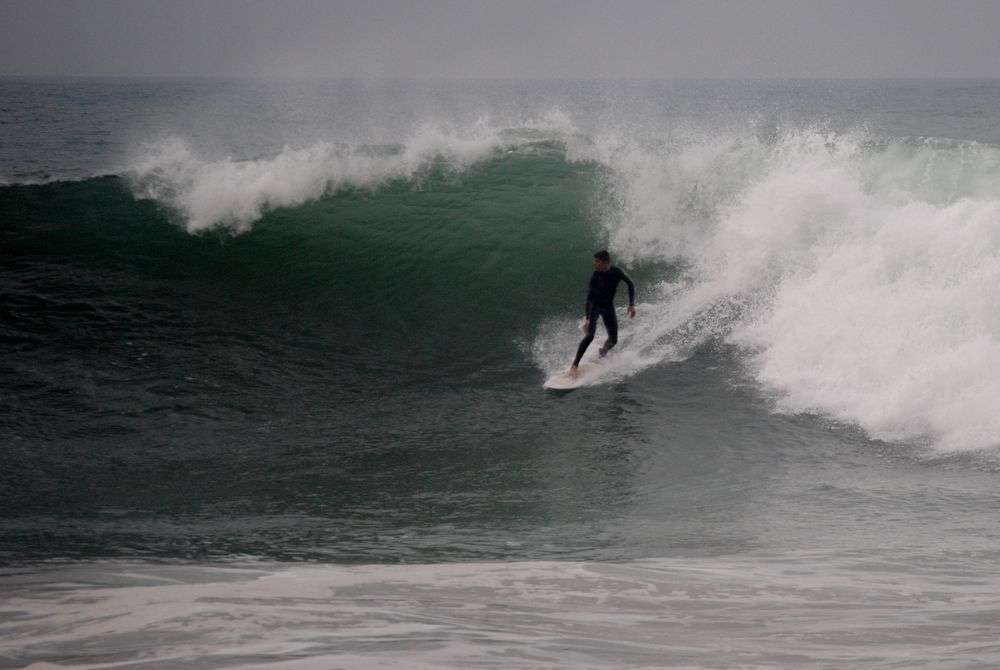
- Point Break: Waves peel along a point of land, either to the left or right. The bottom may be rock or sand. These breaks often offer long, clean rides.
- Great local examples include Anchor Point and Killer Point.
- Great local examples include Anchor Point and Killer Point.
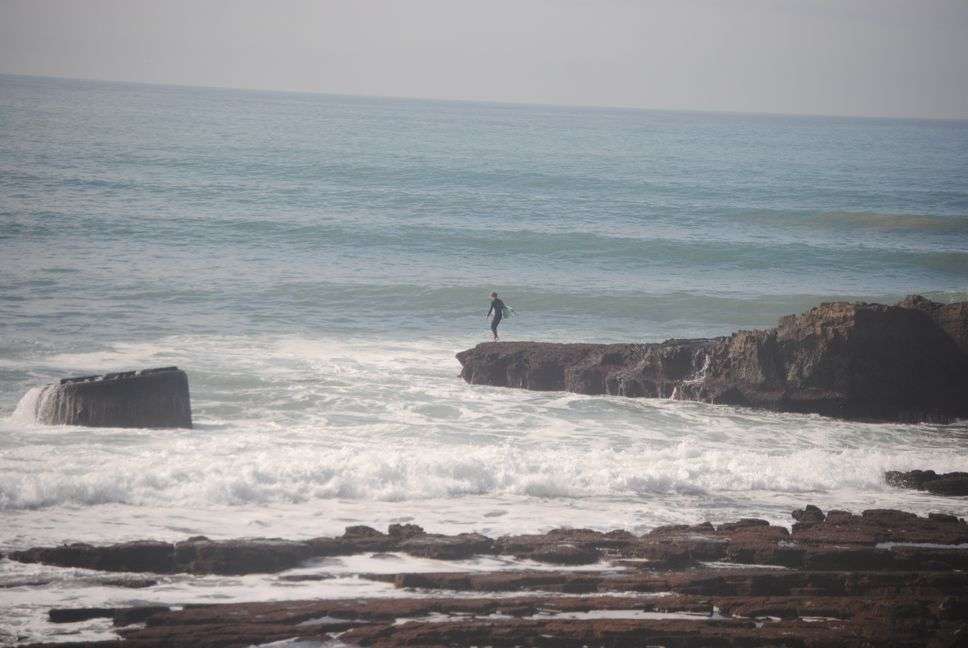
- Reef Break: Waves break over a coral reef or rocky shelf. These waves are powerful, hollow, and can be dangerous for beginners. Advanced surfers love them for their perfection.
Notable local reef breaks: Boilers and Draculas.
2. TIDES AND SURF CONDITIONS
Tides play a crucial role in how surf conditions develop at any spot. Depending on the tide (high, low, rising, or falling), a break can go from epic to flat or messy.
Each surf spot reacts differently to tides. Some work best at low tide, others only come alive at mid or high. That’s why checking local tide charts before you head out is essential, especially here in Morocco, where conditions can shift quickly.
Tip: Tides change roughly every 6 hours.
3. WAVE HEIGHT AND SWELLS
How big the waves are depends on the swell, essentially ocean energy traveling from storms far away.
Key swell factors:
- Size (measured in feet or meters)
- Direction (from which way the swell is arriving)
- Period (time between waves—longer periods mean more powerful waves)
Apps like Magic Seaweed or Surfline give real-time data on surf conditions, including swell height and how it will impact specific Moroccan breaks.
4. WIND: ONSHORE VS OFFSHORE
Even with a perfect swell, bad wind can ruin the waves.
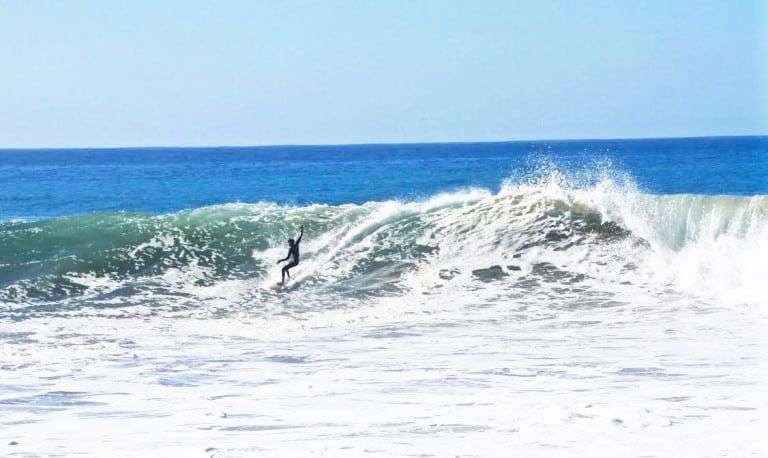
- Offshore Wind blows from land out to sea. It holds the wave face up, creating cleaner, better-shaped waves—ideal for surfing.
- Onshore Wind blows from sea to land. It messes up the wave face, making the surf choppy, weak, and less fun.
In Morocco, mornings often bring calm or offshore wind—perfect for early sessions.
5. SEASONAL SWELLS IN MOROCCO
Surf conditions in Morocco shift dramatically by season. Here’s a quick overview:
- Winter (Nov–March): Big, consistent swells hit the coast—ideal for intermediate to advanced surfers.
- Spring & Autumn (Apr-May): Milder swells, fewer crowds. Great for beginners learning to read waves.
- Summer (June–August): Smaller waves, warm water, and friendly surf—perfect for complete beginners.
Bonus tip: Beaches facing west or northwest pick up the best winter swells, while sheltered breaks shine when it’s smaller.
Understanding surf conditions doesn’t happen overnight. It takes time, observation, and practice.
The good news? You don’t have to learn it all alone.
At Original Surf Morocco, our local instructors help you read the ocean every day. Whether it’s understanding tides or chasing the best break for your level, our Surf Guiding Package makes sure you’re in the right place at the right time.
WANT MORE THAN JUST WAVES
Our packages also include:
- Lodging at our cozy surf hostel
- Daily surf lessons or guiding
- Yoga sessions to stretch and reset
- Healthy Moroccan meals
- Transportation to the best breaks
- Airport or bus station transfers
FINAL THOUGHTS
Surf conditions are like the weather—constantly changing and full of surprises. But with the right guidance and a little ocean knowledge, you’ll be riding confidently in no time.
See you in the lineup! 🌊
FAQ
1. How do you describe surf conditions?
Surf conditions refer to the combination of factors that affect wave quality and safety at a beach. These typically include:
- Wave height: Measured in feet or meters, describes how big the waves are.
- Swell direction & period: The direction from which the swell is coming and the interval between waves. Longer periods often mean more powerful waves.
- Tide: High or low tides can change how and where waves break.
- Wind direction: Offshore winds (blowing from land to sea) help shape clean, surfable waves, while onshore winds (sea to land) make waves choppy and messy.
- Currents and rips: Strong currents or rip tides can affect safety and paddling ease.
- Bottom type: Whether the waves break over sand, reef, or rock, which affects wave behavior and skill requirements.
Surf forecasts and apps like Magic Seaweed or Surfline help interpret these elements in real time.
2. Can you surf in Agadir?
Yes, Agadir is a fantastic surf destination in Morocco. It’s especially great for all levels of surfers—from complete beginners to advanced riders. Nearby villages like Tamraght and Taghazout offer a variety of surf spots:
- Beginners: Spots like Crocro Beach or Devil’s Rock are ideal with soft waves and sandy bottoms.
- Intermediate to Advanced: Reefs and point breaks like Anchor Point, Boilers, and Killer Point offer longer, more powerful rides.
Agadir has a long surf season (October to April being the peak), a warm climate, and reliable Atlantic swells.
3. What conditions are best for surf fishing?
For surf fishing, the best conditions usually include:
- Incoming tide: Fish tend to feed more during rising tides, especially 2 hours before and after high tide.
- Low wind: Calm or light offshore winds help with casting and water clarity.
- Overcast days: Fish are often more active when it’s cloudy.
- Stable surf: Moderate waves are ideal—enough movement to stir up bait, but not too rough to affect line control.
- Time of day: Dawn and dusk are often prime times.
Checking local tide charts and fishing reports can greatly improve your chances.
4. What surf conditions are not suitable for surfing?
Avoid surfing in these conditions for safety and enjoyment:
- Strong onshore winds or stormy seas: These create choppy, dangerous waves and poor visibility.
- Rip currents or heavy shorebreaks: Powerful rips can pull surfers out to sea, and shorebreaks can be hazardous when crashing directly onto sand.
- High wave heights beyond your ability: Always surf within your skill level.
- Polluted water: After heavy rains, especially near urban areas, runoff can bring bacteria and waste into the ocean.
- Crowded lineups (for beginners): Surfing in a packed area without confidence or experience can lead to accidents.