Exploring Point Breaks in Morocco
Surfing is a thrilling pursuit that lets people connect with the raw power of the ocean and experience the rush of gliding across its waves. Among the many surf destinations worldwide, Morocco has risen as a standout hotspot for riders looking for adventure and remarkable wave quality. With its breathtaking coastline and wide range of surf breaks, the country provides a true playground for surfers of every level. In this article, we explore the magic of point breaks in Morocco, uncovering the captivating waves and offering valuable insights to help you plan an unforgettable surfing experience.
What are Point Breaks?
Point breaks are a type of surf break defined by waves that peel steadily along the coastline. Unlike beach breaks or reef breaks, they form when incoming swells wrap around a rocky or sandy point, producing long, consistent waves that break in a predictable pattern. This unique formation gives surfers reliable, extended rides and a level of consistency rarely matched by other types of breaks.
Popular Point Breaks in Morocco
Anchor Point

Location:
Anchor Point is located about 20 kilometers north of Agadir and is easily accessible by car or taxi from the city. It’s also just a 10-minute drive from our surf house in Tamraght, making it a convenient surf spot for both locals and travelers.
Wave Description and Characteristics:
The wave at Anchor Point is famous for its power and consistency, earning its reputation as a favorite among more experienced surfers. This right-hand point break delivers long, peeling waves that can reach impressive heights. Breaking over a rocky reef, the wave forms ideal conditions for powerful, challenging rides that attract surfers from all levels—though it’s especially suited to those with experience.
⇒ Come see what the waves are teaching to surfers from here
Best Conditions for Surfing Anchor Point:
To get the most out of a session at Anchor Point, it’s important to time your surf with the right conditions. The spot is most reliable during winter, from November to March, when Atlantic swells are strongest. Low to mid tide typically offers the best shape and longest rides. Both shortboards and longboards work here depending on swell size and power, but due to the wave’s intensity, solid surf skills are strongly recommended before paddling out.
Tips for Surfing Anchor Point:
-
Prioritize safety: Get familiar with the reef, currents, and any hazards before entering the water. Always surf within your limits and respect the wave’s strength.
-
Time it well: Keep an eye on swell charts and tide forecasts to choose the best moment to paddle out. The right tide can completely transform your session.
-
Use the right equipment: Pick a board that matches the conditions and your ability—shorter boards for maneuverability in bigger surf, or a longer board for added stability and easier paddling.
-
Respect the lineup: Anchor Point gets busy during peak season. Respect local surfers and follow proper surf etiquette to keep the atmosphere friendly and enjoyable for everyone.
Killers
Location:
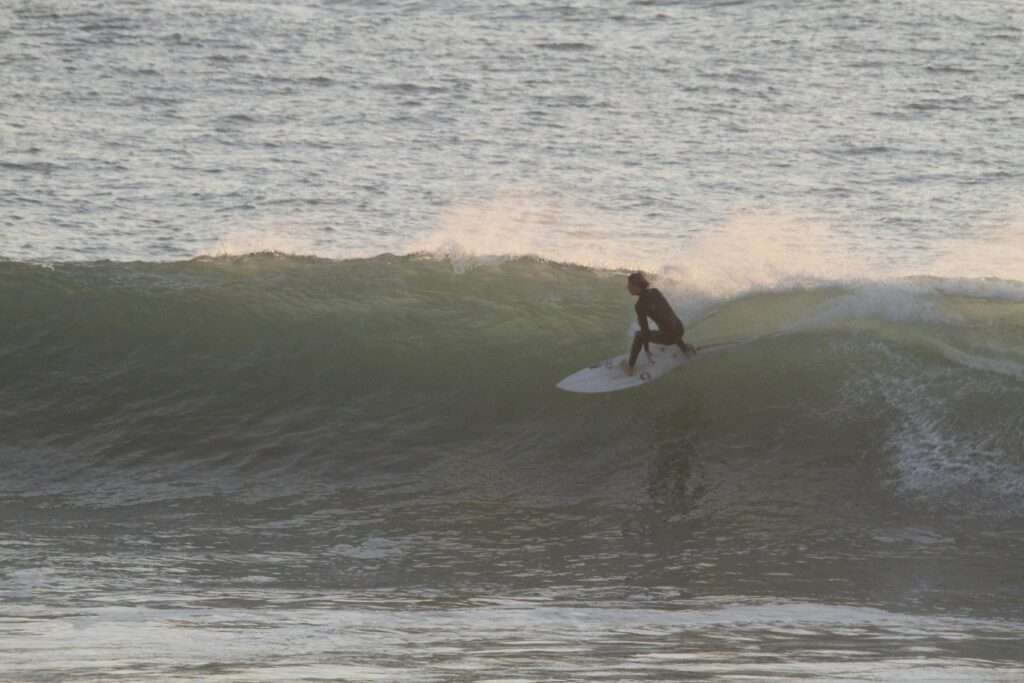
Situated near the town of Taghazout in southwestern Morocco, Killer Point sits along the stunning Atlantic coastline. Its prime position makes it easily accessible and a favorite destination for surfers looking to challenge themselves in a beautiful and dramatic setting.
Wave Description and Characteristics:
Killer Point features a powerful, consistent right-hand reef break that is highly respected by experienced surfers. The wave typically begins breaking around a rocky point, creating a long, fast ride ideal for advanced surfers who feel confident in larger, more demanding conditions.
Best Conditions for Surfing Killer Point:
To make the most of your session at Killer Point, aim for the following conditions:
-
Swell: The break works best with a steady groundswell from the northwest or west, ideally ranging between 4 to 8 feet.
-
Tide: Mid to high tide usually produces the most favorable wave shape and longest rides, though skilled surfers can still manage the wave during low tide.
-
Wind: Offshore or light cross-offshore winds provide clean, well-groomed waves.
-
Season: Autumn and winter (October to February) offer the most reliable conditions, with bigger swells and consistent surf throughout the season.
Tips for Surfing Killer Point:
Surfing Killer Point requires confidence, technical ability, and respect for the ocean. Keep these tips in mind:
-
-
Know your limits: This is a challenging wave suited to intermediate and advanced surfers comfortable with fast, powerful conditions.
-
Study the lineup: Spend time observing the wave’s behavior, entry and exit points, and the lineup flow. Understanding the rhythm of the break will help you position yourself for the best take-offs.
-
Respect surf etiquette: Show consideration for local surfers and the environment. Take turns, share waves, and stay mindful of others in the lineup.
-
Boilers
Location:
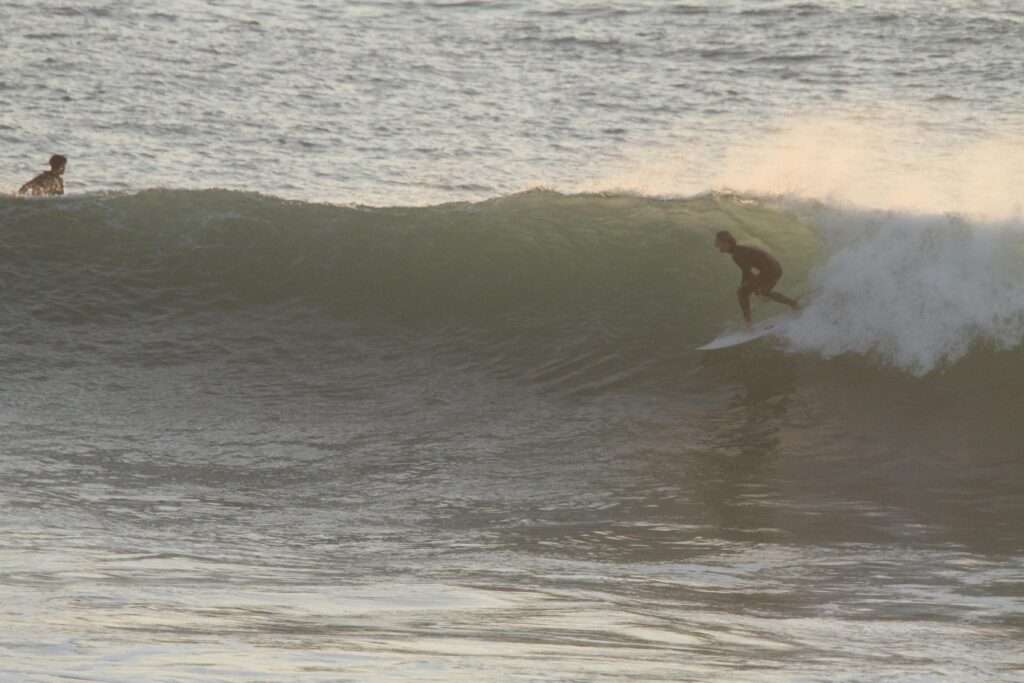
Located along Morocco’s Atlantic coastline, Boilers sits in the picturesque area near Taghazout. Found just north of the famous surf spot Anchor Point, this iconic break is easy to reach and well-loved by both locals and visiting surfers. Its convenient location and striking scenery make it an ideal place to experience the full thrill of Moroccan surfing.
Wave Description and Characteristics:
Boilers Point is known for its consistent and powerful waves that attract surfers of varying levels. The reef break produces strong, barreling waves that deliver an adrenaline-filled ride. These waves are often long and fast, giving surfers ample time to perform maneuvers and enjoy extended rides. The combination of punchy waves and dramatic surroundings creates an unforgettable surf experience for those seeking a more adventurous challenge.
Best Conditions for Surfing Boilers Point:
To get the most out of your session at Boilers Point, it’s essential to pay attention to the ideal conditions that bring out the best in the wave. Swell direction, tide, and wind all play a key role in shaping the powerful, clean lines that Boilers is known for.
Tips for Surfing Boilers Point:
Keep these important tips in mind to enhance your surf experience at Boilers:
-
-
Safety First: The wave is powerful and breaks over a reef, so always prioritize safety. Familiarize yourself with the spot, understand the hazards, and consider wearing proper surf gear such as a leash—and even a helmet if needed.
-
Timing Is Key: Plan your surf session around the best tide and wind conditions. Showing up when the elements align will significantly improve your chances of scoring high-quality waves.
-
Respect Local Etiquette: Be mindful of local surfers and follow surf etiquette. Take turns, stay aware of others in the water, and maintain a friendly, respectful attitude.
-
Know Your Skill Level: Boilers can be demanding due to its power and reef bottom. It is not recommended for beginners. Intermediate to advanced surfers will be best equipped to handle the conditions safely.
-
BANANA POINT
Location:
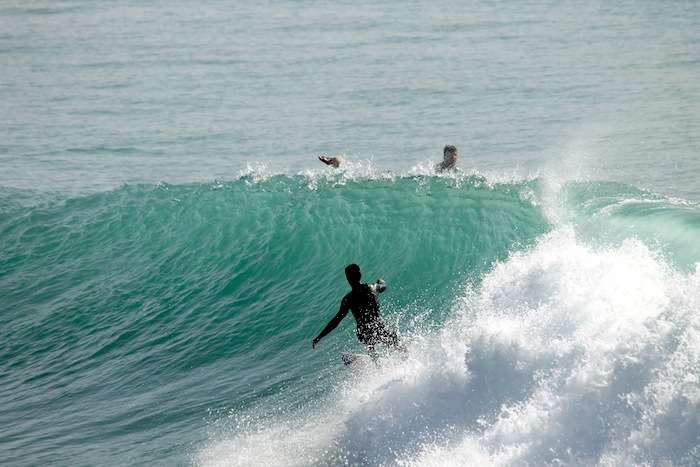
Banana Point is located in the southern region of Morocco, within the village of Tamraght, just 13 kilometers north of Agadir. The spot gets its distinctive name from the nearby banana plantations lining the Tamraght River, adding a unique charm to this coastal area. With its mild climate, rich cultural surroundings, and sweeping ocean views, the region is an ideal destination for both surfers and travelers looking to experience Morocco’s coastal beauty.
Wave Description and Characteristics:
Banana Point is famous for its world-class right-hand point break that offers long, playful rides. The wave features smooth, peeling faces that give surfers plenty of room for high-performance maneuvers. With the right swell and tide, rides can stretch up to 300 meters, delivering an exciting and memorable surfing experience. Known for its consistency, Banana Point works especially well during mid to high tide.
Best Conditions for Surfing Banana Point:
To enjoy Banana Point at its best, surfers should consider a few key factors. The prime season runs from October to April, when the Atlantic delivers more reliable and powerful swells. Wave heights generally range from 2 to 8 feet, making the spot most suitable for intermediate to advanced surfers who can fully enjoy its long, flowing rides.
Tips for Surfing Banana Point:
-
-
Timing Is Key: Plan your session around the tides—mid to high tide brings out the best wave shape and quality.
-
Equipment: Choose a board that matches the wave style. Performance shortboards or fish shapes are ideal for maneuvering on the long right-hand walls.
-
Respect the Locals: Banana Point is close to the popular surf hub of Taghazout, so it’s important to follow local surf etiquette and share waves respectfully.
-
Stay Warm & Protected: Even with Morocco’s mild coastal weather, a wetsuit is recommended to stay comfortable during extended surf sessions.
-
Explore the Area: Beyond the waves, Banana Village offers vibrant culture, delicious local food, and stunning landscapes—making it well worth a visit between sessions.
-
Conclusion of Point Breaks in Morocco
In conclusion, Morocco remains an outstanding destination for surfers in search of adventure and world-class wave conditions. With its dramatic coastline and wide range of surf spots, the country offers a vibrant playground for surfers of every level.
This article has highlighted the unique appeal of Morocco’s point breaks, showcasing their mesmerizing waves and offering practical insights to help you make the most of your surfing experience. Whether you’re chasing long peeling rides or seeking new challenges, Morocco’s surf landscape promises unforgettable moments in the water.
FAQs About Point Breaks in Morocco
-
What are the average water temperatures in Morocco for surfing?
The average water temperatures in Morocco vary throughout the year, but overall the country enjoys a mild Mediterranean climate with warm summers and cooler winters. In the Agadir–Taghazout–Tamraght region, water temperatures typically range between 17°C (63°F) in winter and 22°C (72°F) in summer. The warmest months are July and August, while the coolest temperatures are usually felt in February.
-
Are there surfboard rental services available in Morocco?
Yes, surfboard rental services are widely available in Tamraght, Taghazout, and Agadir. Surf camps, surf schools, and local surf shops offer a wide range of boards for beginners, intermediates, and advanced surfers. Whether you’re staying at a surf camp like Original Surf Morocco or exploring independently, you’ll have no problem finding a suitable rental.
-
Is surfing in Morocco suitable for beginners?
Absolutely—Morocco has many beginner-friendly surf spots, especially around Taghazout, Tamraght, and Agadir. These areas offer mellow beach breaks, professional surf schools, and easy learning conditions depending on the season. Many beginners choose Morocco as their first surf destination thanks to its warm weather, consistent waves, and supportive surf-camp environment.
-
How crowded are the point breaks in Morocco?
Crowd levels vary depending on the surf spot, season, and time of day. Some point breaks can become busy, especially during peak surf season (winter) and on weekends. A few factors that influence crowd levels include:
-
-
Season: Winter swells attract more surfers, while summer tends to be quieter.
-
Time of day: Early morning and late afternoon sessions are usually less crowded.
-
Spot popularity: Famous breaks like Anchor Point and Killer Point naturally draw more surfers.
-
-
Are there any local restrictions or regulations for surfing in Morocco?
For individual surfers, there are no restrictions—you can surf freely at any spot. However, teaching surfing requires a registered business. Foreigners or Moroccans offering surf lessons without a legal surf school or surf camp are not permitted to teach. Visitors who simply want to surf recreationally do not need any permits.
⇒ Start your Moroccan surf adventure from here