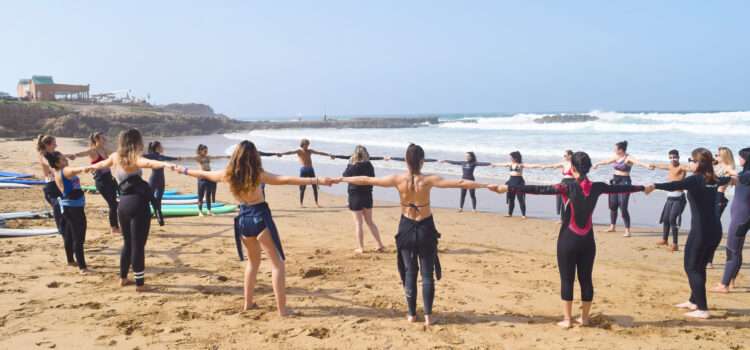
Introduction to the moroccan surf scene
Surfing has been gaining popularity all over the world, and there’s no better place to catch the perfect wave than Morocco. With its long stretches of Atlantic coastline and year-round sunshine, Morocco offers ideal conditions for a surf adventure. It’s a country with a rich culture, a welcoming spirit, and an ever-growing surf community. In recent years, surf camps in Morocco have been taking the surf scene by storm. Here’s how the Moroccan surf scene grew from a quiet fishing village into one of the most talked-about surf destinations in the world.
The rise of the moroccan surf scene, from 1989 to today
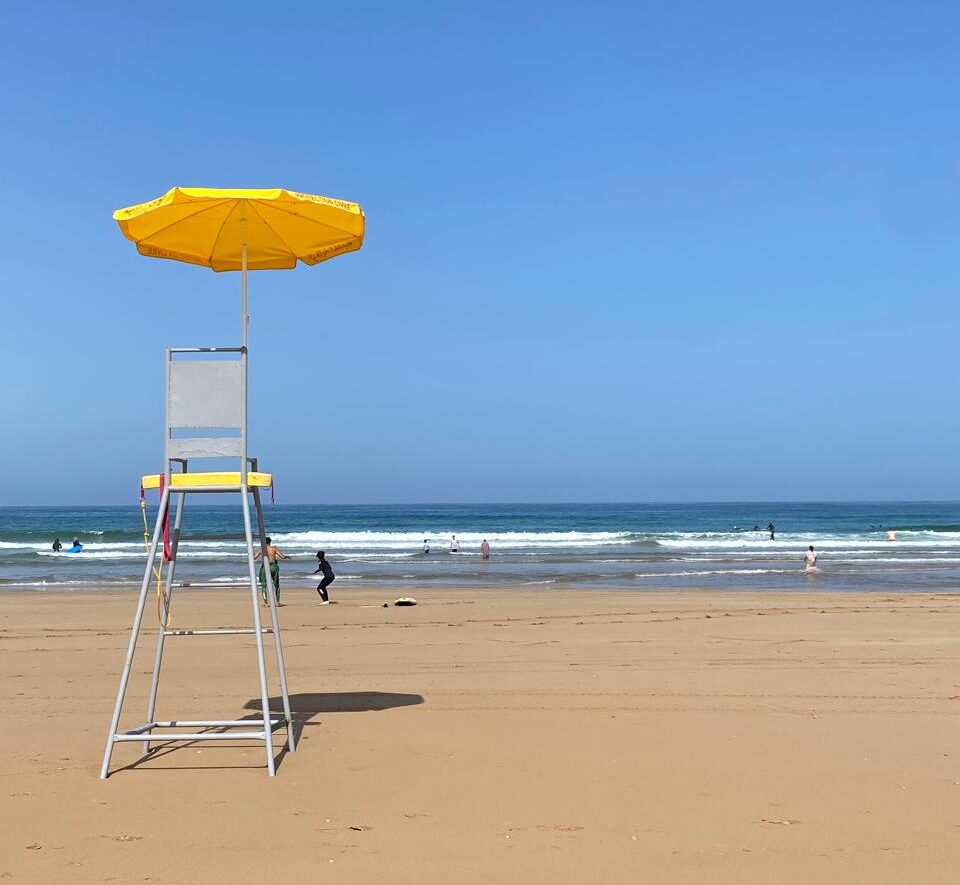
Morocco’s surf culture has been steadily growing over the past few decades, giving rise to a vibrant and dynamic surf camp industry.
A defining moment came in 1989 when the first surf camp was established in the coastal village of Taghazout.
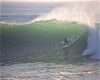
This marked the beginning of a new era for Moroccan surfing. Taghazout, with its world-class right-hand point breaks and laid-back village vibe, quickly became a magnet for surfers from around the globe.
Since then, the region has flourished.
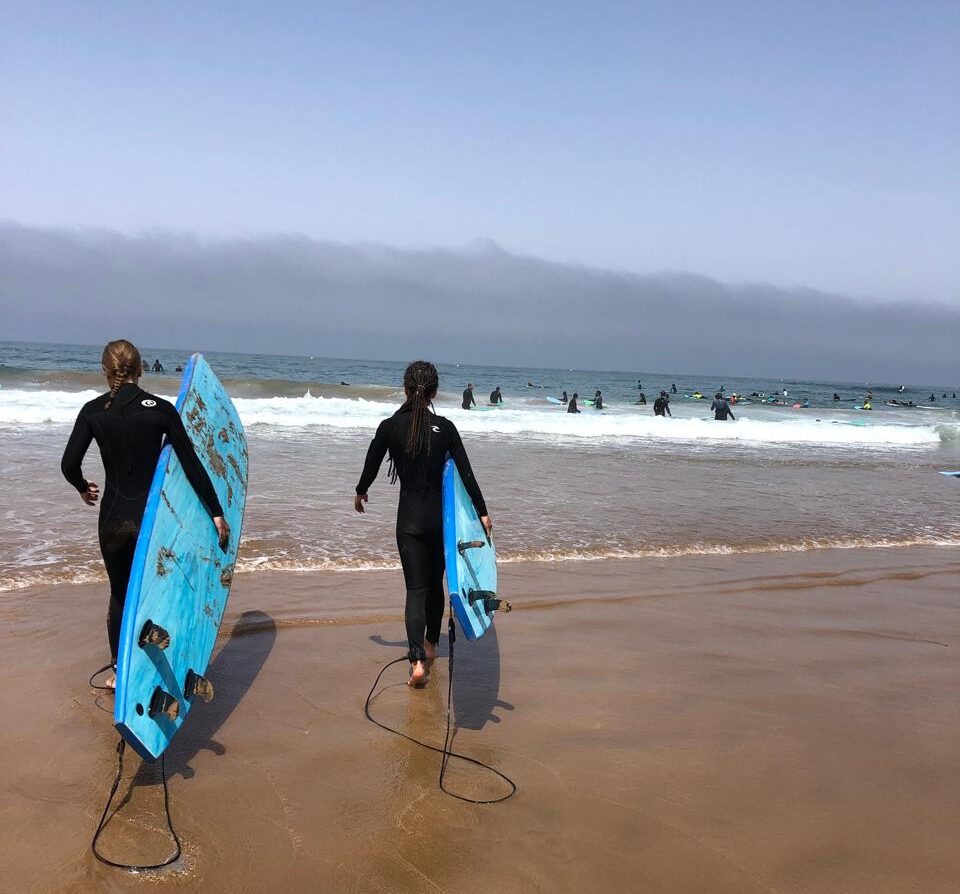
Surf camps have multiplied, and Taghazout has transformed from a sleepy fishing village into a renowned surfing destination.
The area’s success lies in its unique blend of reliable waves, warm hospitality, and an atmosphere that invites connection and community.
Surfers of all levels return year after year, drawn by the thrill of the surf and the warmth of Moroccan culture.
These camps offer more than just surf lessons—they provide travelers with the opportunity to fully immerse themselves in Morocco’s surf lifestyle while enjoying authentic cultural experiences.
How the moroccan surf scene grew into a global destination
Surf culture has become an integral part of Morocco’s identity along the coast.
With increasing accessibility and exposure to international surf culture, many local Moroccans have taken up the sport.
This has had a ripple effect on local economies and tourism.
Just a few years ago, Banana Village and Imiouddar were quiet, little-known places with minimal tourist infrastructure.
Today, they are bustling surf destinations with thriving surf camps, cafes, and local businesses built around the needs of surfers. This growth has been the defining force behind the Moroccan surf scene becoming recognised internationally.
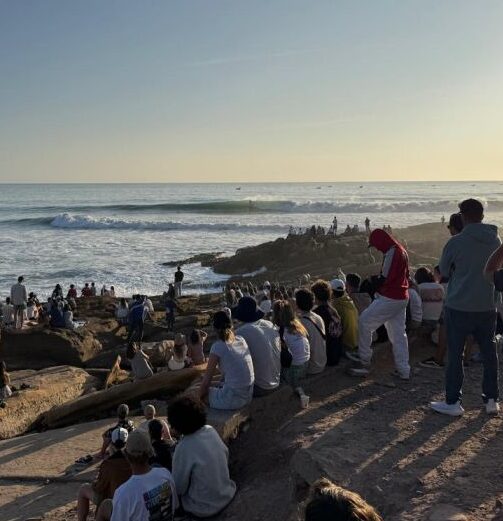
The emergence of major international surf competitions in Morocco has further fueled this growth.
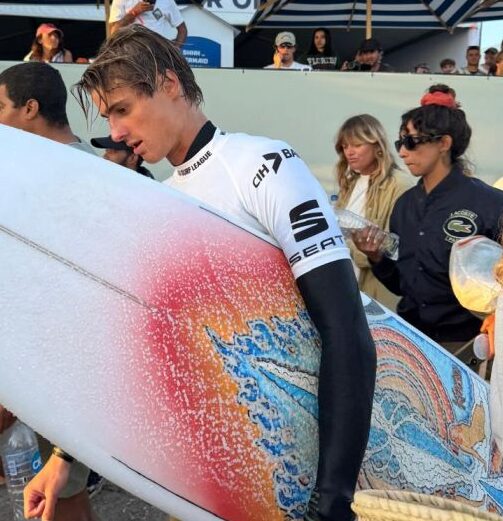
Events like the WSL Pro Taghazout Bay and the Morocco Mall Junior Pro in Casablanca have brought global attention to Moroccan waves and boosted local pride in the nation’s surf potential.
The rising popularity of surfing has also led to increased demand for surf gear, prompting major surf brands such as Rip Curl and Quiksilver to establish a retail presence in the country.
Morocco is now on the map not just for its waves, but also for its role in the global surf industry.
INCREASING DEMANDS FOR SURF CAMPS
As more travellers seek meaningful, active holidays, the demand for surf camps in Morocco continues to rise.
These camps cater to all levels, from absolute beginners to seasoned surfers looking to sharpen their skills.
Whether you’re a solo adventurer, a couple, or a group of friends, there’s a surf camp experience designed for you.

In addition to surf lessons, many camps offer packages that include accommodation, meals, yoga classes, cultural excursions, and equipment rental.
This all-inclusive model simplifies the planning process and allows guests to focus on enjoying their time in the water.
THE EMERGENCE OF PROFESSIONAL SURFING COMPETITIONS IN MOROCCO
Morocco is increasingly becoming a hotspot on the global surfing competition circuit. It now hosts several professional surfing events each year, including:
- Quiksilver Pro Casablanca
- Roxy Pro Casablanca
- WSL Pro Taghazout Bay
These events attract elite surfers from around the world, giving Moroccan surfers the chance to compete on home turf and inspiring a new generation to take up the sport. The competitions are also an opportunity for surf tourism to shine, bringing in visitors and media coverage that showcase Morocco’s incredible surf potential. Events like the WSL Pro Taghazout Bay have put the Moroccan surf scene firmly on the global map.
How the Moroccan Surf Scene Camps Are Different
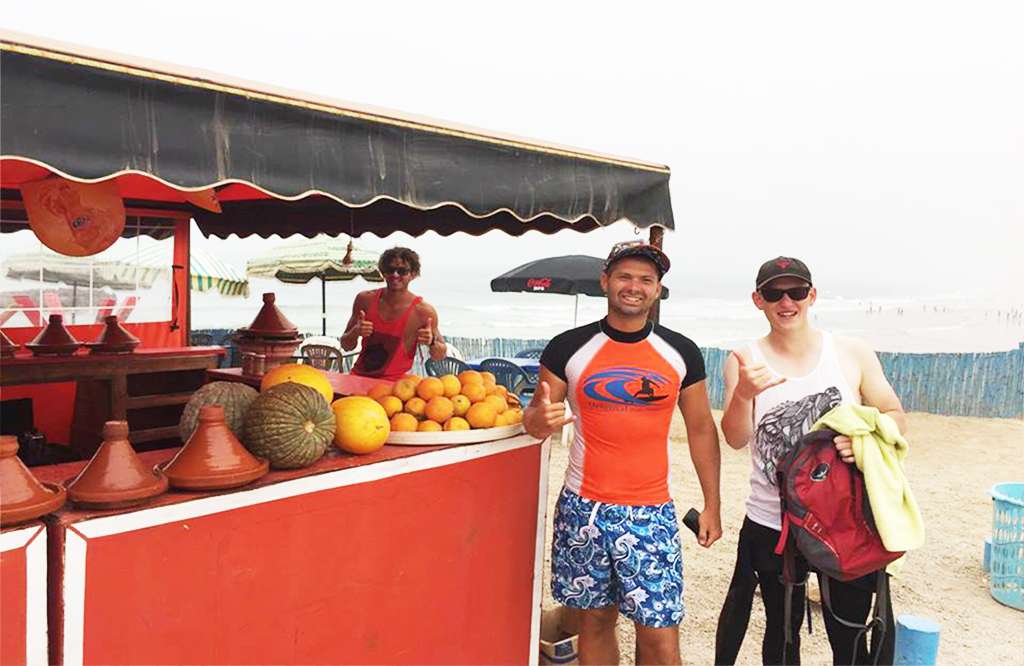
Surf camps in Morocco stand out for the unique blend of quality surfing and cultural immersion. Here’s what sets them apart:
- Experienced Surf Instructors: Many instructors are ISA-certified and have years of local and international surf experience.
- High-Quality Surf Gear: Camps provide access to well-maintained boards and wetsuits suited for local conditions.
- Diverse Surf Breaks: From mellow beach breaks to powerful reef and point breaks, Morocco offers a variety of waves for all levels.
- Cultural Connection: Guests can enjoy Moroccan hospitality, cuisine, and traditions through organized activities and everyday interactions.
- Seamless Accommodations: Camps often offer cosy, stylish lodgings that reflect Moroccan aesthetics, ensuring comfort and charm.

Benefits of Joining the Moroccan Surf Scene
Choosing a surf camp in Morocco offers multiple benefits beyond just learning to surf:
- Fast and Safe Learning: Professional guidance accelerates progress and ensures safety in the water.
- Improved Physical Fitness: Surfing boosts strength, flexibility, and endurance.
- Boosted Confidence: Overcoming the challenge of catching waves builds self-assurance.
- A New Way of Traveling: It’s an immersive experience that goes beyond traditional tourism.
- Perfect Blend of Adventure and Relaxation: Daily surf sessions combined with yoga, delicious meals, and beachside lounging create balance.
CHOOSING THE PERFECT SURF CAMP IN MOROCCO
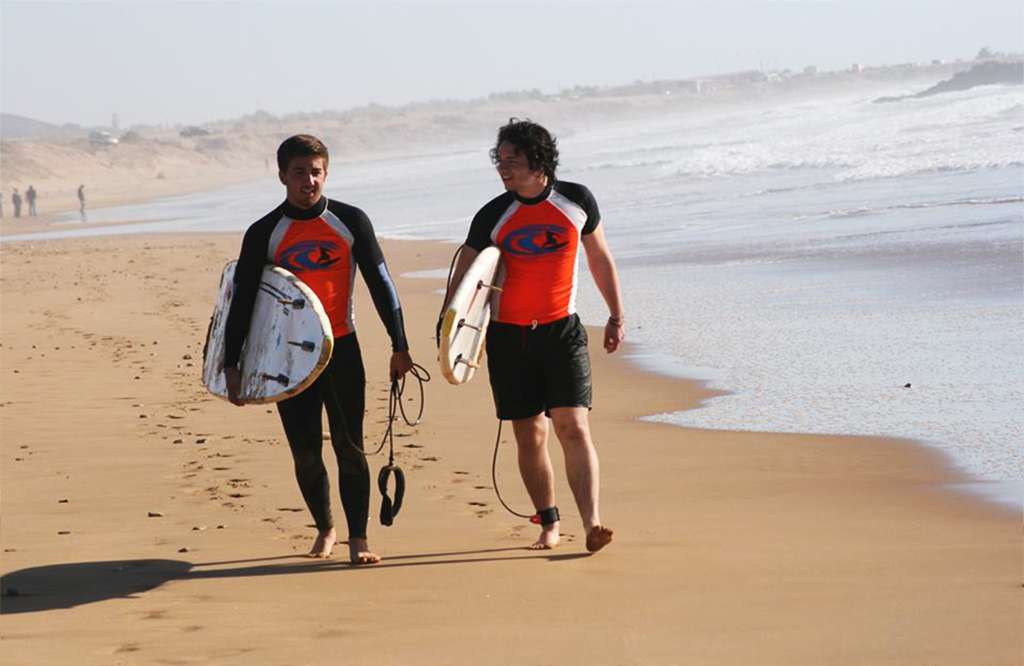
With so many options available, here are some key factors to consider when selecting your ideal surf camp:
- Your Surfing Level: Look for camps that specialize in beginner, intermediate, or advanced coaching, depending on your experience.
- Budget: Surf camps in Morocco vary widely in price; consider what’s included in the package.
- Accommodation Preferences: From shared dorms to private rooms or boutique riads, accommodations can vary in style and amenities.
- Additional Activities: Yoga, cultural tours, excursions to souks or Paradise Valley can enrich your surf trip.
THE IDEAL TIME TO VISIT MOROCCO FOR SURFING
Morocco offers great surfing conditions year-round, but the best time depends on your goals:
- For Beginners: Gentle summer swells (May to September) are ideal for learning.
- For Experienced Surfers: Bigger, more consistent waves roll in from October to March.
- For Culture Lovers: Shoulder seasons (April-June and September-November) offer pleasant weather and fewer crowds, perfect for sightseeing and local experiences.
TOP SURF SPOTS IN MOROCCO
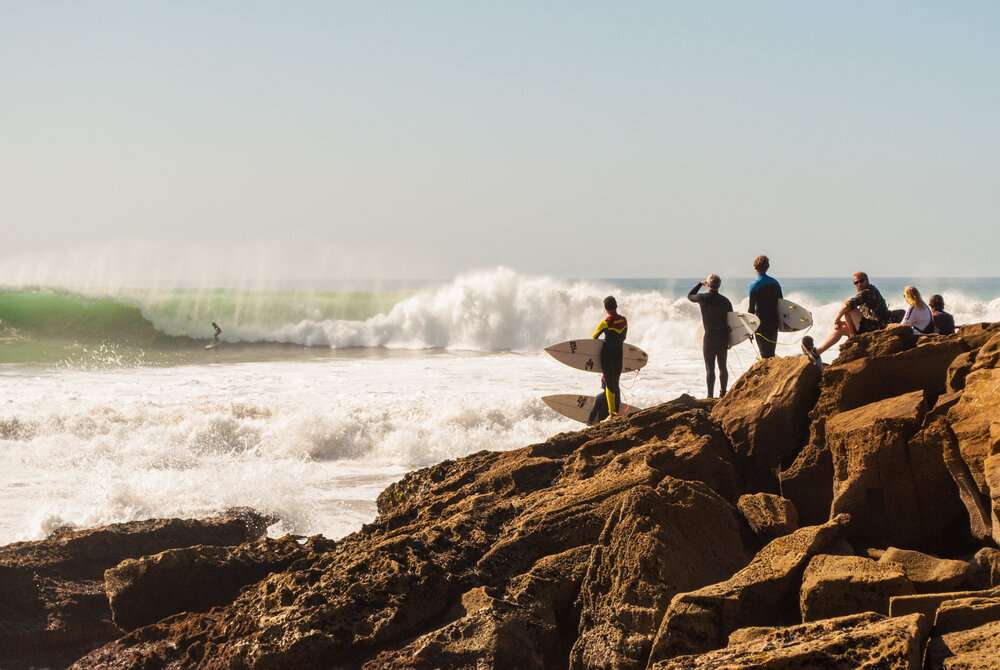
There is no shortage of incredible surf spots in Morocco. Here are a few must-visits:
- Taghazout: Home to famous breaks like Anchor Point, Panorama, and Hash Point.
- Imsouane: Known for its long, mellow right-hand point break—perfect for longboarding.
- Sidi Kaouki: A laid-back village south of Essaouira with consistent surf and a bohemian vibe.
- Essaouira: Windy and vibrant, with surf and kitesurf potential.
- Mirleft: More remote and less crowded, offering powerful beach and point breaks.
(For more spots, check out our full guide to the 24 Best Surf Spots in Morocco.)
PREPARING YOUR SURF TRIP IN MOROCCO
Here are some practical tips to ensure a smooth and enjoyable surf holiday:
-
- Book Early: Especially during peak seasons, camps fill up fast.
- What to Pack: Sunscreen, surf gear (if not renting), swimwear, light clothes, warm layers for evenings, and reusable water bottles.
- Travel Insurance: Ensure your policy covers surf activities.
- Bringing Your Own Board: Airlines have specific policies; check in advance to avoid extra fees or issues.
WHAT TO EXPECT DURING A TYPICAL SURF CAMP DAY
A day in a Moroccan surf camp usually includes:
- Morning: Energizing breakfast followed by surf lessons or guided surf sessions.
- Midday: Beach lunch and rest.
- Afternoon: More surf or optional activities like yoga or sightseeing.
- Evening: Delicious home-cooked Moroccan dinner, socializing with fellow guests, or attending a cultural workshop.
CULTURAL ACTIVITIES AND LOCAL EXPERIENCES IN MOROCCO
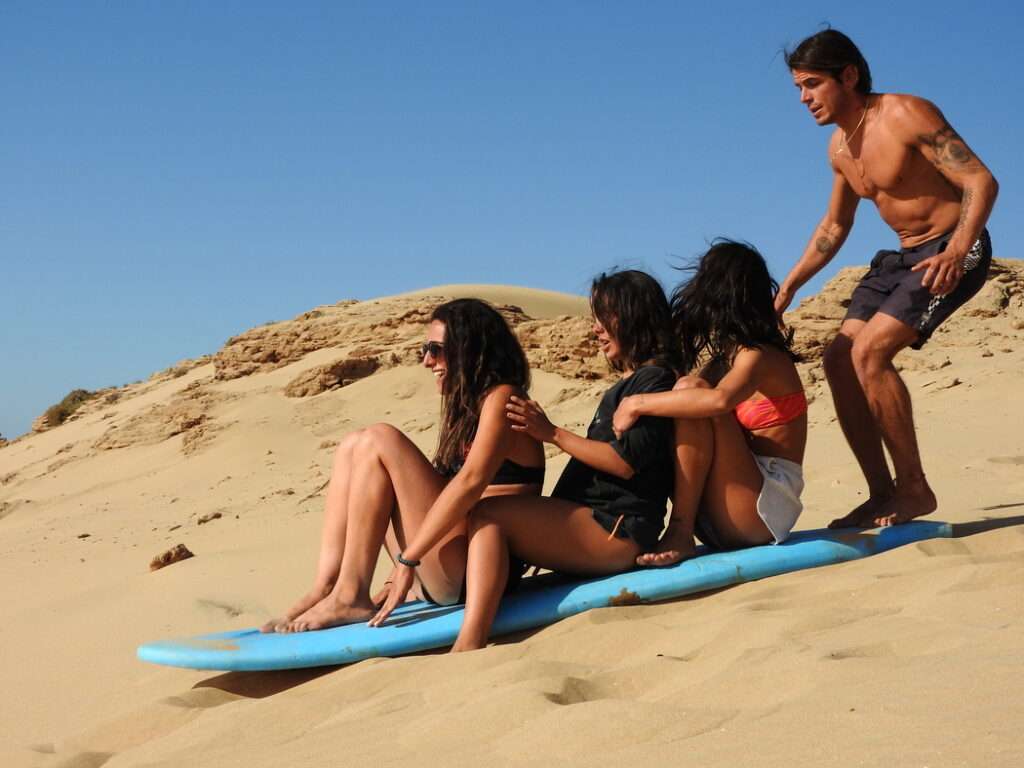
Surfing is only part of the Moroccan adventure. Many surf camps organize or recommend:
- Visits to Souks and Artisan Markets: Discover handmade crafts and local treasures.
- Cooking Classes: Learn to make tagines and other Moroccan delicacies.
- Sandboarding and Camel Rides: Explore desert dunes just inland.
- Hammams: Experience traditional Moroccan steam baths for deep relaxation.
- Music Nights: Enjoy live gnawa or Berber music under the stars.
These cultural elements are what truly set the Moroccan surf scene apart from any other surf destination in the world.
SAFETY TIPS WHILE SURFING IN MOROCCO
Surfing in Morocco is generally safe, but these tips will help you stay secure:
- Know the Conditions: Ask your instructors about tides, rips, and reef breaks.
- Respect Local Etiquette: Share the waves and be courteous in the lineup.
- Stay Hydrated and Protected: The sun can be strong; use reef-safe sunscreen and drink plenty of water.
- Know Emergency Contacts: Camps should provide access to local medical services if needed.
SUSTAINABILITY IN SURF CAMPS
Many Moroccan surf camps are leading the way in eco-conscious travel. Here’s how they’re making a difference:
- Eco-Friendly Lodging: Using solar energy, water-saving systems, and plastic-free products.
- Local Sourcing: Supporting nearby farmers, artisans, and service providers.
- Community Involvement: Offering surf lessons for local youth or hosting clean-up initiatives.
- Education: Teaching guests about environmental stewardship and responsible travel.
FREQUENTLY ASKED QUESTIONS
How Long is a Typical Surf Camp in Morocco?
Most surf camps run from one to two weeks, though longer stays are common. A 7- or 14-day package is standard, but many camps offer flexible options.
What is the Average Cost of a Surf Camp in Morocco?
Prices typically range from €400 to €1,200 per week, depending on accommodation type, season, and included amenities.
What’s the Best Way to Get to Morocco for a Surf Trip?
From Europe, direct flights to Agadir, Marrakech, or Casablanca are common. Agadir is closest to major surf towns like Taghazout and Tamraght.
Do I Need a Visa to Visit Morocco?
Citizens from many countries can enter visa-free for up to 90 days. Always check with your local Moroccan consulate for current requirements.
How Many People Can Join a Surf Camp Session?
Group sizes vary. Some offer small-group sessions of 6–8, while others host larger groups of 15–35. It depends on the camp’s size and philosophy.
The Moroccan surf scene didn’t build itself, it was shaped by the camps, the coaches and the communities that chose to invest in it. If you want to be part of it, Original Surf Morocco is based in Tamraght, right at the heart of where it all started.
CONCLUSION
Surf camps in Morocco offer a unique and transformative travel experience.
With its consistent waves, warm hospitality, growing surf scene, and rich cultural tapestry, Morocco is redefining what it means to take a surf trip.
Whether you’re chasing your first wave or looking for your next challenge, a surf camp in Morocco promises adventure, connection, and unforgettable memories.