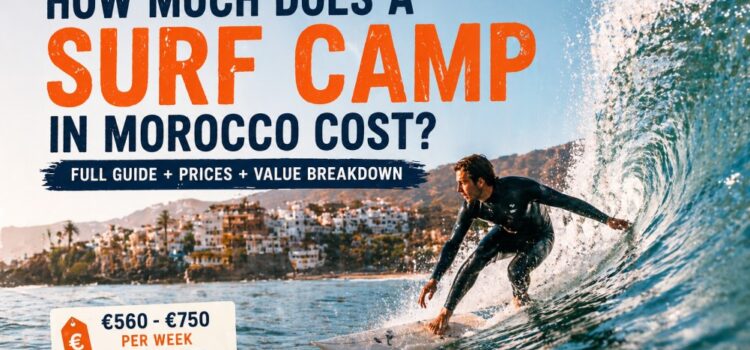
How Much Does a Surf Camp in Morocco Really Cost? (2026 Price Guide)
Introduction
How much does a surf camp in Morocco cost? is one of the most common questions people ask when planning a surf trip to Morocco.
A surf camp in Morocco is more than just a place to sleep; it’s an immersive experience where waves, culture, and community come together. From the moment you step onto the sand, you feel a sense of adventure and freedom that goes beyond surfing itself.
Morocco offers a unique blend of affordable surf holidays, reliable waves, and warm hospitality, making it a top destination for surfers of all levels. Whether you’re a first-time surfer learning to ride your first wave or an intermediate looking to refine your skills, the experience is designed to be smooth, enjoyable, and unforgettable.
With transparent pricing, all-inclusive packages, and access to some of the Atlantic’s best breaks, understanding how much a surf camp in Morocco costs helps you plan your trip with confidence and avoid hidden surprises.
1. How Much Does a Surf Camp in Morocco Cost? Understanding the Basics
1-1 What You Get in a Typical Surf Camp Morocco Price
When people ask how much a surf camp in Morocco costs, they are usually surprised by how much is included in one package.
A standard surf camp Morocco price usually includes:
- Accommodation (shared or private rooms)
- Daily surf lessons or guiding
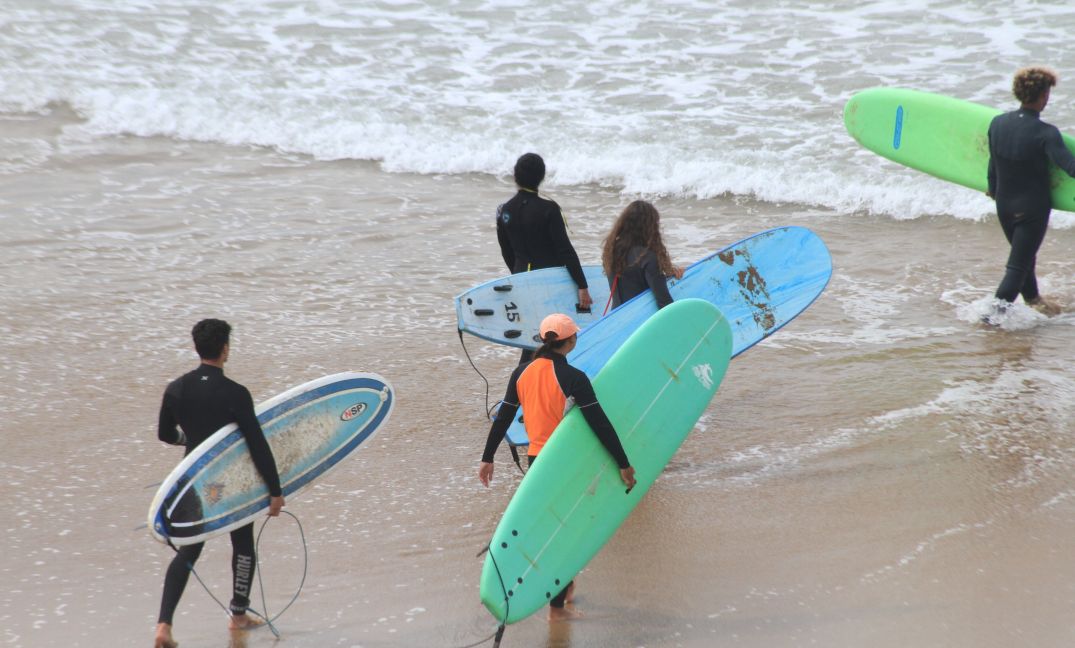
- Surf equipment (board + wetsuit+ Leach)
- Transportation to the best surf spots
- Breakfast, lunch, and dinner
- Airport transfers (often included for weekly stays)
This is what makes Morocco one of the best-value surf destinations in the world, everything is bundled into one clear price.
👉 See Surf Camp Packages & Prices
1-2 How Much Does a Surf Camp in Morocco Cost for Different Budgets?
The answer to how much does a surf camp in Morocco cost depends on your travel style and comfort level.
- Budget option (shared rooms): started from €400 /week
- Mid-range option (twin/triple rooms): €500 – €650 / week
- Private comfort option: €700 – €900 / week
Even at the higher end, the surf camp Morocco price remains far cheaper than similar surf destinations in Europe or Bali.
2. Surf Camp Morocco Price Breakdown: Lessons & Equipment
2-1 How Much Does Surf Coaching Cost in Morocco?
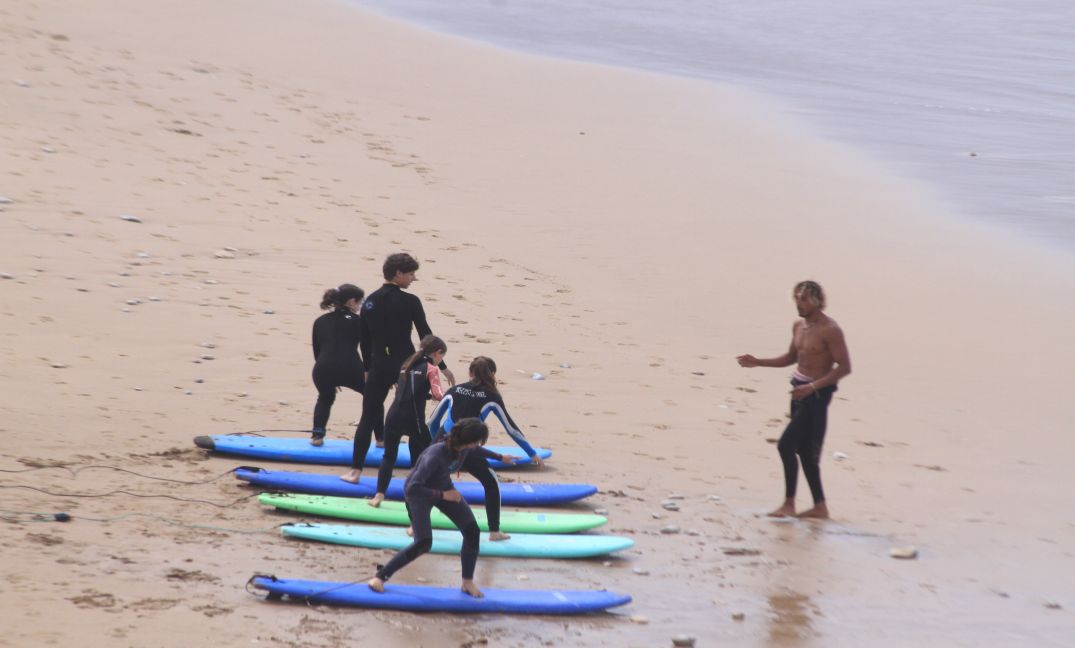
When breaking down the cost of a surf camp in Morocco, surf coaching is one of the biggest value factors, and one of the main reasons Morocco offers such strong overall value.
In Morocco, surf coaching is usually included in the surf camp price, but if you separate it, the real value becomes clear:
- Morocco (within surf camp): Included in package
- Morocco (standalone lessons): €30 – €50 per session
This means that over a full week, coaching alone would normally cost around €200 – €300, yet in most surf camps, it’s already included at no extra cost.
What you get in Morocco is not just a simple lesson, but a complete learning system:
- Certified and experienced surf instructors
- Daily transport to the best surf spots
- Structured progression for beginners and intermediates
- In-water coaching and safety guidance
Everything is designed to help you improve faster while enjoying a stress-free experience.
A – How Morocco Compares to Other Surf Destinations
In other popular surf destinations, coaching is often not included and charged separately:
- Portugal: €40 – €70 per lesson
- Bali: €40 – €60 per lesson
- Costa Rica: €50 – €90 per lesson
Over a week, this adds up to €200 – €400 extra, on top of accommodation, food, and transport.
B – Why Morocco Offers Better Value
In Morocco, coaching is bundled into one clear price, which means:
- No daily booking stress
- No hidden costs
- Consistent coaching every day
- Better progression over a shorter time
That’s why when people ask how much a surf camp in Morocco costs, the real advantage isn’t just the price — it’s how much more you get for it.
👉 Reserve Your Lessons
2-2 Equipment Costs in Surf Camps in Morocco
Another key part of understanding how much does a surf camp in Morocco cost is equipment.
Most camps include:
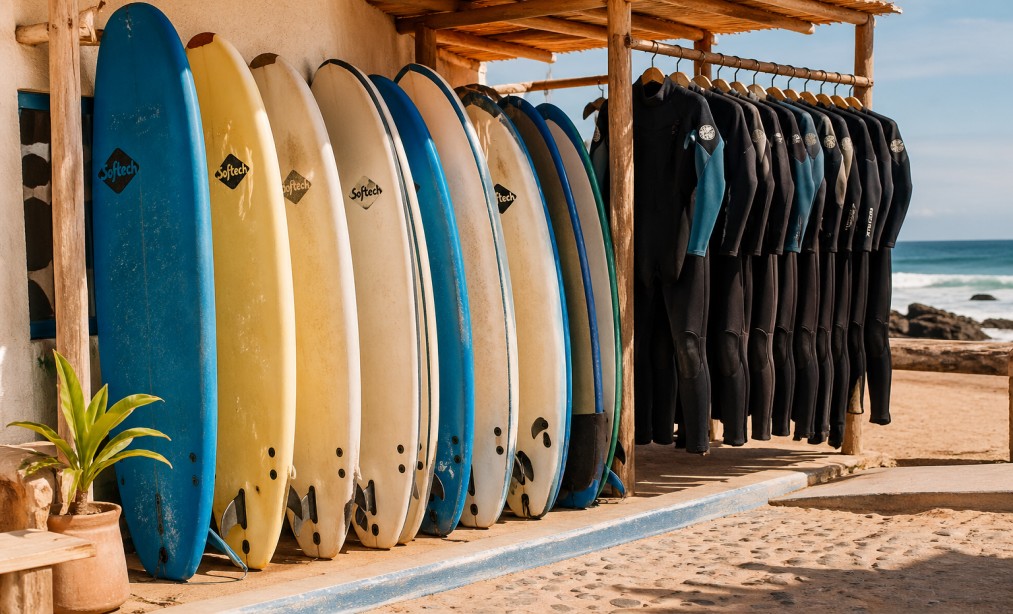
- Soft-top beginner boards
- Performance boards for progression
- Wetsuits for all seasons
Renting outside a camp usually costs extra, which is why all-inclusive surf camps are better value overall
3. How Much Does a Surf Camp in Morocco Cost Compared to Other Destinations?
3-1 Why Surf Camp Morocco Price Is So Affordable
One reason people ask how much does a surf camp in Morocco cost is because they expect it to be more expensive.
But Morocco is cheaper because:
- Low local living costs
- Short travel distances from Europe
- Strong surf tourism infrastructure
This keeps surf camp Morocco price extremely competitive.

3-2 Morocco vs Other Surf Destinations
When comparing how much does a surf camp in Morocco cost vs other destinations:
- Morocco: €400 – €900 / week
- Portugal: €700 – €1,200 / week
- Bali: €900 – €1,500 / week
- Costa Rica: €1,200+ / week
Morocco clearly offers the best value for money.
4. Factors That Affect Surf Camp Morocco Price
4-1 Seasonality and How It Changes the Cost
If you are asking how much does a surf camp in Morocco cost, season is a major factor.
- Low season (June–September): cheaper prices, smaller waves
- High season (Oct–March): higher prices 400€ to 900€, best waves
- Shoulder season (April–May): best balance of price and conditions
4-2 Accommodation Type and Surf Camp Morocco Price
Room choice also affects how much does a surf camp in Morocco cost:
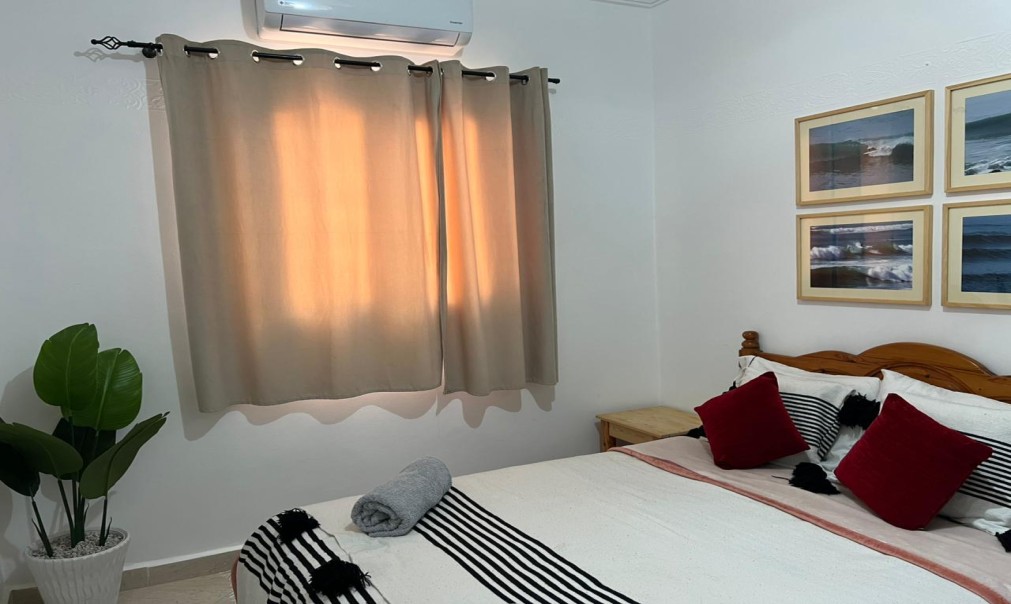
- Shared dorm = lowest cost around 20€
- Twin/triple = mid-range 25€ to 80€
- Private room = highest price 40€ to 100€
Most solo travellers choose shared rooms to reduce surf camp Morocco price and meet other surfers.
5. What Is Included in the Surf Camp Morocco Price Experience?
5-1 Full Experience Beyond Just Surfing
When evaluating how much does a surf camp in Morocco cost, it’s important to look beyond the price and understand what is truly included in the experience.
A surf camp is not just about surfing sessions, it’s a complete lifestyle package designed to make your trip smooth, social, and unforgettable.
Your surf camp Morocco price typically includes:
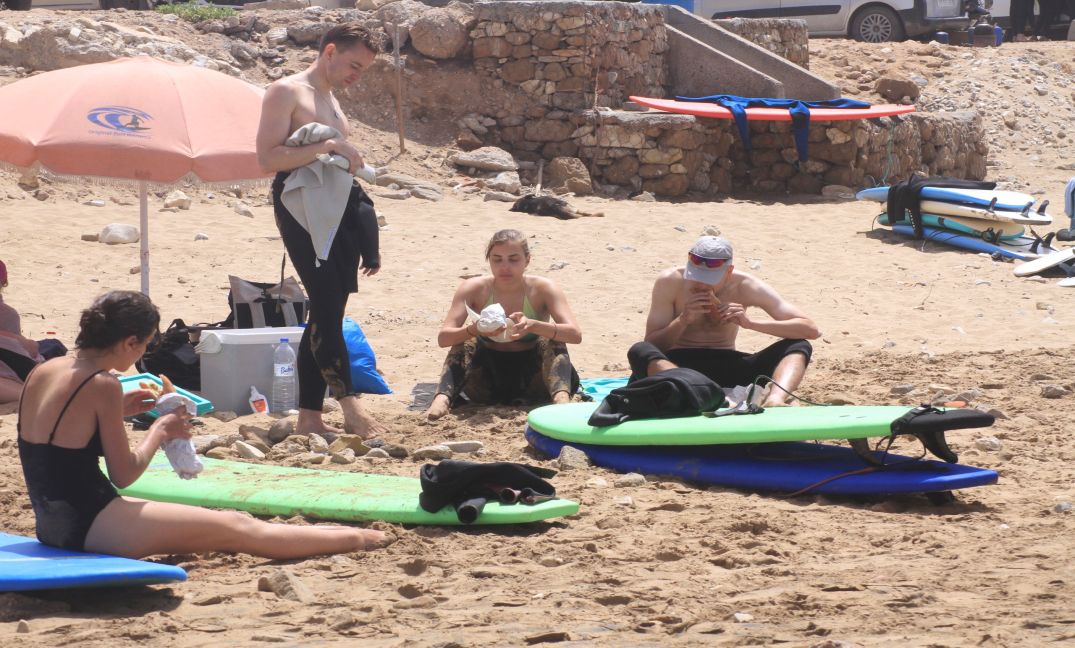
- Daily fresh meals (breakfast, beach lunch, and dinner)
- Professional surf coaching adapted to your level
- Transport to the best surf spots each day
- Full surf equipment (board, wetsuit, leash)
- Airport transfers and local logistics
- A shared community experience with other surfers
But beyond the practical inclusions, there is something more valuable that cannot be measured in numbers.
You wake up to ocean views, share breakfasts with people from around the world, and spend your days chasing waves under the Moroccan sun. Evenings are often filled with sunset views, shared dinners, and relaxed moments on the terrace.
This is what makes the difference.
Instead of planning every detail yourself, everything is taken care of, allowing you to focus entirely on surfing, improving, and enjoying the moment.
In this way, understanding how much does a surf camp in Morocco cost becomes less about the price itself and more about the overall value you receive.
Because in the end, the surf camp Morocco price is not just paying for services, it’s investing in an experience, a lifestyle, and memories that stay with you long after your trip ends.

5-2 Why It Feels Like Better Value Than Independent Travel
Many travellers discover that surf camp in Morocco is actually cheaper than doing it alone.
Why?
- Equipment rental costs add up
- Food expenses daily
- Transport to surf spots
- Lack of local knowledge
In the end, surf camps often save money while offering a better experience.
6. Is a Surf Camp in Morocco Worth the Price?
6-1 Value vs Cost: What You Really Pay For
When people ask how much does a surf camp in Morocco cost, the real question is not just about price, it’s about value and what is actually included in your experience.
You are not just paying for accommodation, you are investing in a complete surf experience that removes stress and helps you progress faster in the water.
Your surf camp price typically covers much more than you would expect if you were travelling independently. Instead of managing everything yourself, you are paying for:
- Progress in surfing with structured coaching sessions
- Safety in the water with experienced local instructors
- Full surf equipment (board, wetsuit, leash, transport to spots)
- Daily meals (breakfast, packed lunch, and dinner)
- Community experience with like-minded travellers
- Stress-free planning with airport transfers and daily logistics handled
- Local knowledge of the best surf spots and conditions
- Time efficiency, no need to organise transport, rentals, or surf forecasts
When you add everything together, the surf camp becomes not just a place to stay, but a fully organised surf lifestyle experience where everything is taken care of for you.
6-2 Why Most Surfers Return Again and Again

Even after understanding how much a surf camp in Morocco costs and experiencing it for the first time, many surfers find themselves coming back year after year.
The combination of consistent Atlantic waves, a welcoming surf community, and the relaxed Moroccan lifestyle creates an experience that is hard to replace. Every trip feels familiar yet new at the same time, with different conditions, new people, and fresh memories forming each visit.
For many travellers, it’s not just a one-time surf holiday, it becomes a place they return to whenever they want to reconnect with the ocean, improve their surfing, or simply enjoy the unique atmosphere that Morocco offers.
The experience stays with you long after you leave, which is why so many surfers don’t just visit Morocco once, they return again and again.
Conclusion
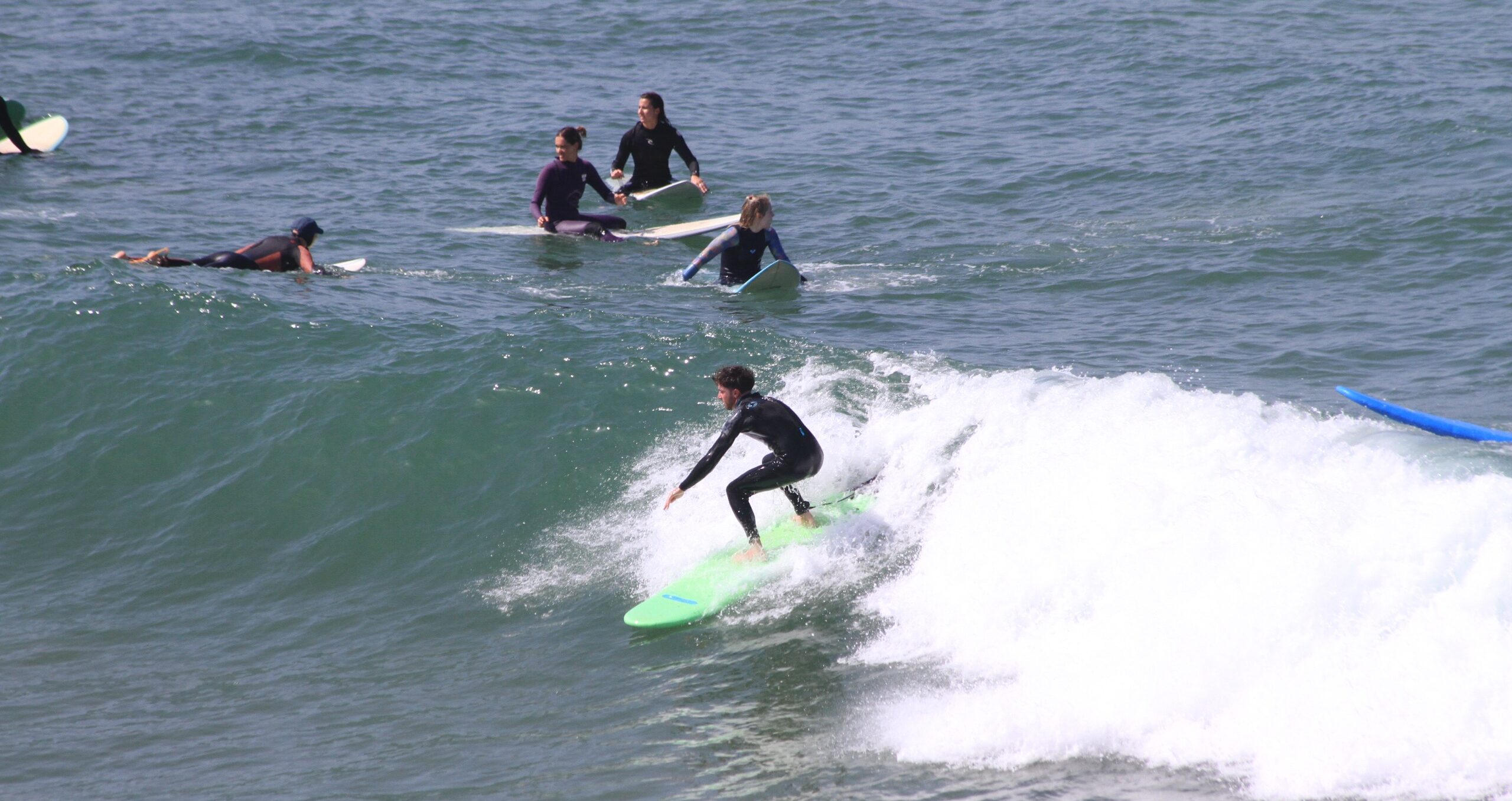
So, how much does a surf camp in Morocco cost?
On average, a surf camp in Morocco costs between €560 and €750 per week, depending on comfort level, season, and package type.
But more importantly, a surf camp in Morocco is not just about price, it’s about value, experience, and connection.
From sunrise surf sessions to shared dinners and cultural immersion, every euro becomes part of a much bigger journey. The memories you create, the people you meet, and the progress you make in the water are what truly define the experience.
In the end, it’s not just a holiday, it’s a full surf lifestyle experience that stays with you long after you leave.
♥ Book your surf camp Morocco experience today and discover it for yourself.
FAQ: How Much Does a Surf Camp in Morocco Cost?
How much does a surf camp in Morocco cost for one week?
On average, a surf camp in Morocco costs between €450 and €750 per week per person. This usually includes accommodation, meals, daily surf lessons or guiding, equipment, and sometimes airport transfers.
What is included in the price of a surf camp in Morocco?
Most surf camp packages include:
- Accommodation (shared or private rooms)
- Daily surf lessons or guided sessions
- Surf equipment (board and wetsuit)
- Breakfast, lunch, and dinner
- Transport to surf spots
Some camps also include extras like yoga sessions or airport transfers.
Is a surf camp in Morocco worth the price?
Yes, when you consider everything included, a surf camp in Morocco offers excellent value. Booking everything separately, accommodation, food, equipment, and lessons — often ends up costing the same or more, without the convenience and community experience.
What is the cheapest time to book a surf camp in Morocco?
The cheapest time is during the low season (June to September), when prices drop by around 15–25%. Waves are smaller and ideal for beginners during this period.
Can I go to a surf camp in Morocco on a budget?
Yes, Morocco is one of the most budget-friendly surf destinations. Choosing shared rooms, traveling in the low season, and booking directly with surf camps can significantly reduce costs.
Do surf camps in Morocco include food?
Most surf camps include three meals per day, breakfast, a packed lunch for the beach, and a home-cooked Moroccan dinner. Always check before booking, as some budget options may charge extra.
Are flights included in surf camp Morocco prices?
No, flights are usually not included. However, flights from Europe to Morocco are often affordable, especially if booked early or during off-peak seasons.
How much spending money do I need during a surf camp in Morocco?
You should budget around €50 to €100 per week for personal expenses such as drinks, snacks, tips, or optional excursions.
Is it cheaper to book a surf camp directly?
Yes, booking directly with the surf camp is usually cheaper. Third-party platforms often add commission fees, while direct bookings may include better deals or added flexibility.
Can beginners join a surf camp in Morocco?
Absolutely. Most surf camps in Morocco are beginner-friendly and offer structured lessons with experienced instructors, making it a perfect place to start learning how to surf.
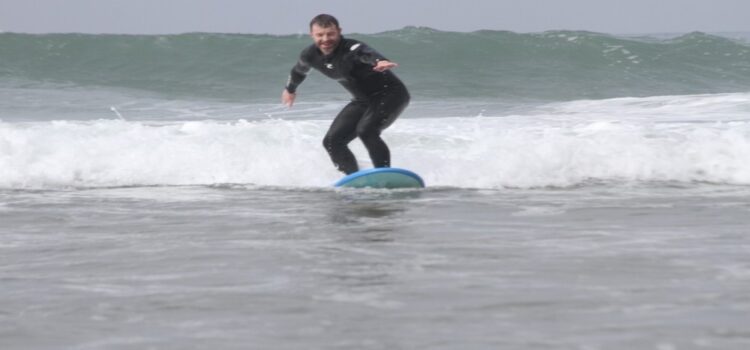
Surfing in Tamraght During Ramadan: Fewer Crowds, Great Waves
Surfing in Tamraght During Ramadan: Everything You Need to Know
Surfing in Tamraght during Ramadan feels different, with quieter mornings, glowing sunsets, and a slower rhythm that transforms the entire Taghazout area. But what does that actually mean for your surf trip?
If you’re planning a surf trip to Morocco and your travel dates fall during Ramadan, you might be wondering:
-
Is it a good time to surf?
-
Are surf camps open?
-
Will restaurants and shops be closed?
-
What is the atmosphere like in Tamraght and Taghazout?
The short answer?
Yes — you can absolutely surf during Ramadan.
And in many ways, it’s one of the most unique and peaceful times to experience the Taghazout coastline.
In this guide, we’ll explain everything you need to know about surfing in the Tamraght and Taghazout area during Ramadan, from wave conditions to cultural etiquette, daily rhythm, and why many surfers actually love this time of year.
1- What Is Ramadan, and How is Surfing in Tamraght During Ramadan?
1-1 What is Ramadan
Ramadan is the holy month of fasting observed by Muslims around the world. In Morocco, daily life shifts slightly during this month:
-
Muslims fast from sunrise to sunset.
-
Work hours are often reduced.
-
The rhythm of the day changes.
-
Evenings become lively and social after sunset (iftar).
For visitors, this doesn’t mean tourism stops. Surf camps, guesthouses, and many restaurants in the Taghazout area continue operating — especially in surf towns like Tamraght, Taghazout, and Agadir.
It simply means the energy shifts — and in many beautiful ways.
1-2 Surfing in Tamraght During Ramadan
Here’s the best part:
Ramadan often falls during prime surf season in Morocco.
Depending on the year, Ramadan typically lands between late winter and early spring — which means:
-
Consistent Atlantic swells
-
Offshore or light winds in the mornings
-
Clean point breaks
-
Comfortable temperatures
World-famous spots like:
-
Anchor Point
-
Hash Point
-
Banana Point
-
Devil’s Rock
are often firing during this period.
For beginners, beach breaks around Tamraght remain soft and playful. For intermediates and advanced surfers, the points can deliver long right-handers on good swell days.
From a pure surf perspective, Ramadan does not negatively affect wave quality.
Planning your surf trip? Check availability here
2- Are Surf Camps Open During Ramadan?
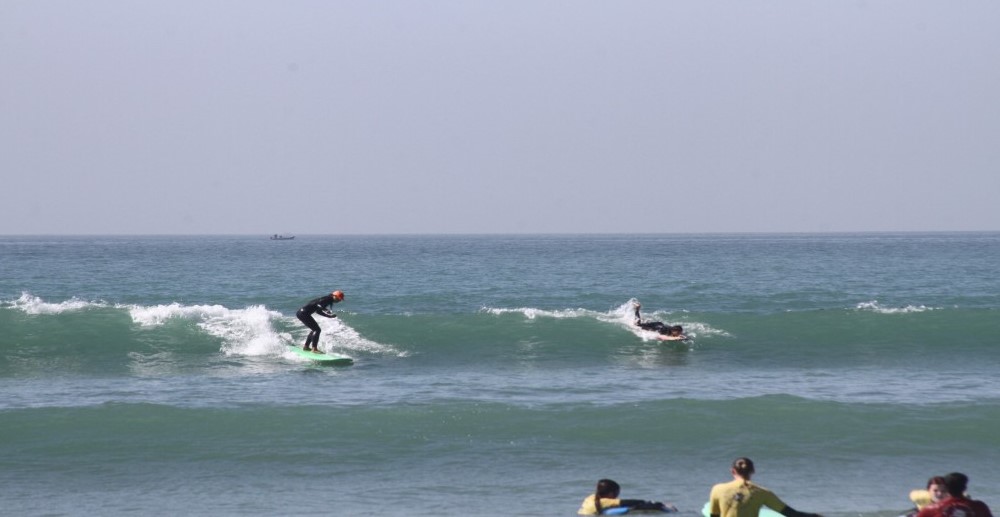
Yes, surf camps in the Taghazout area stay open.
At Original Surf Morocco in Tamraght, we continue:
-
Daily surf lessons
-
Surf guiding
-
Equipment rental
-
Accommodation
-
Full meal packages
Many guests don’t even realize it’s Ramadan at first — especially if they’re focused on surfing all day.
However, we adapt respectfully:
-
Slightly adjusted meal timings
-
More calm daytime rhythm
-
Special evening atmosphere
For our guests, this can actually enhance the experience, because they get both surfing and cultural immersion.
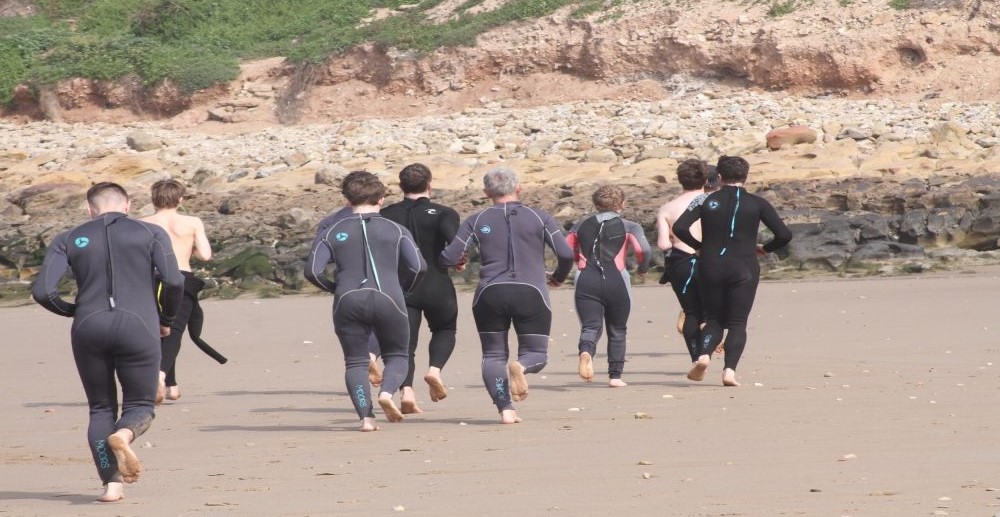
3- Eid al-Fitr: When the Celebration Begins
The Food: A Celebration of Moroccan Flavors
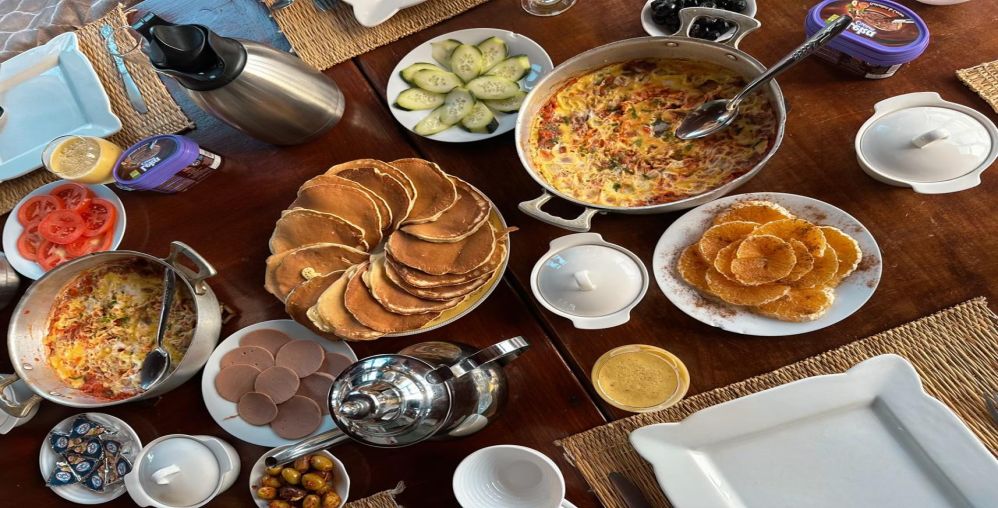
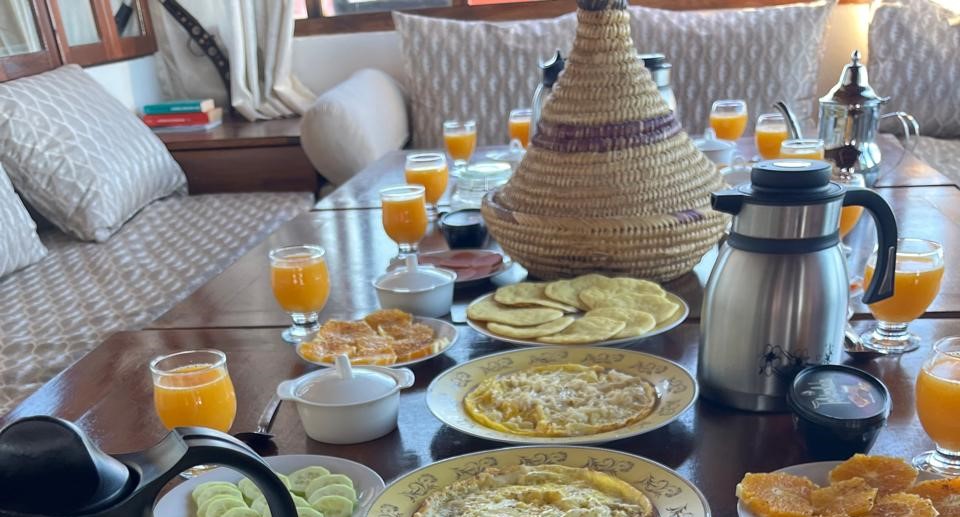
Food is at the heart of every Moroccan celebration, and Eid is no exception. During the holiday, families prepare a wide variety of traditional dishes and sweets to share with guests and relatives.
Some of the most popular treats include:
Chebakia is a honey-soaked sesame pastry that is often prepared during Ramadan and enjoyed during Eid.
Kaab el Ghazal, delicate almond-filled pastries shaped like crescents.
Baghrir, Moroccan “thousand-hole” pancakes served with butter and honey.
These delicious sweets are typically served with freshly brewed Moroccan mint tea, creating a warm and welcoming atmosphere.
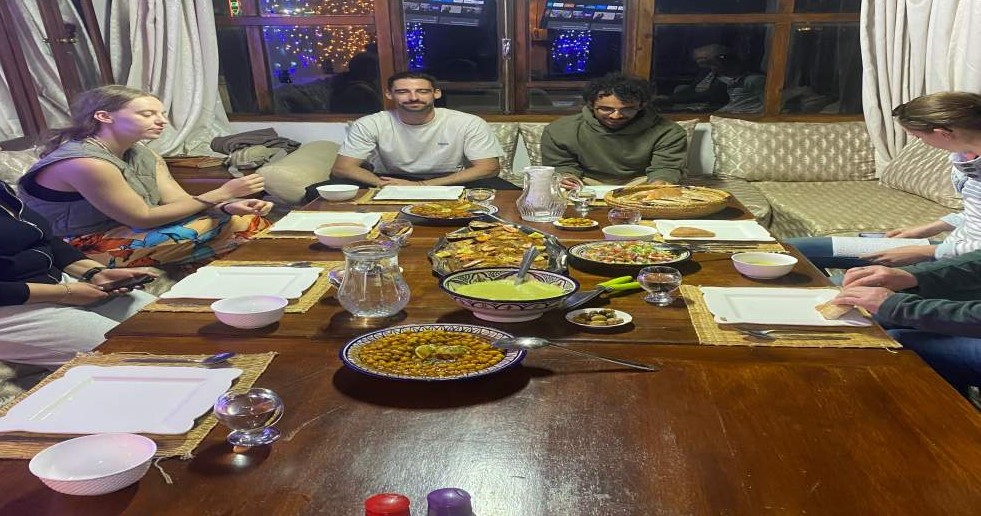
For travelers surfing in Tamraght during Ramadan, sharing these meals becomes a memorable part of the experience. Sitting around a table with other guests, tasting homemade Moroccan pastries, and enjoying conversations about the day’s surf session creates a powerful sense of connection.
Food in Morocco is not just nourishment, it’s a way of bringing people together.
4- What Is the Daily Rhythm Like
During Ramadan, the energy of the day shifts.
4-1 Morning: Calm & Focused
Mornings are often very peaceful. Many locals prefer surfing early before the fasting day fully settles in. Winds are often cleaner at this time as well.
Surf sessions feel:
-
Quiet
-
Less rushed
-
More connected
-
Focused
This is often the best time for surf coaching and technical progression.
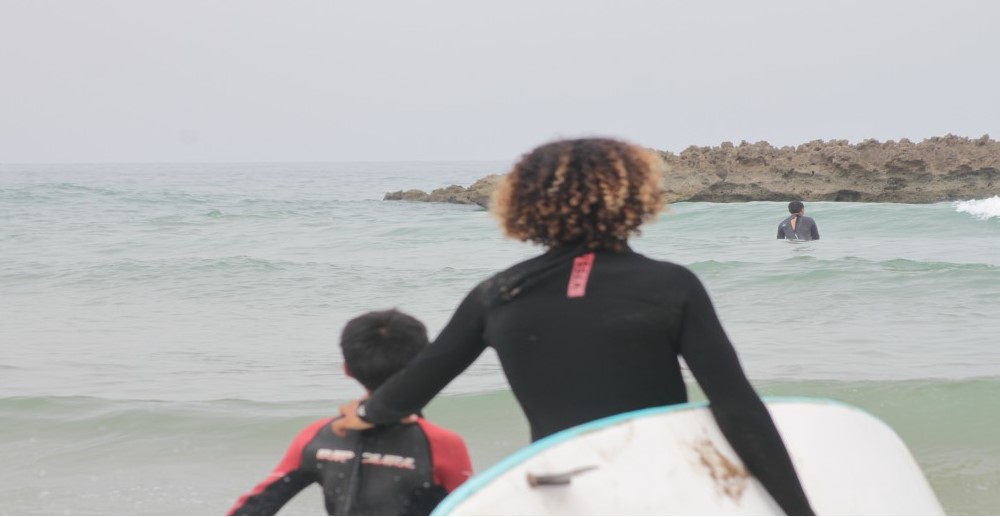
4-2 Afternoon: Slower Pace
Midday tends to be more relaxed. Some small local shops may close temporarily before sunset. Bigger supermarkets and tourism businesses remain open.
For surfers, this is perfect for:
-
Beach relaxation
-
Theory lessons
-
Stretching and mobility
-
Surf video analysis
-
A nap before sunset
4-3 Evening: Lively & Beautiful
The real magic of Ramadan happens at sunset.
When the call to prayer signals the end of the fast, families gather for iftar — the meal that breaks the fast.
The atmosphere becomes:
-
Warm
-
Social
-
Joyful
-
Full of gratitude
This is a beautiful opportunity to introduce our guests to Moroccan traditions:
-
Harira soup
-
Dates and milk
-
Fresh bread
-
Moroccan tea
-
Traditional sweets
For many travellers, this becomes one of their most memorable cultural experience
5- Are Restaurants and Cafés Open?
In the Taghazout and Tamraght area, most tourist-oriented restaurants remain open during the day, especially those serving international guests.
However:
-
Some local cafés may close until sunset.
-
Alcohol is less visible during Ramadan.
-
Nightlife is quieter.
For surf travelers seeking connection, calm, and an authentic experience, this is actually a positive shift.
The vibe becomes less party-focused and more community-oriented.
6- Is It Respectful to Eat or Drink During the Day?
Yes, as a tourist, you are allowed to eat and drink during the day.
However, being mindful is appreciated:
-
Avoid eating directly in front of someone who is fasting.
-
Dress modestly in non-beach settings.
-
Be aware of the cultural environment.
On the beach, things feel normal, especially in surf towns.
Morocco is very used to welcoming international travellers, and the Taghazout area is particularly relaxed.
7- Is It Less Crowded?
This is one of the biggest advantages during Ramadan:
-
Fewer domestic tourists travel.
-
Some local surfers reduce long sessions.
-
The general atmosphere is quieter.
For European travelers, this can mean:
-
More space in the water
-
Easier parking near spots
-
Less lineup tension
-
A more peaceful stay

8- Why Surfing During Ramadan Feels Different (In a Good Way)
There’s something unique about surfing in a place that’s moving at a slower, more intentional rhythm.
You may notice:
-
More quiet in the mornings
-
Deeper conversations in the evenings
-
A stronger sense of community
-
Beautiful sunset gatherings
-
Tea after surf feeling extra meaningful
For guests at a surf camp, this can create:
-
A more connected group vibe
-
More reflection
-
Less distraction
-
A balanced surf & cultural experience
Especially for your target audience (21–35-year-old adventurous travelers), this blend of surf, culture, and authenticity is powerful.
9- Weather & Surf Conditions During Ramadan
Since Ramadan moves each year (based on the lunar calendar), conditions vary slightly, but it often overlaps with:
-
Late winter swells
-
Early spring sunshine
-
Moderate air temperatures (20–25°C)
-
Water temps around 17–19°C
You’ll typically need:
-
A 3/2mm wetsuit
-
Possibly booties on reef days
It’s still one of the most consistent surf periods in Morocco.
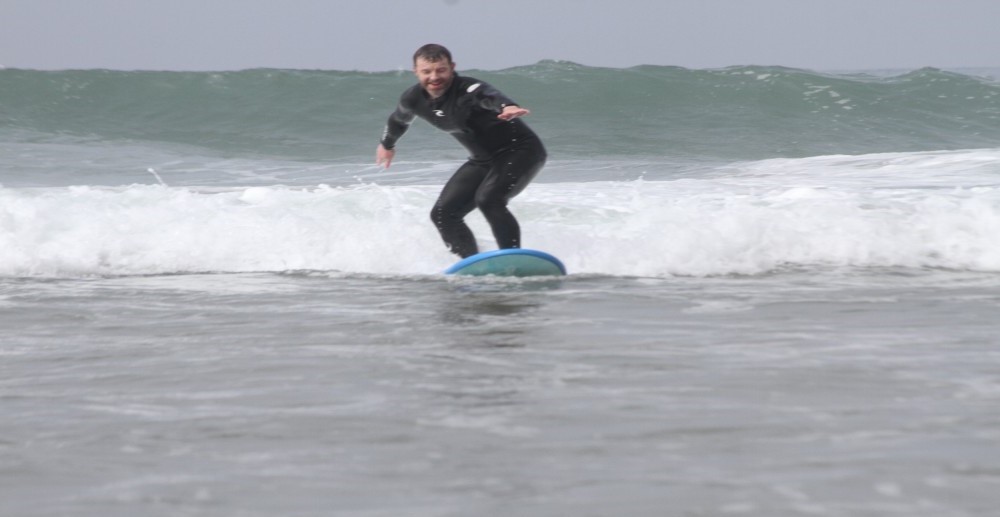
10- Who Should Consider Surfing in Tamraght During Ramadan?
Ramadan season is perfect for:
✔ Beginners who want less crowded surf schools
✔ Intermediates wanting cleaner point sessions
✔ Remote workers seeking calm vibes
✔ Cultural travelers
✔ People who enjoy meaningful experiences over party tourism
It may not be ideal for:
✘ Travelers seeking nightlife and alcohol-focused holidays
✘ Those wanting high-energy party hostels
11- Is It a Good Time to Book a Surf Camp?
Yes —
-
A peaceful surf retreat
-
A mindful surf experience
-
A cultural immersion surf holiday
-
A slower, more intentional Morocco
12- Final Thoughts: Should You Surf in Tamraght During Ramadan?
Absolutely, surfing in Tamraght and the Taghazout area during Ramadan is:
-
Calm
-
Culturally rich
-
Less crowded
-
Beautiful at sunset
-
Still consistent for waves
Instead of avoiding this time, many surfers end up realizing it becomes one of the most special moments of their trip.
You don’t just catch waves, you experience Morocco differently.
And that’s something that stays with you long after you’ve left the Atlantic coastline.
Want this experience? Talk to us on WhatsApp
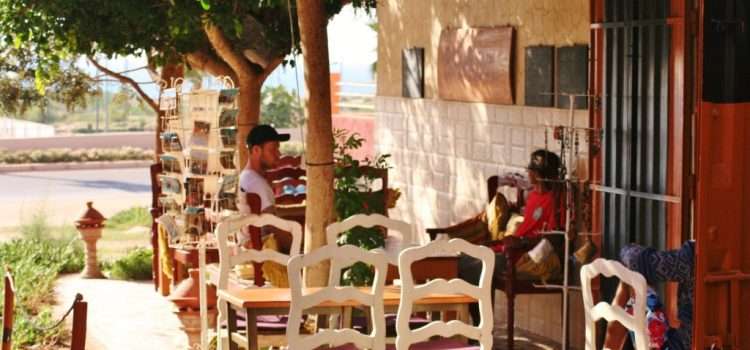
Visitor’s Guide to Tamraght
Nestled between bustling Aourir (Banana Village) and the tourist town of Taghazout. Tamraght, Morocco, is a quaint village with more chilled-out vibe than its better-known neighbors. While it may be harder to find buzzing nightlife, Tamraght appeals to travelers looking to experience the pace of local life: surfing all day and sleeping all night. This Tamraght guide covers everything you need to know before you visit, from food and surf spots to getting around and what to do on your days off.
With houses built up the hillside overlooking the sea, there are plenty of places to relax and refuel, check the surf, and watch the sun gracefully fall into the sea.
Two main streets make up the core of Tamraght, encased by two mosques which call to each other five times every day.
Small shops selling Moroccan flat bread and other essentials are dotted along the road, framed by houses with brightly painted doors and intricately decorated tile walls. This blog will detail everything you need to know as a visitor in this charming fisherman’s village turned international surf hotspot.
Every good Tamraght guide starts with the food, so let’s start there.
Food in Tamraght
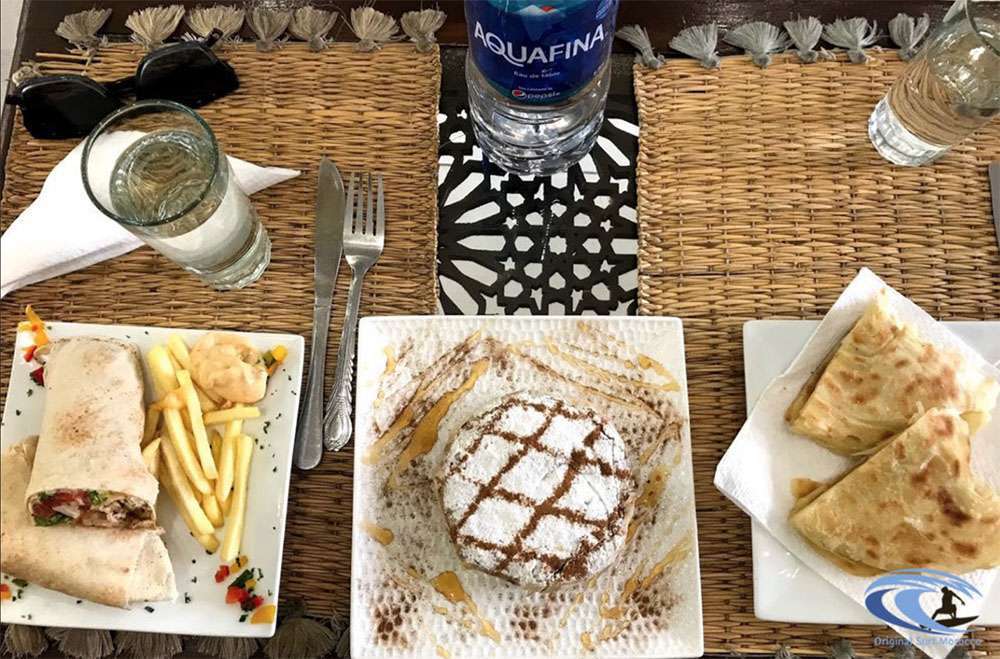
Moroccan food is in a league of its own. Colourful tajines, couscous dishes, pastillas, and several other North African delicacies are made fresh using local ingredients.
Moroccan cuisine is a synergy of traditional Berber (the native people of North Africa) with influence from Spain & France. Local restaurants, as well as our amazing in-house chefs Mustapha and Omar buy ingredients daily and prepare fresh and nutritious meals for hungry surfers.
All of the produce that is used in the area is grown in and around Aourir (which gets its nickname from the sprawling banana plantations behind the beach), and all the animal products are also locally sourced.
Taking meals at Original Surf Morocco (OSM) is always a good option, to ensure a healthy and balanced cuisine without having to lift a finger. Details on our meal packages can be found here.
Tamraght is known for its restaurants and bustling cafes, for those looking to eat away from camp. There are many restaurants catering to European travellers, some at local prices and some with European prices.
There are a few restaurants on the coastal road N1 that have become OSM favorites, such as Lina Surf, Mona Cafe, and of course Babakoul.
Eating at these places, visitors can expect low prices, healthy food, and great atmosphere.
Lina Surf and Mona are famous for their chicken tacos and pizzas respectively, while Babakoul is more of a cafe preparing local favourites like tajine, and banana pancakes doused with Amlou (peanut butter with Argan Oil).
Examples of restaurants catering solely to tourists in the village are Let’s Be Healing Food and Le Happy Belly. You can expect vegan and vegetarian options at restaurants like this, and prices that are more European than Moroccan. There are several restaurants close to the beach, specialising in fish and tajine dishes.
You can soak in the last bit of sunlight over Devils Rock while enjoying freshly caught fish at Resto Imouran or Chez Brahim just a fifteen minute walk from Original Surf Morocco.
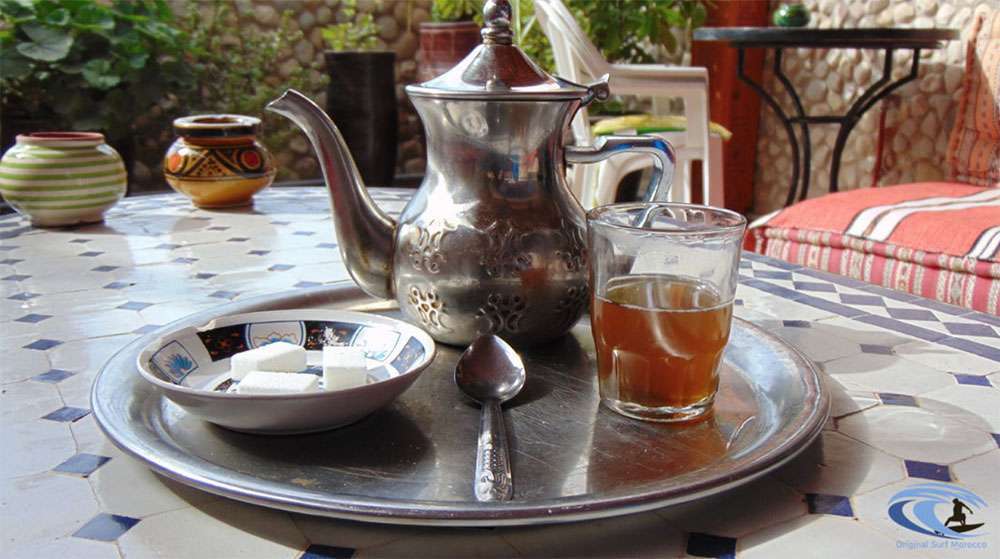
Morocco is known for its mint tea, but bean aficionados can take comfort in knowing that there are many cafes serving speciality coffee, as well as locally spiced coffee. Almost every restaurant or cafe you see would be happy to welcome you in for a caffeine fix, usually for no more than 1-2€.
No Tamraght guide would be complete without covering the waves that put this village on the map.
Surf in Tamraght

Tamraght boasts five breaks, all of which are a 20 minute walk from Original Surf Morocco. There are three beach breaks: from north to south they are La Plage 17 (KM north of Agadir), CroCro/Imouran and Devils Rock. These spots work best at high tide and are mainly sand bottom with a few rocks.
All three breaks feature left and right hand waves, so goofy footers can get some frontside action after a pumping backhand session at one of the famous right hand point breaks in the area. With consistent northwest swell hitting the Moroccan coast from November to May, the sandbanks shift at these beach breaks and some work better than others depending on the latest storm.
Beginner and intermediate surfers can always find a wave that suits them at these three spots; whether they’re pushed into the whitewash by our seasoned instructors to stand for the first time or back in the lineup hunting set waves. The beach breaks work in swell from one to four feet, with a slight offshore breeze or no wind. Heavy wind or swell makes these three beaches (like any other beachbreak) messy and blown out.
The fourth break is called Banana Point. As its name suggests, Banana Point is a right hand point break beyond a 10 metre rock cliff on the south side of picturesque Banana Beach. Banana Point has become a staff favorite over the years, because of its proximity to the camp and quality ride.
Waves break beyond the cliff and send intermediate and advanced surfers into Aourir Bay on a spilling, playful right with some punch to it. Banana Point is the ideal place for intermediate surfers to try surfing a point break for the first time, because the drop is not as steep as Anchor Point or Killers and a deep bottom means that surfers are safe even at low tide when the spot works best. Banana Point can hold large swell (4-10 feet), and has been most memorably enjoyed at first light of New Year’s Day 2019 when Poseidon delivered a proper five foot and glassy swell with slight offshore spray coming off the top of the waves – not a bad way to fight off a hangover!
The last break in Tamraght is called Spiders and is for expert or kamikaze surfers only. Spiders is a slab that only works in swell larger than 4 foot at low or mid-to-low tide. It is located between Banana Point and Devils Rock, and can produce a draining, barreling A-frame that will provide rippers & shredders with some shade from the Moroccan sun while getting shacked.
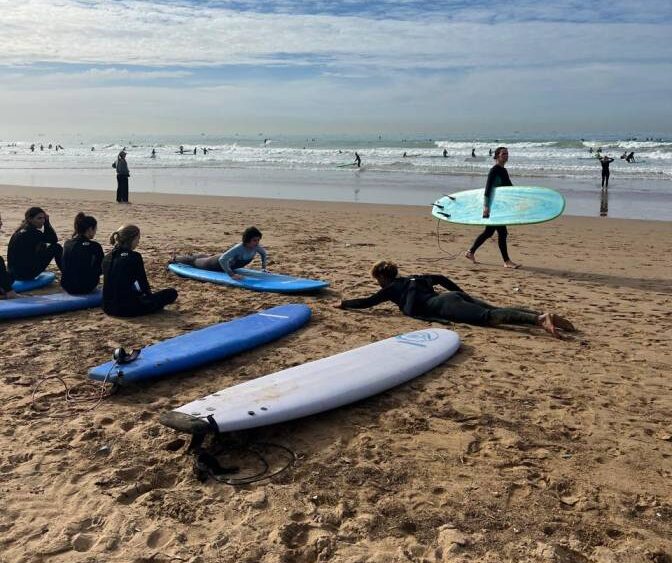
Mindfulness and surfing are incredibly important. Surfers must know about where they are surfing, and our instructors are glad to guide guests through the best spot for them as they improve in their surfing. Spots like Spiders are not for 95% of surfers, and that’s okay because there are four other spots within a stones throw. Tamraght is a great place to surf, whether you’re a rookie or a experienced surfer.
Your surf journey in Morocco starts here.
Getting around is easier than most first-time visitors expect, and this Tamraght guide wouldn’t be complete without covering it.
Accessibility To Tamraght
Getting around Tamraght, and the Moroccan surf coast in general is incredibly easy. There is a new six kilometre bike path from Devils Rock north to Taghazout along the beach that can be walked, biked or skated. The small size of Tamraght means that everything within the village including the beaches are walkable in a matter of minutes. The local bus system is efficient, with the #32 ALSA surf bus running from Agadir to Taghazout several times an hour for 5.5 Moroccan Dirham per ride (roughly .55 €).
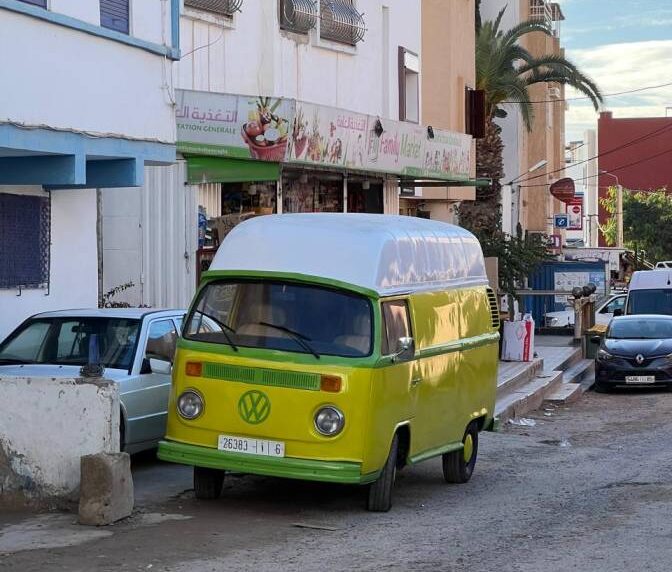
There are taxis that run along the coast and are also affordable – just lock in the price before getting in or make sure that there is a mileage metre running in order to avoid an unpleasant experience of negotiating or getting ripped off. Agadir International Airport and the central bus station are both accessible by taxi or bus, or by a competitively priced transfer pre-arranged with our driver to avoid any hassle.
Tamraght Guide: Local Essentials
Morocco is in North Africa. Islam is the state religion here. Arabic and Berber Amazigh are the official languages – both of which are widely spoken. These are all facts. Another fact is that Tamraght is incredibly safe, easy and laidback for foreigners. Most people speak French, English, or both and have welcomed surf tourism with open arms. The village has everything you need from an “essential” standpoint: a currency exchange, pharmacy, barber, food, shops, transportation, and Moroccan hospitality.
Rubbish is collected, and of course there is running water for sanitation purposes – though we recommend drinking bottled water because of high chlorine content in the tap water. There are small shops selling anything and everything, snacks, drinks, electronics, bus tickets, you name it – you can find it in Tamraght. There are no bars or bottle shops in Tamraght, for that you must go to Agadir. Everything is inexpensive by European standards in Tamraght, with a kilo of mandarins costing around .5€, 10L of bottled water for 2€, and lunch in a cafe for 5€.
The vibe around town is very laid back. Since Taghazout is the surf & yoga tourist epicenter, it is a bit more hectic with vendors and activity. Aourir and Agadir are much more local, which can be overwhelming for tourists. Tamraght is the perfect mix, which makes it a special place for locals and visitors alike.
Rounding out this Tamraght guide, here’s what to do on the days you’re not in the water.
Things To Do Other Than Surf
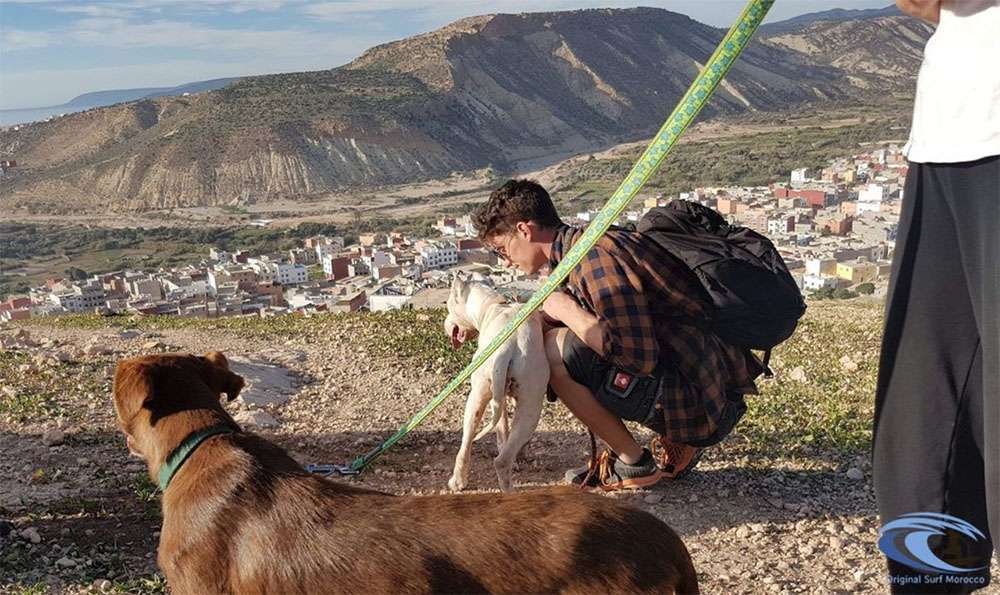
There is plenty for non-surfers or down days in the area. Agadir Province is a magical region, featuring natural beauties like Paradise Valley as well as cultural hotspots like the Wednesday Souk (market) in Aourir. Our guests have enjoyed hiking the mountains enclosing Tamraght, both with other humans and furry friends from the local shelter we support, Moroccan Animal Aid.
Day trips are easy to Agadir, Taghazout or Essaouira, either with OSM arranged transport or free tips from our local staff on the most efficient way to reach each. Cleaning rubbish off the beach is a great way to give back to the ocean and show your appreciation for how lucky you are to be able to inhabit the beach and planet – after you surf take three for the sea. Going to a local hammam or spa is another great way to rejuvenate yourself while on holiday with either a scrub or a massage. For thrill seekers, ATVs, jet-skis, motorbikes and more are all available for hire in Tamraght.
Tamraght, Morocco is a special town. As this Tamraght guide shows, there is something for everybody, and everything for somebody. Drop us a line if you want to know more about anything we mentioned, or Tamraght as a whole. We’re excited to host you in this gem on the Moroccan coast and show you all the highlights firsthand from Here
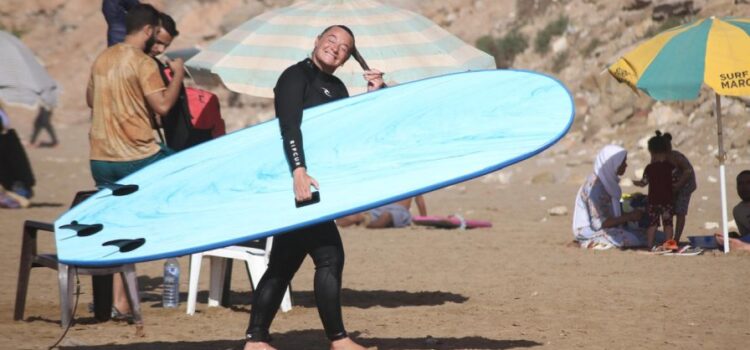
Surf Holiday in Morocco: Tamraght vs Taghazout Guide
Taghazout vs Tamraght, which one should you choose for your surf holiday in Morocco? Planning a trip and torn between the two villages? Wondering how much a full week of waves, sunshine, and good vibes will cost, or whether winter is really the magic season everyone talks about? You’re in the right place. Morocco’s southern coast has become a world-class surf destination, offering warm hospitality, year-round waves, and a unique blend of surf culture and Amazigh tradition. In this guide, we break down everything you need to know: choosing between Tamraght and Taghazout, understanding surf camp pricing, and why winter might just be the best time to paddle out. Whether you’re a beginner, intermediate, or chasing bigger swells, this complete Morocco surf holiday guide will help you plan the perfect trip — with insights straight from life here at Original Surf Morocco.
Both villages sit just a few minutes apart on the Agadir coastline, but they offer different vibes, and that’s what makes choosing between them fun.
Tamraght: Laid-back, local, and beginner-friendly
Tamraght is quieter, calmer, and more spread out. It’s where you go if you want surf-focused days, good food, and a peaceful place to unwind.
Why surfers choose Tamraght:
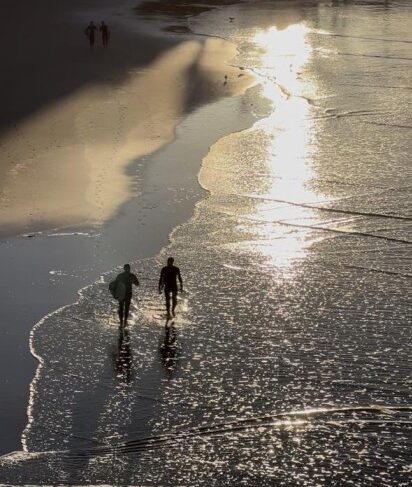
-
Easy access to breaks like Devil’s Rock, Banana Point, and Croco Beach
-
Waves suitable for complete beginners to confident intermediates
-
A village vibe, relaxed cafés, hammams, and fewer crowds
-
A perfect home base for surf camps like Original Surf Morocco, where you can wake up, surf, eat, repeat
If you want surf + yoga + community + calm, Tamraght is the spot. Want the full picture of the village itself? Check out our complete Tamraght guide.
⇒ Trade routine for rhythm, join us in Tamraght.
Taghazout: Lively, social, and iconic
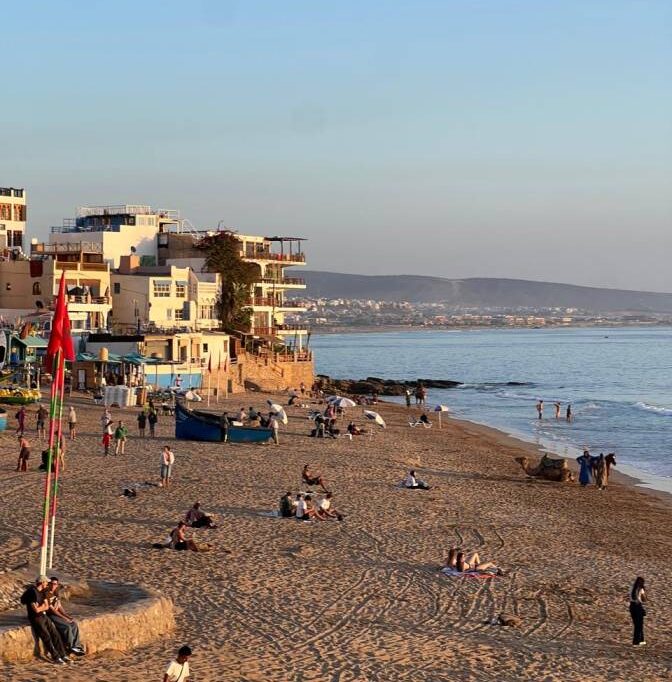
Taghazout is the energetic surf hub, busier, more touristic, full of hostels, rooftop restaurants, and surf shops.
Why surfers choose Taghazout:
-
Legendary advanced breaks like Anchor Point, Killers, and La Source
-
A more social scene, ideal if you want cafés, nightlife, and sunset rooftops
-
Great for experienced surfers looking to chase Morocco’s biggest waves
If you want surf + nightlife + a more energetic social atmosphere, Taghazout will feel like home.
Taghazout vs Tamraght: So Which Is Better?
If you want peace, beach vibes, and surf progression → Tamraght wins.
If you want energy, surf history, and a busy lineup → Taghazout wins.
The best part? They’re 5 minutes apart, and with Original Surf Morocco, you’ll surf both.
How Much Does a Surf Holiday in Morocco Cost?
Compared to Europe or the U.S., Morocco is incredibly affordable for a full surf experience.
Here’s what you can expect:
Surf Camp Packages (Most Popular Option)
At Original Surf Morocco, full-board surf & yoga packages range approximately €560- €700 per week, depending on season and room type.
This usually includes:
-
Accommodation
-
Breakfast, lunch at the beach & dinner
-
Daily surf lessons + coaching
-
Surf equipment
-
Transport to surf spots
-
Yoga sessions
-
Airport transfers (Agadir)
For the value you get, it’s one of the most budget-friendly surf destinations worldwide.
Independent Travel Costs
If you’re not joining a camp, expect:
-
Surfboard rental: €10–€15/day
-
Wetsuit rental: €5–€8/day
-
Surf lessons: €30–€40/day
-
Local meals: €3–€10
-
Guesthouse: €20–€40/night
But most travelers find surf camps more convenient and cost-effective — everything is done for you, and your days are focused on waves, not logistics.
Can You Surf in Morocco in Winter?
Absolutely — winter is the BEST time to surf in Morocco. Join us from here
From October to March, the Atlantic sends consistent long-period swells that light up every spot from Imsouane to Taghazout.
Why winter is the prime surf season:
-
Bigger, cleaner, more consistent waves
-
Warm weather (20–26°C) even in December and January
-
Cooler mornings but still surf-friendly
-
Perfect offshore conditions
-
World-class breaks come alive: Anchor Point, Boilers, Killer Point, Banana Point
With a 3/2 or 4/3 wetsuit, you’ll be perfectly comfortable.
For beginners, winter still offers gentle spots, our team at Original Surf Morocco chooses the best beach breaks so you’re always in safe, manageable conditions.
So… Is a Surf Holiday in Morocco Worth It?
If you’re dreaming of warm waves, fresh tagines, yoga at sunset, and the easiest surf progression of your life, yes.
Morocco is one of the most accessible, affordable, and beautiful surf destinations in the world.
And whether you’re torn on Taghazout vs Tamraght, confused about pricing, or wondering what season to book….Original Surf Morocco has you covered from airport pickup to your final wave.
Whichever village you end up choosing, the surf here is the real draw. Our surf camp in Morocco is based in Tamraght — right in the heart of the action, with the Atlantic on our doorstep and Taghazout just 2km up the road. Check what’s available during your travel window and book your week.
FAQ
1. Is Tamraght or Taghazout better for surfing?
Taghazout vs Tamraght, both villages are incredible surf destinations. Tamraght is quieter, beginner-friendly, and perfect for surf camps like Original Surf Morocco. Taghazout is livelier, more touristic, and ideal for advanced surfers chasing iconic breaks like Anchor Point. Since they’re 5 minutes apart, most surf camps visit both daily.
2. How much does a surf holiday in Morocco cost?
A full-board surf camp package typically costs €560–€700 per week, including accommodation, surf lessons, equipment, meals, and beach transfers. Independent travellers can expect daily costs for rentals, food, and accommodation but usually spend more overall than if they joined a surf camp.
3. Can you surf in Morocco in winter?
Yes, winter (October to March) is peak surf season in Morocco. The Atlantic swell brings consistent waves, warm sunshine, and perfect offshore conditions. With a 3/2 or 4/3 wetsuit, surfing is comfortable even in December and January.
4. Is Morocco good for beginner surfers?
Absolutely. Morocco has long sandy beach breaks, gentle winter days, and warm weather, ideal for learning. Camps like Original Surf Morocco choose the safest spots daily based on conditions.
5. Is Tamraght a good place for a surf camp stay?
Yes. Tamraght is peaceful, surf-focused, and perfectly located near Banana Point, Devil’s Rock, and Croco Beach. It’s the preferred base for many surf travelers who want relaxation, yoga, and great food after a day in the water.
6. Do surf camps include equipment and meals?
Most surf camps in the area, including Original Surf Morocco, offer all-inclusive packages with surf gear, coaching, breakfast, lunch on the beach, dinner, and yoga upgrades.
7. How warm is Morocco for surfing?
Winter daytime temperatures stay between 20–26°C, and the ocean remains mild. Spring and autumn offer even warmer conditions with smaller waves.
8. How long should a surf holiday be?
A 7-day surf holiday is ideal for beginners and intermediates. It gives enough time to progress, explore nearby towns, and enjoy a mix of surf, yoga, and Moroccan culture.
9. Is it easy to travel between Tamraght and Taghazout?
Yes, they’re just a 5–7 minute drive apart. Surf camps shuttle surfers between spots every day depending on which break is working best.
10. Are surf holidays in Morocco suitable for solo travellers?
Absolutely. Morocco’s surf camps are known for their community atmosphere, group meals, shared surf sessions, and social vibes. Many guests come alone and leave with new friends.
Surf Trip Packing List: What to Bring for Your Surf Adventure
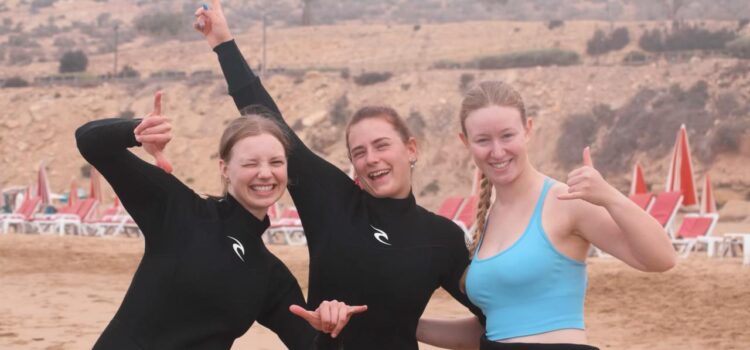
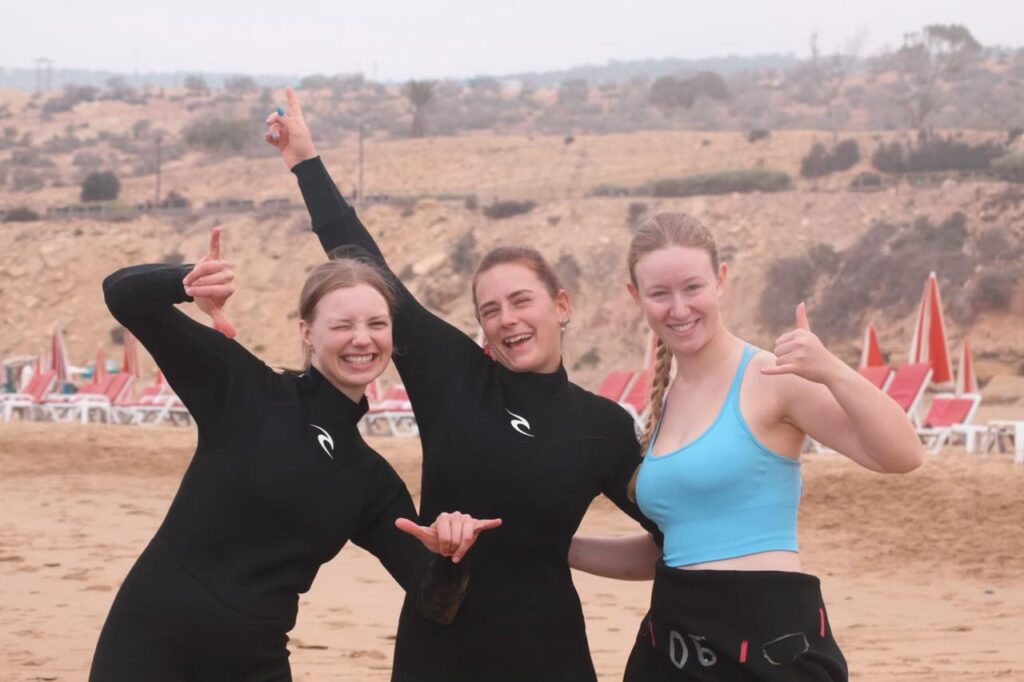
Planning a surf trip to Morocco? Whether you’re heading to the laid-back village of Tamraght, the lively surf hub of Taghazout, or the coastal city of Agadir, packing right is the key to a smooth, wave-filled adventure. At Original Surf Morocco, we’ve seen hundreds of guests arrive—some ready for anything, and others wishing they’d brought one more thing. So here’s the ultimate surf trip packing list to make your 10-day Moroccan getaway effortless, comfortable, and unforgettable.
1. The Essentials of Surf Trip Packing List: What Every Surfer Needs
Let’s start with the basics. A surf trip is, of course, about the waves—but Morocco’s mix of ocean, sun, and local exploration means you’ll need more than just your board and boardshorts.
-
Passport & travel documents: It may sound obvious, but it’s amazing how often this tops the “forgotten items” list. Keep a digital backup too.
-
Travel insurance: Always a smart idea, especially when surfing.
-
Surf gear: Your board (if you’re bringing your own), leash, wax, fins, and a board bag. But don’t worry—Original Surf Morocco has quality boards for rent if you’d rather travel light.
-
Reusable water bottle: The Moroccan sun is strong—hydration is your best friend.
-
Portable first aid kit: Include blister plasters, aloe gel, and motion sickness tablets if you’re planning coastal drives.

2. Surfwear & Wetsuits: Dress for the Moroccan Waters
The ocean conditions around Tamraght and Taghazout change with the seasons. Here’s what to expect:
In Winter (October – March):
Water temps drop to around 16–19°C, so bring a 3/2mm or 4/3mm wetsuit. You’ll appreciate the warmth when early morning surf sessions meet the crisp Atlantic breeze.
In Summer (April – September):
You can surf comfortably in a spring suit or even a rash guard and boardshorts. Just make sure to pack high SPF zinc, as Morocco’s sun can be deceivingly strong even when it’s cloudy.
Other surfwear to pack:
-
Two swimsuits (so you always have a dry one)
-
Rash guard for protection and comfort
-
Beach towel (though Original Surf Morocco provides shower towels)
-
Surf hat or cap for longer sessions
-
Flip-flops or easy slip-ons
3. Casual & Cultural Clothing
When you’re not in the water, you’ll likely be wandering through Agadir’s souks, enjoying mint tea in Tamraght’s cafés, or exploring the coastline at sunset. Morocco’s surf towns are relaxed, but respectful dressing is appreciated, especially in local areas.
For women: Loose dresses, light scarves, and flowy pants are perfect.
For men: Linen shirts, shorts, and breathable tees work great.
In cooler months, bring:
-
A light jacket or hoodie for evenings
-
Long pants for desert or mountain excursions
In warmer months:
-
Lightweight cotton clothing
-
Sunglasses and a wide-brimmed hat
4. Yoga & Relaxation Gear
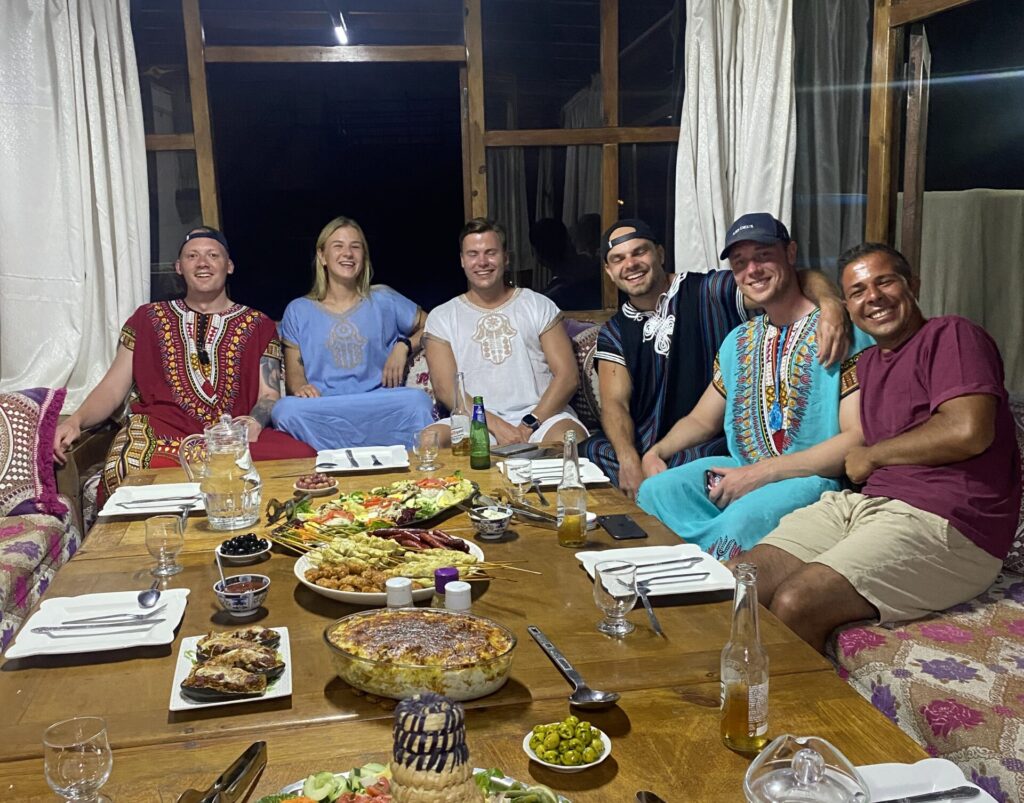
At Original Surf Morocco, mornings often begin with yoga on the terrace overlooking the ocean—a beautiful way to prepare body and mind before hitting the waves.
Bring:
-
Yoga leggings or shorts
-
A light top or tank
-
Reusable yoga mat (optional—mats are provided, but some prefer their own)
-
Journal (to capture reflections between surf and sunsets)
5. Tech & Accessories
Morocco’s surf towns are peaceful but connected—perfect for digital nomads or travelers wanting to stay in touch.
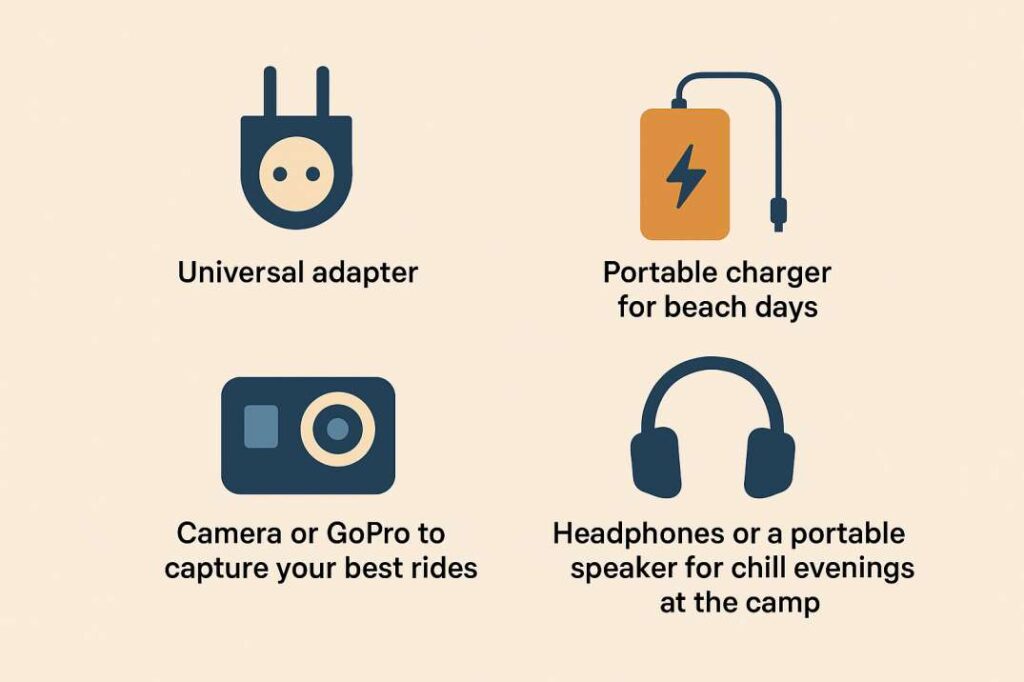
Don’t forget:
-
Universal adapter (Morocco uses European-style plugs)
-
Portable charger for beach days
-
Camera or GoPro to capture your best rides
-
Headphones or a portable speaker for chill evenings at the camp
6. Health, Wellness & Skin Care
Between the sun, salt, and sand, your skin will thank you for a little care:
-
High SPF sunscreen and lip balm
-
Aloe vera or after-sun lotion
-
Natural mosquito repellent (especially in warmer months)
-
Basic toiletries (toothbrush, shampoo, etc.—eco-friendly products are best for local sustainability)
7. What to Bring vs What to Buy Locally
Here’s the thing: you don’t need to bring everything. Tamraght and Taghazout have surf shops stocked with wax, fins, and beachwear. Local markets sell hammam soap, argan oil, and natural beauty products at great prices—perfect for souvenirs or self-care.
Bring from home:
-
Your wetsuit (for fit and comfort)
-
Favorite sunscreen brand
-
Health essentials
Buy locally:
-
Beach towel or poncho
-
Surf wax and zinc
-
Argan oil, hammam scrubs, and local tea (trust us, it’s part of the experience!)
This mix saves you weight and lets you enjoy Morocco’s artisan culture firsthand.
8. Packing Tips for Each Season
Winter (Oct–Mar):
Pack layers. The mornings can be crisp, but the afternoons warm up beautifully. Include a hoodie, light jacket, and closed shoes for exploring.
Summer (Apr–Sept):
Keep it light and breezy—sandals, swimsuits, and cotton tees. A sunhat and reef-safe sunscreen are musts.
9. Getting Around
If you’re staying with Original Surf Morocco, airport transfers from Agadir are included in most packages—no need to worry about logistics. The camp also organizes day trips to Paradise Valley, Agadir souk visits, and desert excursions. You’ll experience both surf life and Moroccan culture without the hassle of planning everything yourself.
10. Final Thoughts on Surf Trip Packing List: Keep It Simple, Keep It Soulful
Packing for Morocco is all about balance—bring what you need, leave space for the unexpected, and remember that a surf trip is as much about the journey as it is about the waves.
Whether you’re carving your first turns or flowing through morning yoga by the ocean, Tamraght offers the perfect blend of adventure, culture, and calm.
🌊 Ready to Catch Your Moroccan Wave?
Come experience the surf, sun, and soul of Morocco with Original Surf Morocco. Stay just minutes from the beach, enjoy freshly prepared meals, and meet fellow surfers from around the world. Pack light—we’ll handle the rest.
Book your surf trip today and discover why Tamraght has become Morocco’s favorite surf haven.
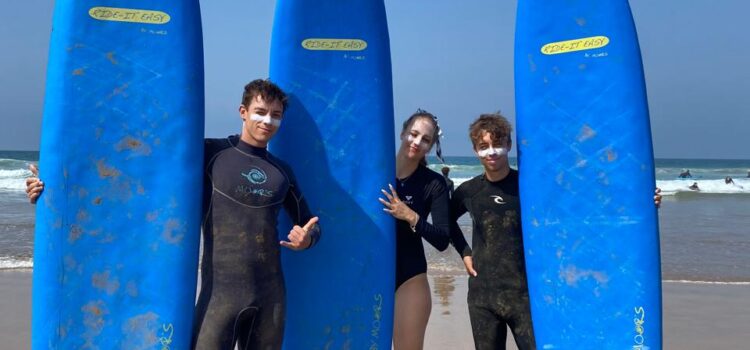
🌊 Surf, Souks & Sahara: The Ultimate 7-Day Surf and Culture Itinerary in Southern Morocco
Who’s looking for a surf itinerary for a week full of surfing the epic warm waters of Morocco? I know, I am.
The surf season is around the corner, and if you’ve ever dreamed of combining a week of surfing epic Moroccan waves with exploring vibrant souks, desert landscapes, and Berber culture, this itinerary is your perfect match. Southern Morocco offers an unforgettable mix of adventure and authenticity, where days begin with sunrise surf sessions and end with mint tea under desert skies.
Based in Tamraght, the heart of Morocco’s surf coast, this 7-day itinerary blends surf, yoga, and local discovery — with Original Surf Morocco as your home away from home.
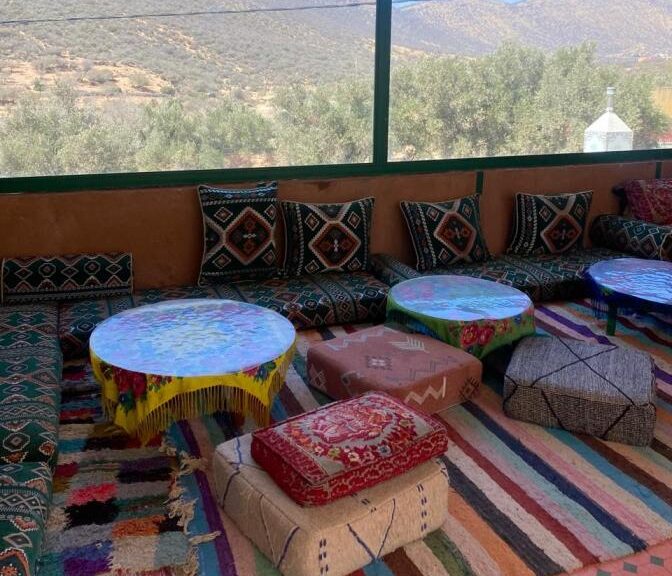
🗓️ Day 1: Arrival in Agadir – Welcome to Morocco
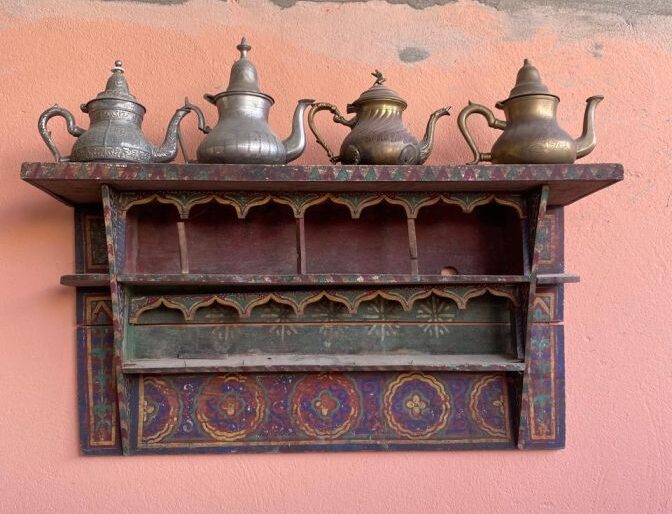
Your Moroccan adventure begins the moment you land at Agadir–Al Massira Airport, just 45 minutes from Tamraght. A friendly driver from Original Surf Morocco will greet you for a comfortable transfer to the surf camp, where you’ll be welcomed with warm smiles and a glass of traditional Moroccan mint tea.
After settling in, take a stroll through Tamraght village — a laid-back surf town overlooking the Atlantic. Enjoy a delicious homemade dinner at the camp, chat with your hosts, and soak in the relaxed Moroccan atmosphere as you prepare for your first surf session tomorrow.
Pro tip: If you arrive early, catch the sunset from the rooftop terrace — it’s one of the most peaceful and interesting ways to start your trip.
🏄♂️ Day 2: First Surf Session in Tamraght
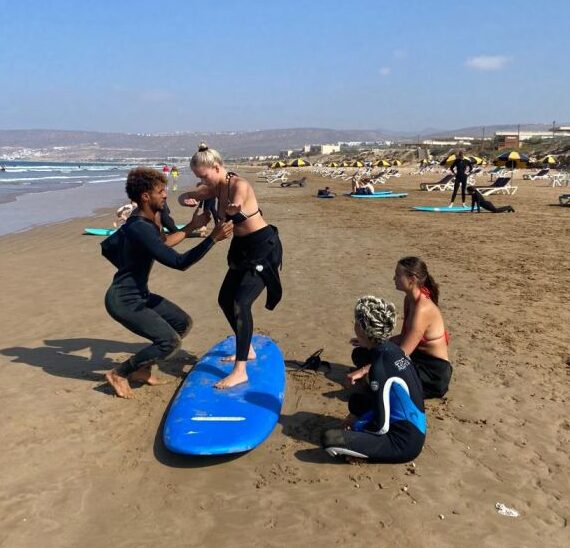
Wake up to ocean views and the smell of fresh Moroccan breakfast — pancakes, eggs, fruit, and mint tea. After a short morning yoga session to stretch out, you’ll head to the beach for your first surf lesson.
Tamraght’s surf spots, such as Banana Point and Devil’s Rock, are ideal for beginners. With patient and certified instructors from Original Surf Morocco, you’ll learn the basics of paddling, popping up, and reading waves safely.
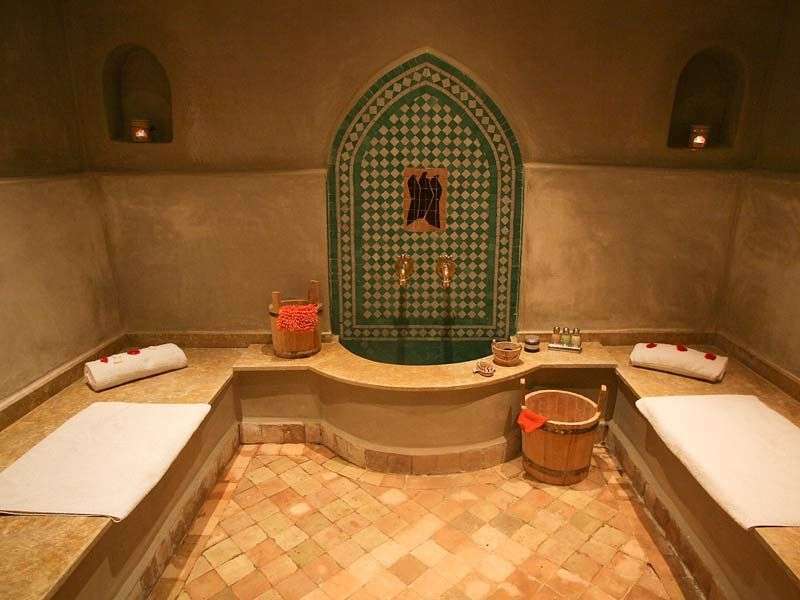
In the afternoon, unwind with a hammam (traditional Moroccan spa) or simply chill on the terrace. Evenings at the surf camp are cozy — filled with laughter, fresh tagines, and the soft sound of waves in the background.
🌊 Day 3: Surf and Explore Taghazout
After breakfast, it’s time for a short 10-minute drive to Taghazout, Morocco’s most famous surf village. Known for its world-class breaks like Anchor Point and Panorama Beach, this is a paradise for intermediate and advanced surfers — though there’s always a mellow wave for everyone.
Once the surf session wraps up, explore the narrow streets of Taghazout. Stop by surf shops, try fresh seafood at a beachside café, or sip mint tea while watching locals play football on the sand.
As the sun dips, return to Tamraght to relax, reflect, and enjoy another home-cooked Moroccan meal.
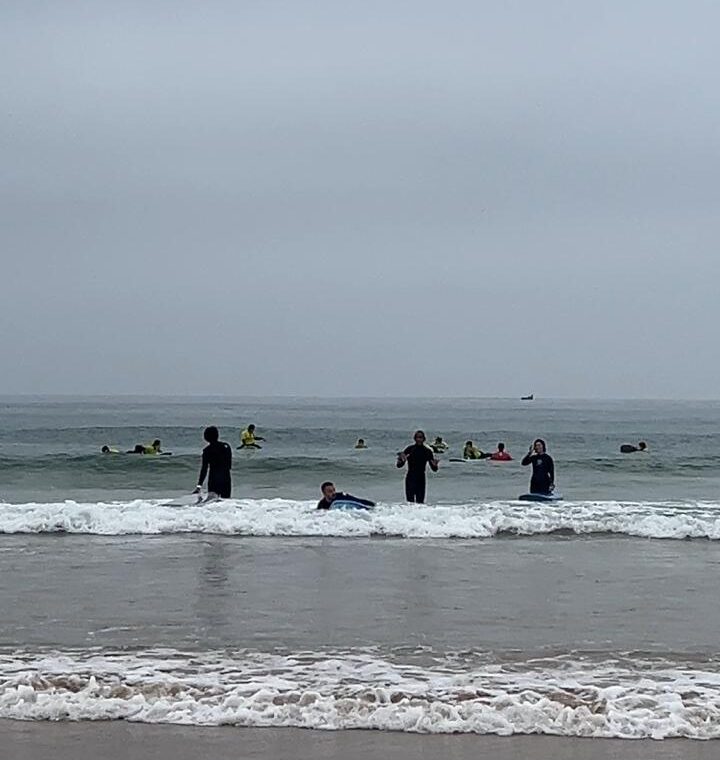
🕌 Day 4: Culture Day – Souks, Spices & the Agadir Kasbah
Midway through the week, it’s time to immerse yourself in Morocco’s vibrant culture. After breakfast, join a day trip to Agadir, a modern coastal city with deep roots in Berber tradition.
Start at Souk El Had, one of Morocco’s largest open-air markets. Lose yourself among colorful spice stalls, handcrafted leather goods, ceramics, and rugs. Bargaining is part of the fun — just smile and enjoy the exchange.
After lunch at a local restaurant (vegetarian and vegan options are easy to find), visit the Agadir Oufella Kasbah for breathtaking views over the city and ocean. Return to Tamraght for evening yoga and a relaxing dinner — the perfect balance between surf and culture.

🏜️ Day 5: Mini Desert Adventure – The “Little Sahara”
No trip to Southern Morocco is complete without a taste of the desert. On day five, embark on a mini-Sahara adventure to the sand dunes near, Tamri, Tifnit or Massa National Park.
Travel through picturesque Berber villages, stop for mint tea with locals, and admire the landscapes where golden dunes meet the Atlantic. You might even spot camels and fishermen along the rugged coast.
Lunch is served picnic-style in the dunes — a peaceful escape from the world. In the evening, return to Tamraght with your heart (and camera) full of memories.
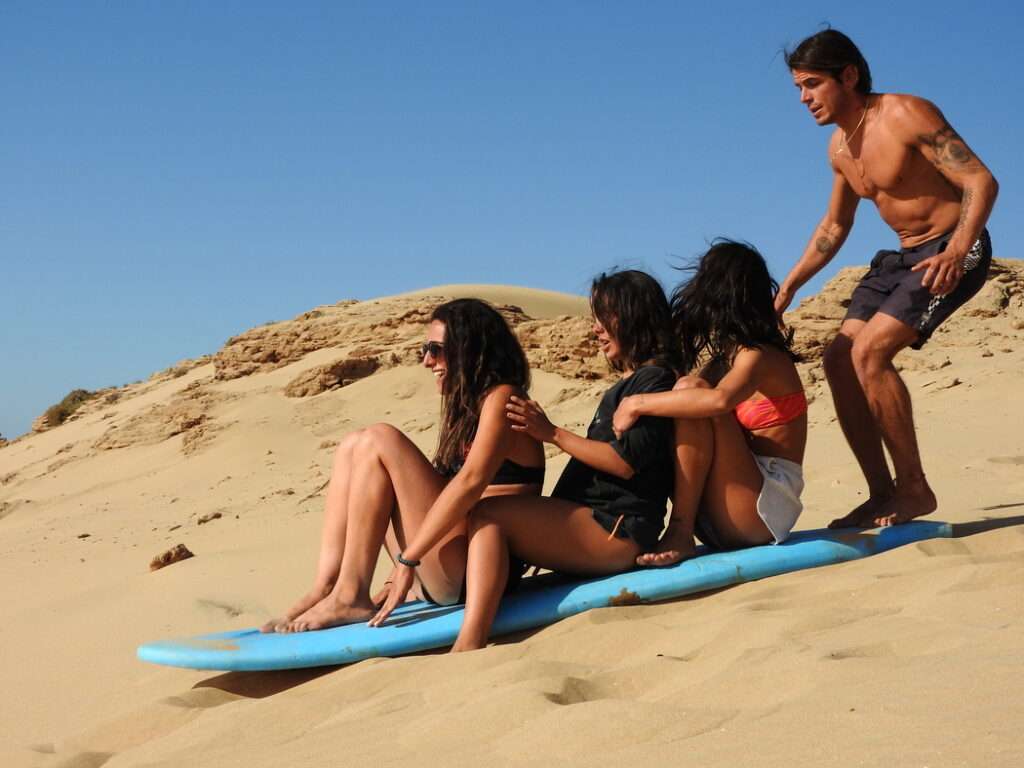
🌅 Day 6: Final Surf Session & Sunset Celebration
On your last full day, it’s all about the waves. Pick your favorite surf spot or try a new one — perhaps Panorama Beach or Killer Point. This is a great time to join a photo coaching session with the surf instructors from Original Surf Morocco to see how far you’ve progressed.
After your final surf, spend the afternoon relaxing in Tamraght — enjoy a massage, visit a local café, or explore nearby art galleries.
As the sun begins to set, head to the beach for a farewell dinner and sunset celebration with your surf family. There’s nothing quite like sharing stories and laughter while the sky glows orange and pink over the Atlantic.
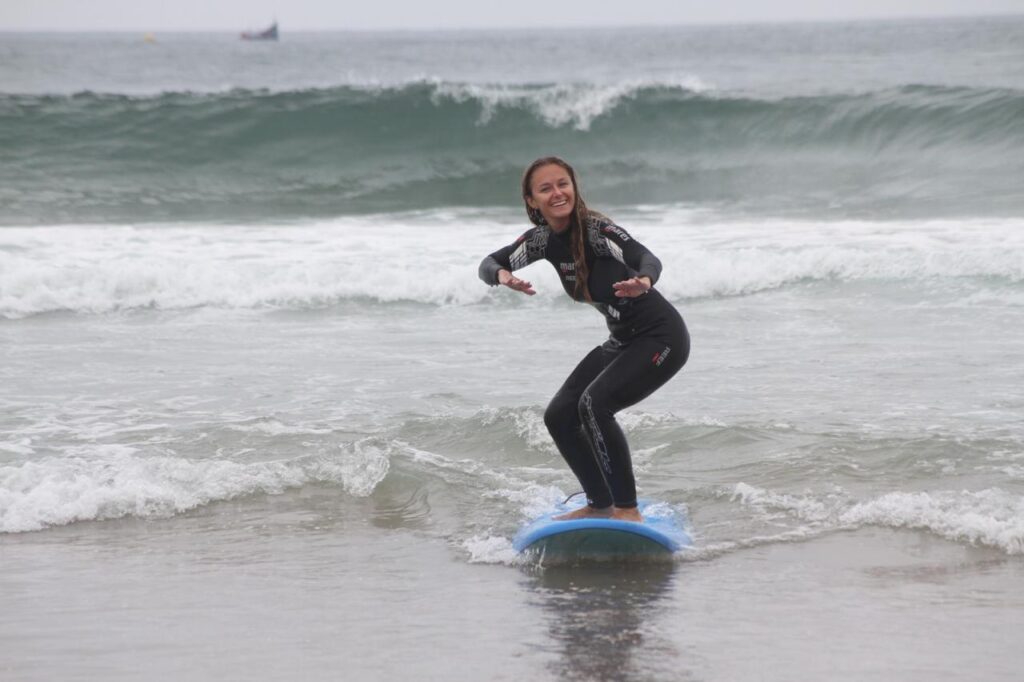
✈️ Day 7: Departure (or Stay Longer- You Need a Longer Surf Itinerary!)
Your Moroccan surf and culture journey comes to an end — but you’ll leave with sun-kissed skin, stronger surf skills, and a heart full of memories.
If you’re not ready to say goodbye, consider extending your stay for a yoga retreat, extra surf coaching, or even a desert overnight trip.
Original Surf Morocco offers flexible packages that let you shape your dream Moroccan experience — whether you’re chasing more waves or simply want to unwind in paradise a little longer.
🚗 Surf Itinerary: Travel Tips & Logistics
-
Where to Stay: Original Surf Morocco — a cozy surf and yoga camp in Tamraght offering surf lessons, daily yoga, Moroccan cuisine, and friendly community vibes.
-
Getting Around: Airport transfers can be arranged by the camp. Local taxis or minibuses connect Tamraght, Taghazout, and Agadir easily.
-
When to Visit: For consistent surf, come between September and April. Summer offers smaller, fun waves — perfect for beginners.
-
What to Bring: Sunscreen, reusable water bottle, comfy sandals, light layers, and an adventurous spirit.
🌴 Final Thoughts on the Ultimate 7-Day Surf Itinerary in Morocco
A week in Southern Morocco is more than just a vacation — it’s an experience that connects you with nature, community, and culture. From catching your first wave in Tamraght to wandering the souks of Agadir and exploring the mini desert, every day brings something new.
So why choose between surf and culture when you can have both?
🧭 Ready to Ride the Moroccan Wave?
Join us at Original Surf Morocco — your home base for surf, yoga, and cultural adventures in Tamraght. Whether you’re a beginner or an experienced surfer, our team will make your Moroccan dream week come true.
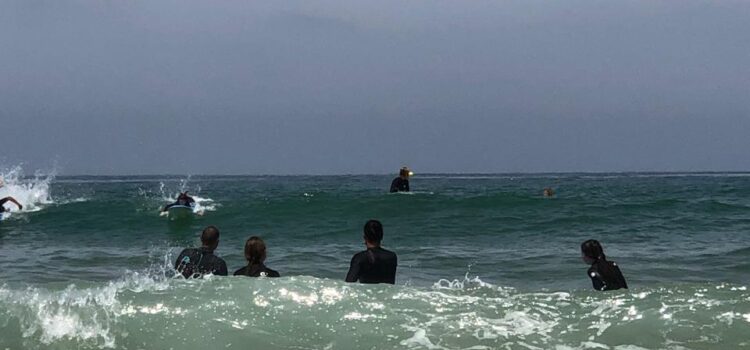
Surf Camp Life During the Big Swell: What It’s Really Like in Here
Introduction to Surf Camp Life During the Big Swell
Sunshine, big waves, warm waters, rich culture, surf camp life, Agadir, does this excite you?
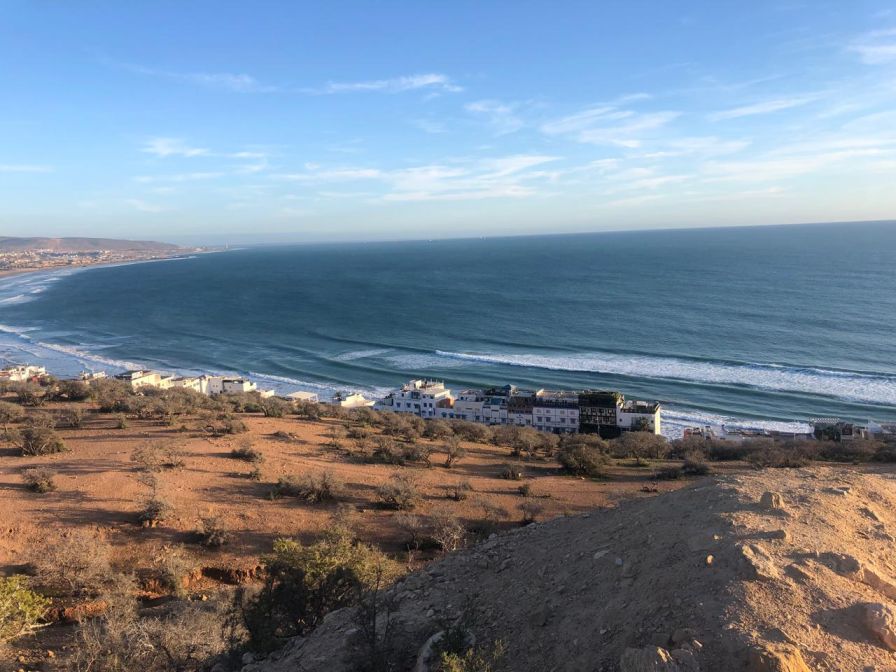
Every year, as the North Atlantic sends its powerful swells rolling toward Morocco, the coastline around Agadir, Tamraght, and Taghazout transforms into a literal surfer’s paradise.
The winter swell season is when the magic really happens.
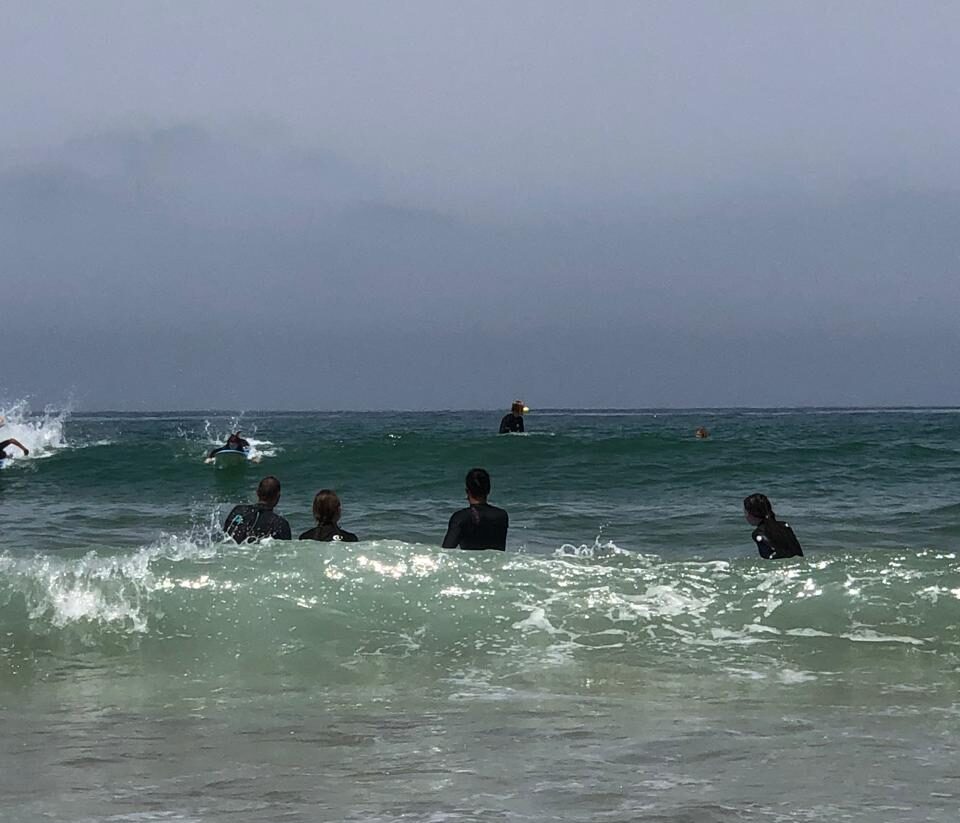
World-class waves fire up, the surf community buzzes with energy, and surf camps like Original Surf Morocco become the perfect home base for riders of all levels.
If you’ve ever wondered what surf camp life is like during the big swell season, here’s a glimpse of the atmosphere, the waves, and the community you’ll find in Tamraght, specifically, and around Agadir and Taghazout.
Waking Up With the Swell
There’s nothing quite like waking up to the sound of the ocean when the swell has arrived.
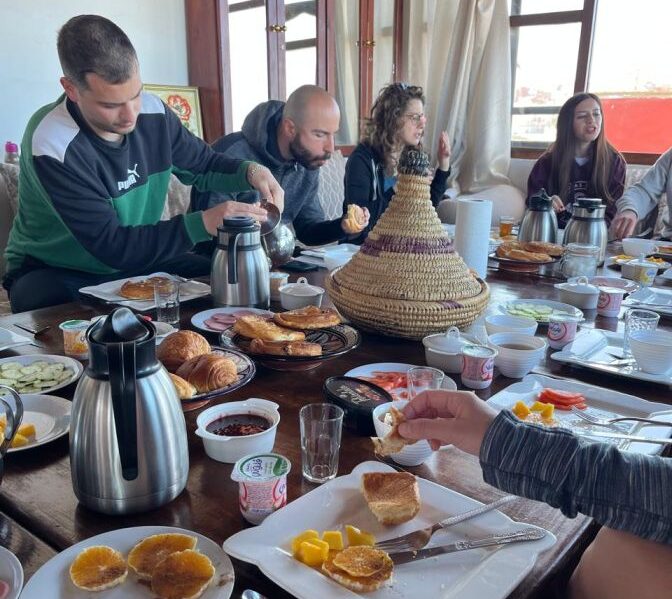
At our surf house, mornings start with the warm glow of the sunrise over the Atlantic and a hearty Moroccan breakfast — fresh bread, homemade jams, fruits, eggs, and of course, Moroccan mint tea.
The kind of breakfast that will fuel your energy for the surf.
Over breakfast, conversations are buzzing with one big question: Where are we surfing today?
During swell season, conditions change fast. The surf instructors and guides check the forecast, tides, and wind to decide the best spot for the day. Whether it’s mellow peelers at Devil’s Rock or powerful walls at Anchor Point, there’s always a wave for everyone.
Surf Sessions for Every Level
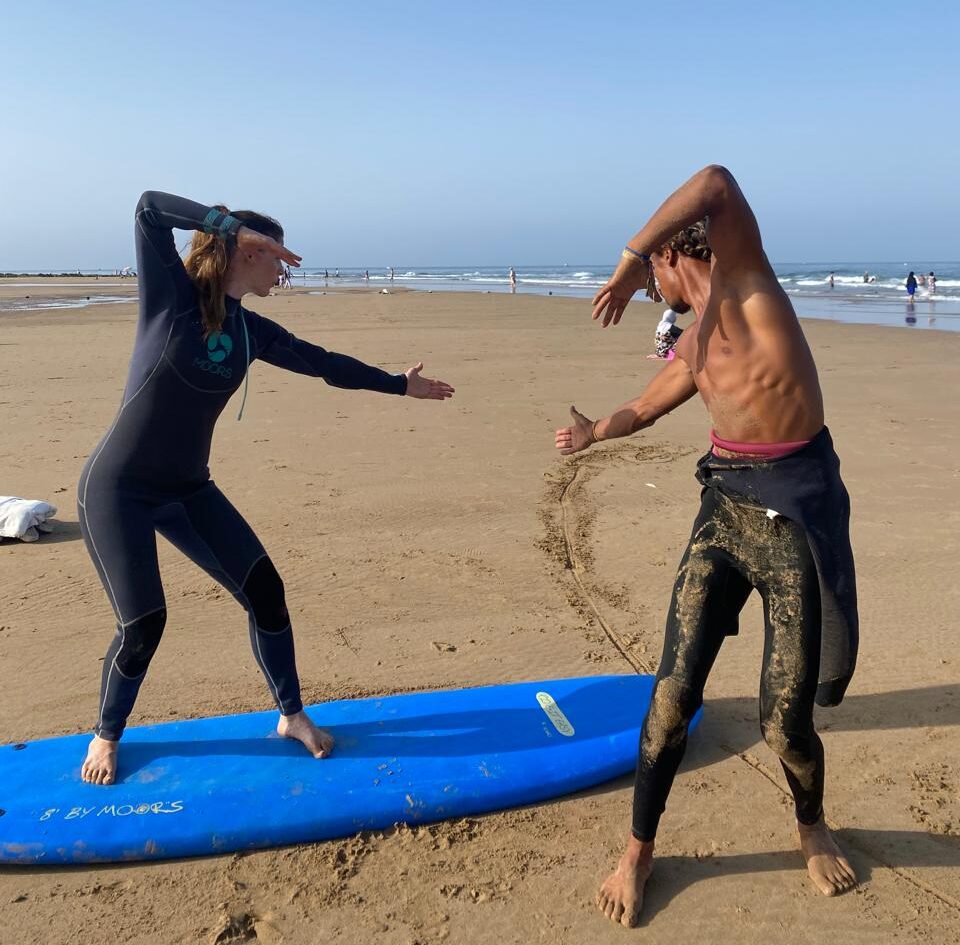
The beauty of Tamraght is that the coastline offers something for all surfers — even when the swell is pumping. Beginners can still learn safely on the smaller, sheltered beach breaks, while intermediate and advanced surfers can challenge themselves at Morocco’s famous point breaks.
Big swell days mean long, peeling rights at Anchor Point, Banana Point, and Hash Point — waves that can give you the ride of your life. For many surfers, just being in the lineup at these iconic breaks is a dream come true.
Life Back at the Camp
After surf sessions, surf camp life slows down in the best possible way. Boards are rinsed, wetsuits hung to dry, and everyone gathers back at the house for a freshly cooked lunch. This is the time when stories are shared — about the wave you caught, the wipeout you survived, or the one you almost had.
The rooftop terrace becomes a meeting point: some guests roll out yoga mats for a sunset flow, others sip tea and watch the ocean glow under the setting sun. The vibe is relaxed, friendly, and full of laughter. By evening, the smell of tagine or couscous fills the camp, and dinner becomes a family-style feast where strangers quickly turn into lifelong friends.
The Energy of the Surf Community
What makes surf camp life during the swell season so unique is the energy. There’s a sense of anticipation in the air — everyone is tuned into the forecast, watching the horizon, waiting for those big sets to roll in. Experienced surfers share tips with beginners, and there’s always someone to paddle out with, no matter your level.
Tamraght itself reflects this vibe. Cafés fill with surfers talking about the day’s waves, local surf shops buzz with activity, and the whole village feels alive with the rhythm of the ocean.
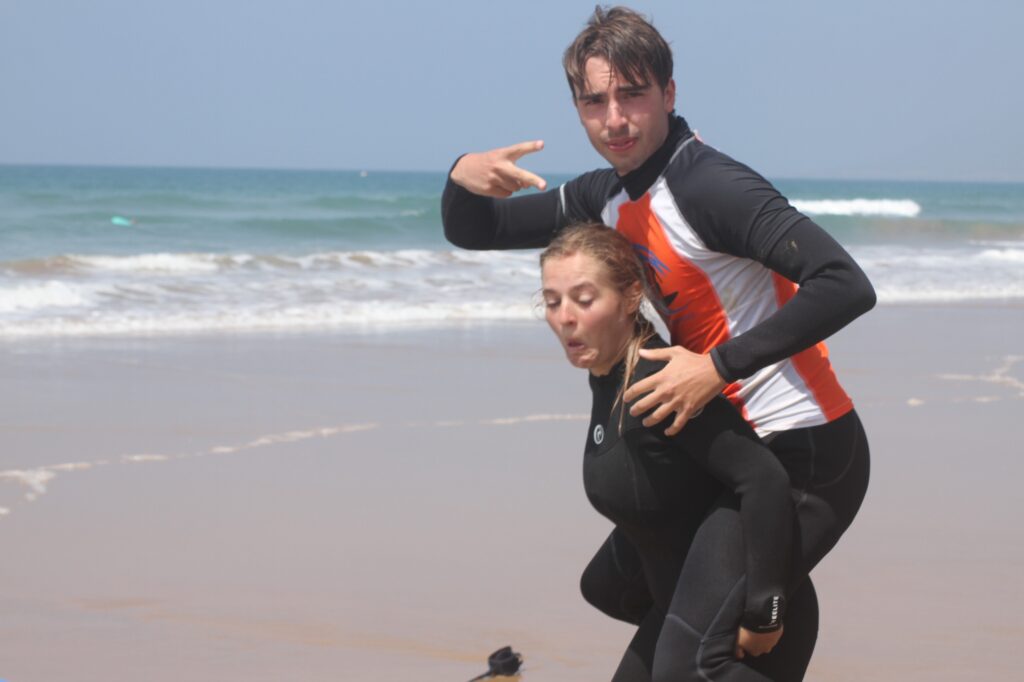
Beyond the Waves At Surf Camp Life During the Big Swell
Of course, surf camp life isn’t just about the surf. On rest days or in between sessions, guests often explore Paradise Valley, visit the souks of Agadir, or unwind with a traditional hammam. These experiences balance out the intensity of the surf, giving you a taste of Moroccan culture alongside the thrill of riding waves.
Why the Big Swell Season Is Special
There’s a reason surfers from around the world make the journey to Morocco during the swell season. The waves are powerful, the weather is sunny even in winter, and the atmosphere at surf camps is unbeatable. It’s not just about surfing; it’s about living the surf lifestyle — waking up with the ocean, sharing meals with fellow travelers, and experiencing the unique blend of Moroccan hospitality and surf culture.
Final Thoughts on Surf Camp Life During the Big Swell
Surf camp life during the big swell season in Tamraght is an experience every surfer should have at least once. Whether you’re catching your first whitewater rides or chasing Morocco’s legendary point breaks, the combination of waves, community, and culture makes it unforgettable.
So, when the next big swell hits Agadir, make sure you’re here with us at Original Surf Morocco — where the waves meet the warmth of true Moroccan hospitality. 🌊✨
Don’t just read about the big swell — surf it! Reserve your Moroccan surf holiday with Original Surf Morocco and experience Tamraght’s magic firsthand.
Frequently Asked Questions
When is the swell season in Agadir?
The main swell season in Agadir runs from October to April, with the biggest and most consistent waves typically arriving between December and February. During this period, surfers from around the world come to catch Morocco’s legendary point breaks.
Is it safe for beginners to surf during big swells?
Yes, beginners can still enjoy surfing safely! Surf camps like Original Surf Morocco offer tailored lessons, guiding beginners to smaller, protected breaks even when the big swell is rolling in. Our instructors ensure safety while building confidence in the water.
What should I pack for surf camp in Tamraght during swell season?
Essentials include a wetsuit (3/2mm or 4/3mm for cooler months), rash guard, sunscreen, swimwear, flip-flops, and a water bottle. Don’t forget casual clothes for lounging, yoga sessions, and evenings at the camp.
Can I take surf lessons if I’m visiting just for a few days?
Absolutely! At Original Surf Morocco, you can join single-day lessons, weekend packages, or full-week programs, depending on your schedule and surf goals.
What makes Tamraght a great base during the big swell?
Tamraght is perfectly located near famous surf breaks like Devil’s Rock, Banana Point, and Anchor Point, offering waves for all skill levels. Combined with comfortable surf camp accommodation, yoga facilities, and Moroccan hospitality, it’s an ideal spot for your surf adventure.
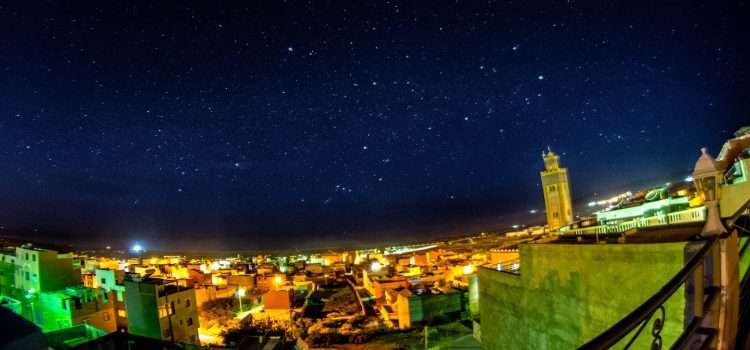
Original Surf Morocco: Top 21 Reasons To Visit Us
Planning your next surf adventure? If you’re looking for the perfect mix of waves, wellness, and authentic Moroccan culture, you don’t need to look further than Original Surf Morocco.
Nestled in the heart of Tamraght, just outside Agadir, our surf camp has welcomed thousands of travelers from all over the world. Whether you’re a first-time surfer or chasing bigger swells, you’ll find everything you need right here.
Here are 21 reasons why Original Surf Morocco is the best surf camp in Morocco (and why once you come, you may never want to leave).
Surfing & Yoga At Original Surf Morocco: The Core of Your Stay
1. World-Class Surf Coaching
From your very first pop-up to riding green waves, our certified surf instructors guide you step by step.
With years of experience and patience, they know how to build your confidence in the water — and make learning fun.
Some of our surf coaches have more than 15 years of experience in the industry.
2. Endless Moroccan Waves
Tamraght and the Agadir coastline offer year-round surf spots for every level.
And it stretches over 90 KM of cost northbound Agadir and is full of world class surf spots
Beginners can start on mellow beach breaks, while intermediates and pros can chase points like Anchor Point or Boilers.
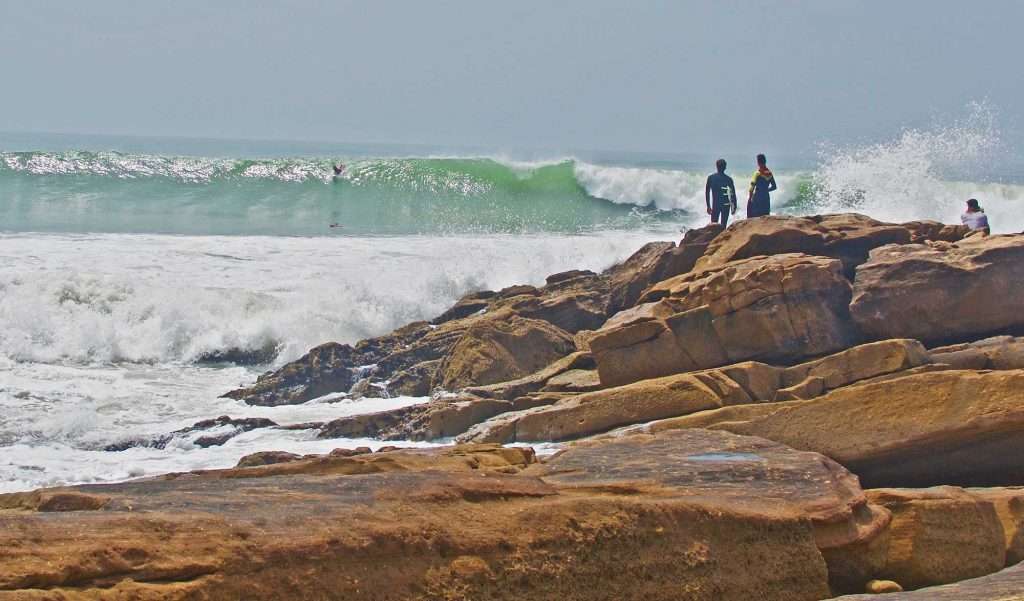
3. Surf Equipment Included
No need to bring heavy gear — we provide quality boards and wetsuits suited to your skill level and the day’s conditions.
Original Surf Morocco is a full-fledged surf school equipped with everything necessary for a surf session.
So no need to worry about surfboards, wetsuits, wax, or anything. Just bring your sunscreen or wax and your surfing spirit.
4. Daily Yoga Sessions
Surfing and yoga are a match made in heaven.
Our rooftop yoga classes are designed to stretch sore muscles, improve balance, and calm your mind after a surf session.
Sunset yoga overlooking the Atlantic?
Pure magic.
What feeling is better than coming back from a day full surfing and enjoying a zen yoga session?
It’s a feeling like no other.
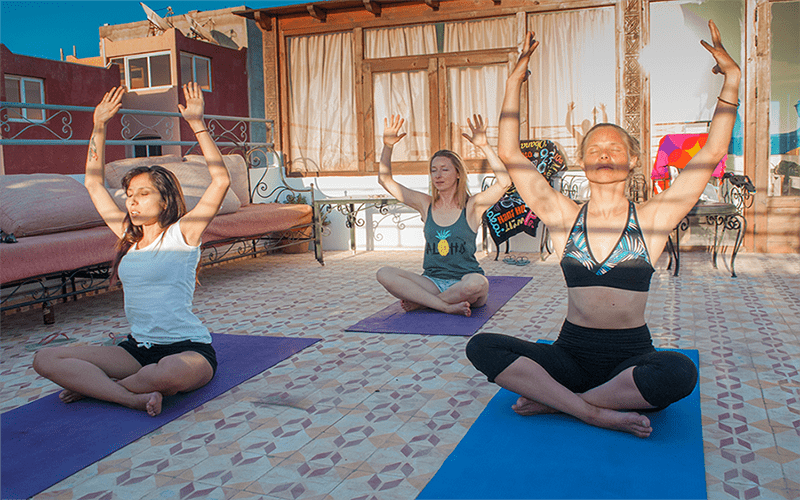
Food, Comfort & Hospitality With Original Surf Morocco
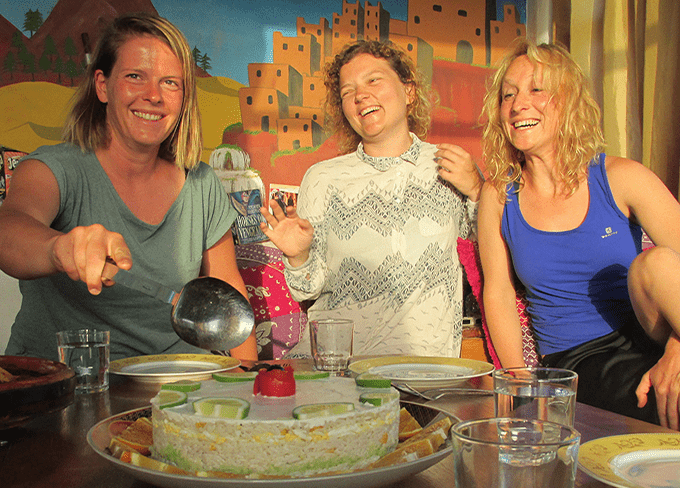
5. Home-Cooked Moroccan Meals
Our in-house chef prepares three delicious meals daily — from traditional tagines and couscous to fresh salads and grilled fish.
Always nourishing, always full of flavour.
6. Stunning Ocean Views
Wake up to the sight of waves rolling in and fall asleep to the sound of the ocean.
Our rooftop terrace is the best spot for sunsets, stargazing, and social evenings.

Culture, Adventure & Experiences
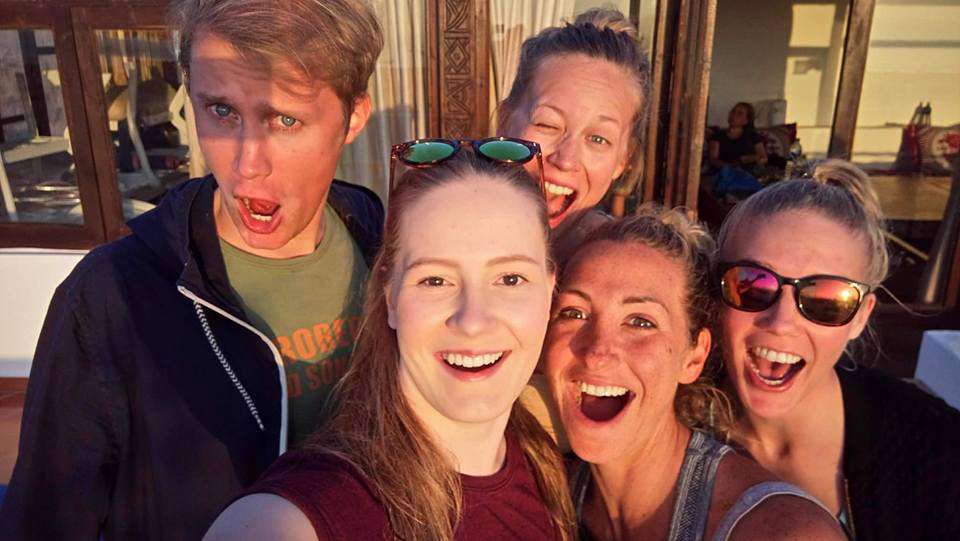
7. Come as Guests, Leave as Family
One of the things guests love most is the warm, family-like atmosphere.
You’ll meet fellow travelers, share meals, and bond over surf adventures. Many guests return year after year.
8. Cozy Accommodation at Original Surf Morocco
Choose between shared rooms or private rooms with comfy beds and Moroccan décor.
Whether you’re a solo traveller or with friends, you’ll find the perfect setup.

9. Sand Surfing Excursions
When you’re here at Original Surf Morocco, you don’t only surf waves, but you surf sand dunes, too.

10. Famous Moroccan Mint Tea
No Moroccan stay is complete without mint tea.
At Original Surf Morocco, you’ll be offered tea any time — it’s our way of saying, you’re at home here.

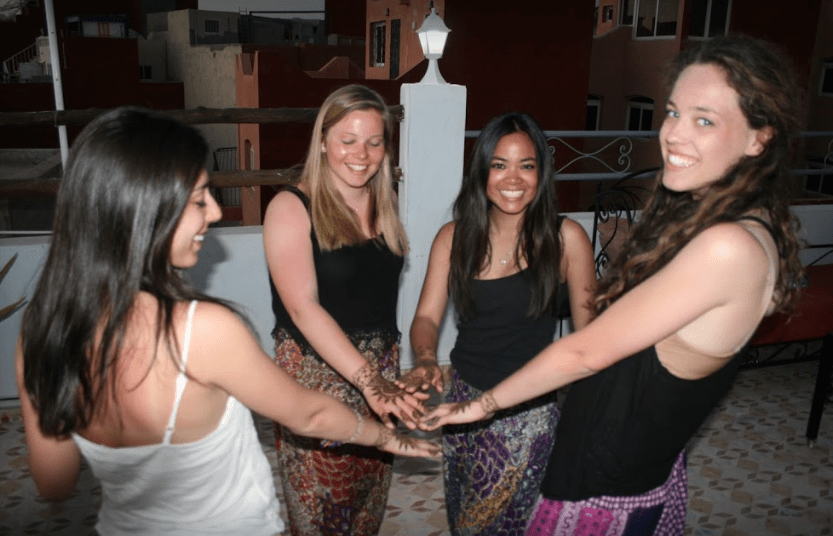
11. Henna & Local Traditions
Discover the art of henna tattoos, colorful souks, and the friendly spirit of Moroccan hospitality. You’ll get a taste of the real culture, not just the tourist version.
Community & Vibe at Original Surf Morocco
12. Paradise Valley Trips
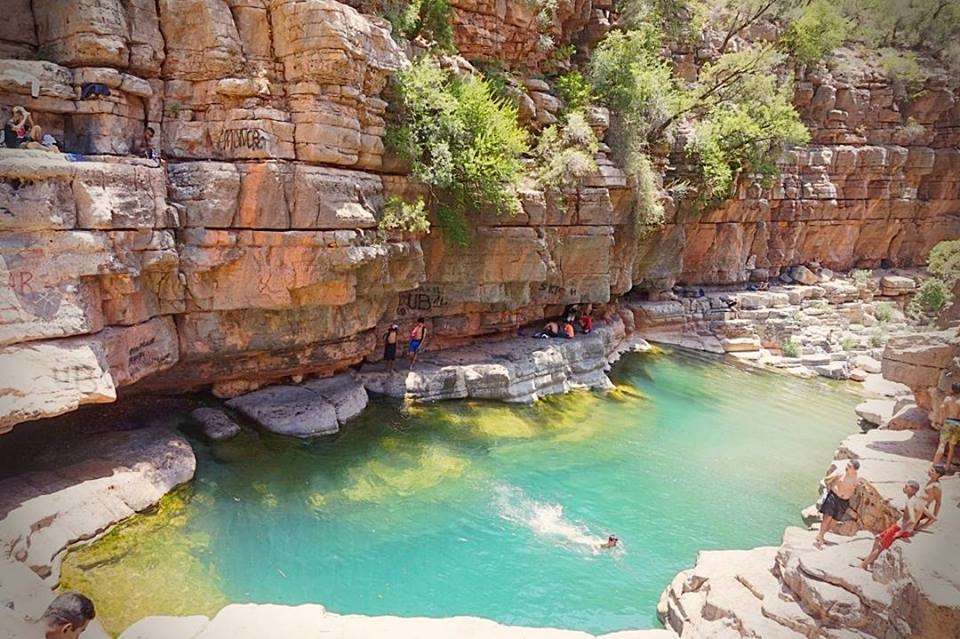
When you’re not surfing, we’ll take you inland to Paradise Valley, where turquoise pools and palm trees create the perfect backdrop for cliff jumping or simply relaxing.
13. Friendly Team at Original Surf Morocco
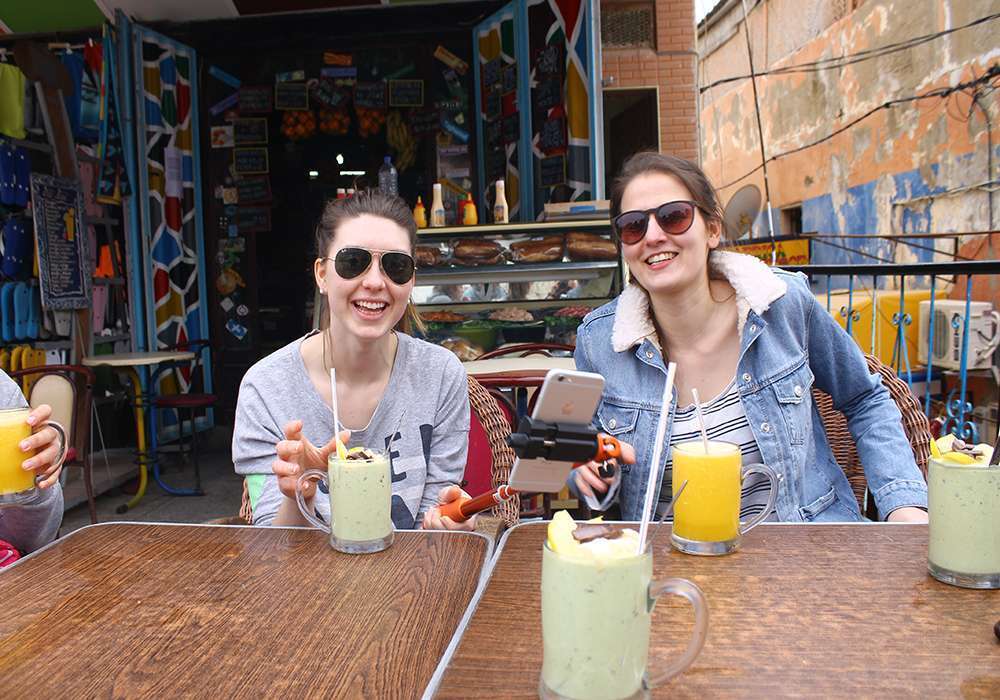
Our team is always here for you — whether it’s giving surf tips, teaching you to make tea, or taking you to hidden local spots.
We treat guests like lifelong friends.
14. Social Evenings on the Terrace
From BBQ nights to game evenings under the stars, you’ll never feel lonely here.
Our rooftop is where stories, laughter, and friendships are made.
Accessibility & Value of Your Stay at Original Surf Morocco
15. Just a Few Hours From Europe
Tamraght is less than 4 hours’ flight from most European cities. With budget airlines flying into Agadir, it’s easy to escape to the sun, even for a short surf holiday.
16. Affordable Packages
Our all-inclusive surf and yoga packages start from €560 per week — covering accommodation, meals, surf lessons, equipment, and transport to the beach. Unbeatable value for everything included.
17. Free Airport Pick-Up
We make travel stress-free by arranging airport or bus station transfers so you can relax the moment you land.
18. Surf Every Day With Original Surf Morocco
With 300+ days of sunshine a year and waves for all levels, you’ll always find the ocean waiting. No wasted surf days here.
19. Local Knowledge, Best Spots
Because we’re local surfers ourselves, we know exactly where and when to surf depending on tides, swells, and your level.
20. Goats in Trees
Yes, you read that right — Morocco is famous for its tree-climbing goats, and you’ll probably spot them on the way to the surf spots.
A photo you won’t forget!

And Finally…
21. Memories That Last a Lifetime in Original Surf Morocco
It’s not just about the surf, food, or sunsets — it’s the feeling you’ll take home with you. Original Surf Morocco is a place where you’ll connect with nature, recharge, and meet people who might just become lifelong friends.

Ready for Your Moroccan Surf Adventure at Original Surf Morocco?
Now you know why so many travelers call Original Surf Morocco the best surf camp in Morocco. Whether you’re chasing your first wave, deepening your yoga practice, or just looking for a sunny escape, our doors are open.
👉 Book your surf holiday today and get ready for the adventure of a lifetime.
FAQ About Reasons Why Join Us Original Surf Morocco
1. What is the 12-second rule in surfing?
The “12-second rule” in surfing refers to the time interval between waves, also known as the wave period. A wave with a 12-second period usually means it has traveled from far out at sea and carries more power, making it stronger, cleaner, and easier to ride than shorter-period waves. In general, the longer the wave period, the more powerful and organized the swell. For surfers, keeping an eye on the seconds between waves helps predict wave quality and conditions before heading out.
2. What is the difference between a surf camp (Original Surf Morocco) and a surf school?
-
Surf School: Usually offers surf lessons for a few hours or a single day. It’s a great choice if you just want a quick introduction or improve your skills during a short stay.
-
Surf Camp: Provides a full experience that often includes accommodation, meals, surf lessons, equipment, yoga, and community activities. A surf camp is more immersive, giving you the chance to live the surf lifestyle, connect with like-minded people, and progress faster thanks to daily lessons and coaching.
In short, surf schools teach you surfing, while surf camps let you live surfing. 🌊
3. What is a surf camp?
A surf camp is a retreat-style stay designed for surfers of all levels. It typically includes:
-
Comfortable accommodation (often close to the beach)
-
Daily surf lessons and coaching
-
Surfboard and wetsuit rental
-
Yoga or fitness sessions to complement surfing
-
Community meals and social activities
-
Guidance from local surf instructors who know the best spots
Surf camps are popular because they combine travel, culture, and surfing into one seamless experience.
4. Why do people wear T-shirts when surfing?
Surfers often wear T-shirts (or rash guards) in the water for several reasons:
-
Sun protection: To avoid sunburn when spending hours in the ocean.
-
Skin protection: To prevent rashes from rubbing against the surfboard.
-
Warmth: In cooler conditions, they add a bit of insulation.
-
Comfort and style: Some surfers simply feel more comfortable wearing them.
That’s why you’ll often see surfers with T-shirts, rash guards, or wetsuits—it’s all about protection and comfort.
Surfing in Tamraght: Morocco’s Hidden Gem for Wave Lovers
When it comes to surfing in Morocco, most travelers immediately think of Taghazout, the famous surf village just north of Agadir. But tucked only 5 minutes down the road lies a quieter, more authentic alternative: Tamraght. Tamraght hidden gem surfing is exactly what wave lovers are searching for when they want Morocco’s best breaks without the crowds. (New to the village? Start with our complete Tamraght guide). This charming Berber fishing village has been steadily gaining attention among wave lovers who want to escape the crowds, enjoy a laid-back atmosphere, and experience Morocco’s surf culture in its purest form. In this guide, we’ll uncover everything you need to know about surfing in Tamraght, from the best surf spots and local vibe to tips on where to stay, eat, and make the most of your trip.
Why Tamraght Hidden Gem Surfing Beats the Crowds
Tamraght is proof that great things come in small packages. While it may not have the same name recognition as Taghazout, it offers plenty of advantages for surfers of all levels:
-
Less crowded line-ups — perfect for beginners and intermediates who want space to practice.
-
Walking distance to multiple surf breaks, so you can check the waves in minutes.
-
Authentic Moroccan village feel, where locals still greet you with a smile, and kids play football in the streets.
-
Stunning coastline and sunsets that feel like your own private paradise.
Unlike bigger surf towns, Tamraght hasn’t lost its local charm. Here, you’ll share the beach with fishermen hauling in their morning catch, friendly dogs trotting along the shore, and a mix of travelers from around the world who are here for the same reason: the waves.

Best Surf Spots For Surfing in Tamraght
One of Tamraght’s biggest draws is its easy access to a variety of surf spots, each with its own personality.
1. Banana Point
A mellow right-hand point break ideal for beginners and longboarders.
Named after the banana plantations nearby, this spot offers long, fun rides on smaller swells and can hold more size for experienced surfers.

2. Devil’s Rock
A sandy-bottom beach break with a friendly vibe, great for all levels.
The sunsets here are spectacular, making it a favorite spot for evening sessions.
3. Crocodile Beach
A wide, sandy beach with gentle whitewater waves, perfect for first-timers.
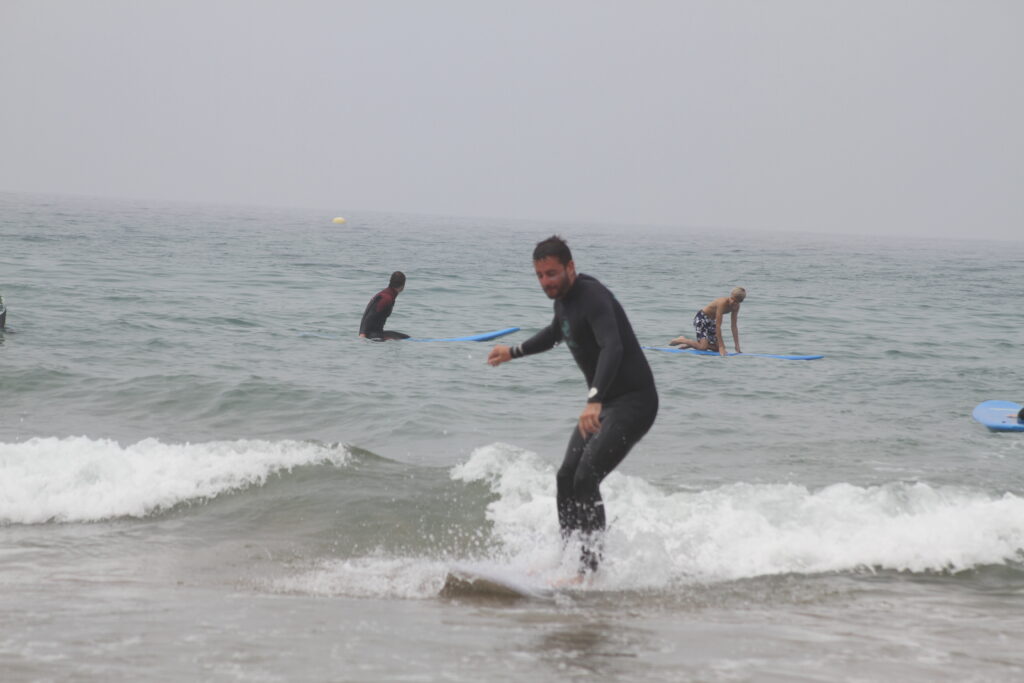
On bigger days, the peaks further out offer fun rides for intermediates.
4. Panorama (just a short walk north)
A consistent right-hand point break that’s great for intermediates looking to work on their turns.
Pro tip: The beauty of Tamraght’s location is that if one spot isn’t working, you can walk or take a 5-minute drive to another until you find the perfect conditions.
When Is the Best Time For Surfing in Tamraght?
Tamraght enjoys over 300 days of sunshine a year, making it a year-round surf destination.
-
October to April: Best for consistent swell, ideal for intermediates and advanced surfers.
-
May to September: Smaller, gentler waves perfect for beginners, with warm water and sunny skies.
Water temperatures hover between 16°C in winter and 22°C in summer, so a 3/2 wetsuit is perfect most of the year.
The Tamraght Vibe
What makes Tamraght special isn’t just the waves; it’s the atmosphere. Here, mornings start slowly, often with a rooftop breakfast overlooking the ocean.
Surfers check the swell from their balconies, yoga mats get rolled out in the sun, and the smell of fresh Moroccan bread fills the air.
Afternoons might be spent surfing, exploring nearby markets, or relaxing at a café with a glass of mint tea. In the evenings, travelers gather for communal tagine dinners, watch the sunset over the Atlantic, and share stories of the day’s waves.
If you want a surf trip where you can truly slow down, connect with people, and immerse yourself in Moroccan culture, Tamraght delivers. This is the heart of Tamraght hidden gem surfing, it’s as much about the lifestyle as it is about the waves.
Surf Lessons and Camps in Tamraght
Whether you’re brand new to surfing or looking to sharpen your skills, Original Surf Morocco offers a range of surf packages that combine expert coaching, comfortable accommodation, and the warm hospitality Morocco is famous for.
Our qualified instructors know every break in the area and will choose the best spot for your level and the day’s conditions. Between sessions, you’ll enjoy home-cooked Moroccan meals, yoga classes to stretch and strengthen your body, and plenty of free time to explore the village.
Other Things To Do in Tamraght
Surfing may be the main attraction, but Tamraght is also a gateway to other adventures:
-
Yoga classes with an ocean view — ideal for unwinding after surfing.
-
Paradise Valley day trip — swim in emerald pools and hike through palm-lined valleys.
-
Souk El Had in Agadir — shop for spices, handmade crafts, and fresh produce.
-
Sandboarding in the dunes near Tamri for a unique thrill.
Where To Eat in Tamraght
For a small village, Tamraght has some fantastic food options:
-
Babakoul — famous for Moroccan breakfasts and sweet treats.
-
Let’s Be Healing Food — healthy smoothies, bowls, and vegan-friendly options.
-
Aftas Beach House — great for coffee and watching the sunset.
Tips for Surfing in Tamraght
-
Bring reef-safe sunscreen; the sun is strong even in winter.
-
Respect the locals and surf etiquette; a smile goes a long way here.
-
Stay for at least a week to really settle into the rhythm of village life.
Final Thoughts on Surfing Tamraght
Surfing in Tamraght is about more than just riding waves; it’s about slowing down, soaking in the Moroccan sunshine, and becoming part of a community that lives and breathes the ocean. With world-class surf spots on your doorstep, a warm and welcoming atmosphere, and plenty of adventures beyond the water, this is Tamraght hidden gem surfing at its best.
Ready to experience it for yourself?
Join us at Original Surf Morocco for surf lessons, yoga, and an unforgettable Moroccan adventure. 🌊
View our surf packages here and start planning your trip today.
Morocco Surf Adventure, A First-Timer’s Complete Guide
A Morocco surf adventure is unlike anything else: powerful Atlantic waves, rich culture, and warm hospitality all in one trip.
When most people think of surfing in Morocco, their minds instantly jump to perfect Atlantic waves, endless sunshine, and laid-back surf towns like Taghazout and Tamraght.
And they’re right, Morocco is a dream come true for surfers.
But here’s the secret: there’s more to a Moroccan surf adventure than just the ocean.
From world-class breaks to surfing on sand dunes, this country offers a surf holiday unlike anywhere else. A Morocco surf adventure is one of the most rewarding travel experiences you can plan. Here is exactly what to expect.
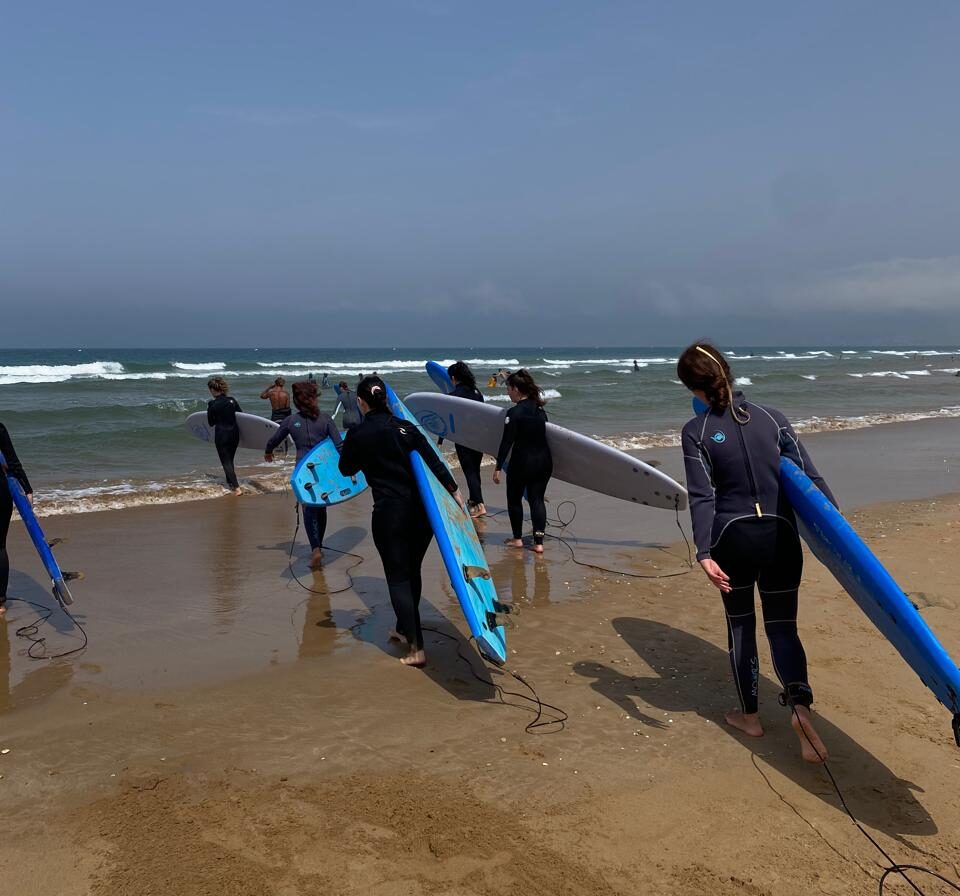
1. Ride the Waves: Why a Morocco Surf Adventure Starts Here
With over 1,800 km of Atlantic coastline, Morocco is blessed with waves for every type of surfer.
Whether you’re a beginner catching your very first whitewater rides at Banana Beach or a seasoned surfer chasing the long, peeling rights at Anchor Point, you’ll find a spot that feels like it was made for you.
In Tamraght, home to Original Surf Morocco, we wake up each morning and check the swell, wind, and tide to pick the best break for the day.
Sometimes it’s Crocro for a gentle, sunny session.
Other days, it’s Devil’s Rock for a bit more punch. And for the pros, there’s always the lure of Anchor Point or Boilers when the swell is firing. This variety of breaks is what makes a Morocco surf adventure so special for surfers of all levels. Before every session, checking Magic Seaweed or Windguru gives you a clear picture of what to expect in the water.
2. DISCOVER THE THRILL OF SAND SURFING PART OF THE SURFING ADVENTURE
Surfing doesn’t have to end when the waves go flat.
One of Morocco’s hidden gems is sand surfing, also called sandboarding, in the vast golden dunes that stretch into the horizon.
Imagine gliding down steep desert slopes on a board, feeling the rush of speed with nothing but the sound of sand beneath you.
From Tamraght, it’s an easy day trip to the sand dunes of Tamri or the massive rolling dunes near Essaouira.
Sand surfing is pure fun, a perfect way to switch things up on your surf holiday, and it’s something you’ll be talking about long after your tan fades.
Plus, the sunsets over the dunes? Absolutely unforgettable.
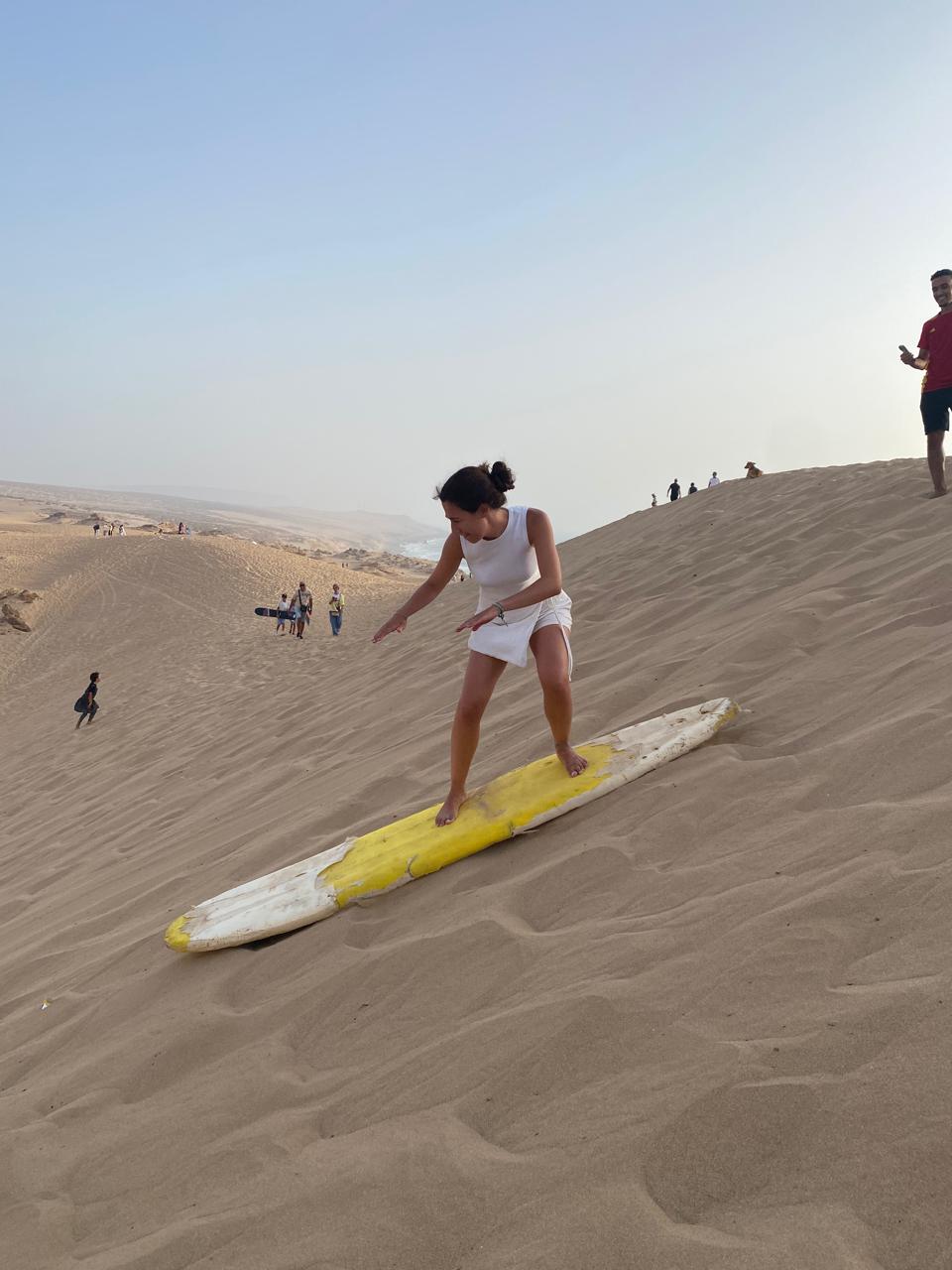
3. SURFING ADVENTURE IS ALL ABOUT SOAKING UP THE SURF CULTURE
Morocco’s surf culture is more than boards and waves — it’s a way of life.
You’ll feel it in the early morning surf checks, the post-session mint tea, the fresh tagines shared with friends, and the laughter echoing from beach bonfires.
Staying in a surf camp like Original Surf Morocco means you’re not just surfing — you’re becoming part of a family.
You’ll share rides to the beach, swap stories over couscous Fridays, and relax with sunset yoga sessions on the terrace.
And when the day ends, you fall asleep to the sound of waves rolling in.
4. SURFING ADVENTURE THE PERFECT BALANCE: OCEAN & DESERT
Where else in the world can you surf perfect ocean waves in the morning and ride sand dunes by afternoon?
That’s the beauty of Morocco — the contrast is magical.
The combination of sea spray and desert dust creates an adventure you can’t find in the usual surf destinations.
It’s this variety that makes Morocco such a special place for a surf holiday.
It’s not just a trip; it’s an experience that connects you with nature in two completely different, yet equally exhilarating, ways.
Ready for your Moroccan surf adventure?
At Original Surf Morocco, we’ll take you from the best local breaks to the wild beauty of the dunes — and make sure you experience the magic of both. Whether you’re here for a week or just a few days, you’ll leave with salty hair, sandy feet, and a heart full of memories.
FAQ
Is Morocco known for surfing?
Absolutely! Morocco is one of the most famous surfing destinations in the world. With over 1,800 km of coastline along the Atlantic Ocean, it offers a variety of surf spots for all levels. From mellow beach breaks to world-class point breaks, Morocco attracts surfers year-round thanks to its consistent swell, warm climate, and vibrant surf culture.
What is the surf capital of Morocco?
The surf capital is widely considered to be Taghazout — a laid-back fishing village turned surf haven just north of Agadir. It’s home to legendary breaks like Anchor Point, Panorama, and Hash Point, and has a buzzing surf community. Neighboring Tamraght, where Original Surf Morocco is based, offers equally great waves and a more relaxed atmosphere.
Is Morocco good for beginner surfers?
Yes, Morocco is fantastic for beginners! Many beaches — like Banana Beach in Tamraght, Devil’s Rock, and Crocro Beach — offer gentle waves, sandy bottoms, and surf schools to guide you through your first rides. The warm weather and friendly surf culture make it a great place to learn without the heavy wetsuits or intimidating crowds you might find elsewhere.
What is the most famous wave in Morocco?
Without a doubt, Anchor Point in Taghazout is the most famous wave in Morocco. It’s a long, right-hand point break that can run for hundreds of meters on a good day. Surfers from around the globe travel here for the chance to ride this iconic wave, which works best in the winter months when the Atlantic swell is at its peak.