
11 Best Surfing Flexibility Exercises (for beginners)
Introduction to Surfing Flexibility Exercises
Your flexibility is a key skill to work on if you want to fully enjoy your surf holiday at the best surf camp — Original Surf Morocco in Tamraght. You might wonder why flexibility matters so much in surfing. Well, being able to move freely helps you pop up smoothly, turn your board with control, and maneuver through waves with flow. A loose, mobile surfer is also less likely to get injured. That’s why we’ve put together this list of the 11 best surfing flexibility exercises that anyone — even beginners — can start practicing.
Before you jump straight on your surfboard, remember: surfing involves a wide range of motion. Your body needs to be ready to handle high-energy movements. Incorporating surf stretching exercises into your routine is the foundation for building strength, agility, and balance in the water.
Want to know how? Let’s dive in.
1. Jumping Jacks for Surfing Warm-Up

Jumping jacks are one of the simplest and most effective ways to warm up before a surf session. Even if you haven’t exercised in a while, this movement boosts your heart rate and loosens up your torso, legs, and arms — perfect for preparing your body for surfing flexibility exercises.
How to do it:
-
Stand tall with your feet together and arms at your sides.
-
Slightly bend your knees and jump, spreading your legs shoulder-width apart as you raise your arms overhead.
-
Jump again to return to your starting position.
-
Repeat continuously for 30–60 seconds.
Pro tip: Inhale before jumping, exhale as you spread your arms and legs. Wear athletic shoes to avoid slipping.
2. Deep Squats for Hip Mobility Surfing Flexibility Exercises

Your hips play a major role in your twists, turns, and balance while riding waves. The deep squat is one of the most beneficial surfing flexibility exercises because it strengthens your hips, knees, ankles, and spine — all essential for a stable stance on your board.
How to do it:
-
Stand with your feet shoulder-width apart, chest up, and arms extended forward.
-
Keep your weight on your heels and slowly lower into a deep squat.
-
Go down until your hips drop below your knees.
-
Push through your heels to return to standing.
-
Hold for 30 seconds and do 2 sets.
Pro tip: Squeeze your glutes as you rise and keep your knees aligned with your toes.
3. Child’s Pose for Hip and Back Flexibility
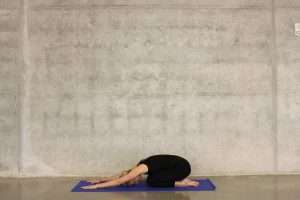
The Child’s Pose gently opens your hips and stretches your lower back — two areas surfers rely on for mobility and power. It’s an easy, restorative stretch ideal for both warm-up and recovery.
How to do it:
-
Kneel on the floor with knees apart and big toes touching.
-
Stretch your arms forward and lower your torso until your forehead touches the mat.
-
Relax your shoulders away from your ears.
-
Hold for 30 seconds, then return to the starting position.
-
Repeat twice.
Pro tip: Skip this pose if you have knee injuries. Always stay within your comfortable range of motion.
4. Bottom Leg Lifts for Core and Hip Stability

The bottom leg lift strengthens your inner thighs, hips, and core — all key for maintaining balance and control while surfing. It’s a simple yet powerful surf stretching exercise.
How to do it:
-
Lie on one side with legs extended in a slight banana shape.
-
Place your top leg in front of your bottom leg and rest your head on your hand.
-
Lift your bottom leg slowly, keeping it straight, then lower it back down.
-
Switch sides.
-
Do 14 reps on each leg.
Pro tip: Engage your core to stay stable and aligned throughout each lift.
5. Curtsy Lunges for Glute and Quad Flexibility
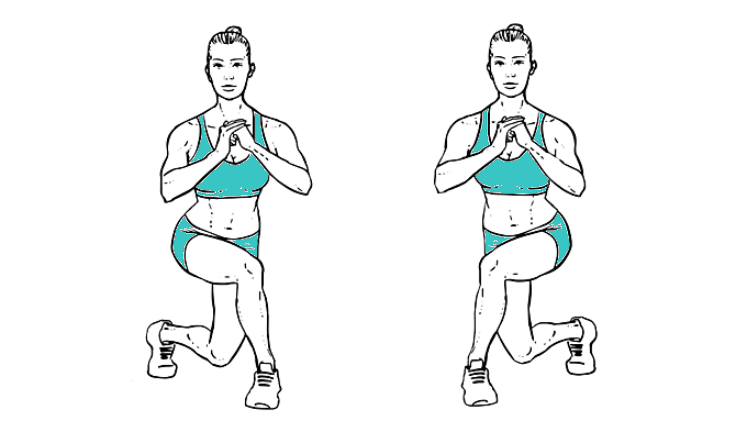
This movement targets your glutes, quads, and inner thighs, improving both flexibility and balance. The crossing motion builds stability for quick, agile turns on your surfboard.
How to do it:
-
Stand with your feet hip-width apart.
-
Step your right foot behind your left and bend both knees into a lunge.
-
Return to standing and repeat 14 times per leg.
Pro tip: Move slowly and keep your core engaged to maintain balance.
6. Side Leg Circles for Core and Hip Strength

Side leg circles are one of the best flexibility exercises for surfing because they strengthen your glutes, abs, and hip flexors — giving you smoother, more controlled movements on the board.
How to do it:
-
Lie on your side with legs stacked and straight.
-
Raise your top leg and draw small circles from the hip.
-
Reverse direction after each rep.
-
Switch sides and repeat.
-
Do 14 reps per leg.
Pro tip: Start with smaller circles and increase the size as your control improves.
7. Lying Butterfly Stretch for Hip Opening

This gentle stretch releases tension in the hips and groin, helping surfers maintain better mobility for popping up and maneuvering through waves.
How to do it:
-
Lie on your back with knees bent and soles of your feet together.
-
Let your knees fall open to the sides.
-
Place your hands on your thighs and breathe deeply.
-
Hold for 40 seconds and repeat once.
Pro tip: Focus on deep breathing to release tightness in your hips.
8. Quad Stretch with Wall Support for Surfing Flexibility Exercises

This simple but powerful exercise works your quadriceps — crucial muscles for paddling, balance, and pop-ups.
How to do it:
-
Stand near a wall and place your right hand on it for support.
-
Grab your left foot with your left hand and pull it gently toward your glutes.
-
Hold for a few seconds, then switch legs.
-
Repeat 5 times per leg.
Pro tip: If you feel pain in your knees or lower back, ease off the stretch.
9. Side-Lying Floor Stretch for Upper Body Mobility

This stretch improves flexibility in your lats and shoulders — essential for powerful paddling and rotation on the board.
How to do it:
-
Lie on your right side with your right knee bent and left leg straight.
-
Extend both arms overhead and stack them.
-
Hold for 20 seconds, then switch sides.
-
Repeat 5 times each side.
Pro tip: Keep your spine straight and your abs engaged for better alignment.
10. Cat-Cow Pose for Spinal Flexibility

The Cat-Cow Pose is one of the most effective surfing flexibility exercises for your spine. It improves posture, increases range of motion, and helps your body move fluidly — exactly what you need for surfing.
How to do it:
-
Get on your hands and knees with wrists under shoulders and knees under hips.
-
Inhale, drop your belly, and lift your chest (Cow Pose).
-
Exhale, round your spine, and tuck your chin (Cat Pose).
-
Continue for 40 seconds or 10 rounds.
Pro tip: Practice on an empty stomach and move slowly with your breath.
11. Floor Tricep Dips for Upper Body Strength

Strong arms and shoulders are essential for paddling and popping up. Floor tricep dips improve flexibility, coordination, and upper-body endurance.
How to do it:
-
Sit on the floor with knees bent and hands behind you, fingers pointing toward your body.
-
Lift your hips slightly and bend your elbows to lower your body.
-
Extend your arms to return to start.
-
Repeat 18 reps.
Pro tip: Keep shoulders relaxed and avoid dipping too low to prevent strain.
Final Thoughts on Surfing Flexibility Exercises
If you want to enjoy the best surfing experience during your surf holiday, start incorporating these surfing flexibility exercises into your daily routine. Practicing them consistently will increase your range of motion, improve your balance, and reduce your risk of injury.
Over time, your body — especially your hips and lower back — will become more agile, making popping up and maneuvering on the waves effortless.
Have questions or want to share your progress? Let us know in the comments below — or come experience surf and yoga training in person at Original Surf Morocco. 🌊