Surf Paddle: Tips on How To Improve and Catch More Waves
INTRODUCTION TO SURF PADDLE TIPS
Have you ever felt out of breath just minutes into a surf session? Do your arms feel like jelly before you’ve even caught your first wave? Are your shoulders feeling like they’re about to fall off midwater? Struggling with the surf paddle?
Don’t worry—you’re not alone in this feeling and the lineup.
Whether you’re escaping a freak set or paddling for a mushy summer wave, your arms and lungs play a vital role in your surfing experience.
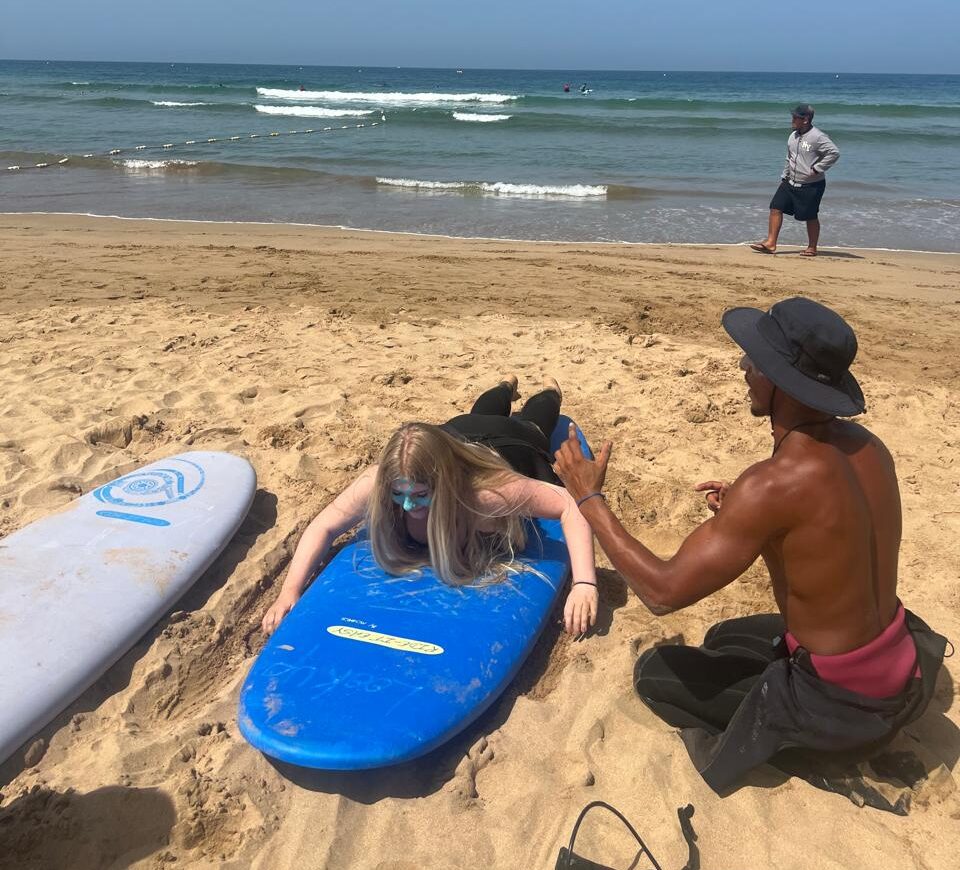
To paddle efficiently and powerfully, you also need proper body positioning, especially the torso and neck, and the technique of inserting your arms in the water.
We’ve all been there before: that moment when a wall of whitewater is crashing toward you, and despite your best efforts, you’re barely moving forward.
The burning in your arms and shoulders is real, relentless, and there’s nothing you can do about it.
WHY PADDLE POWER MATTERS
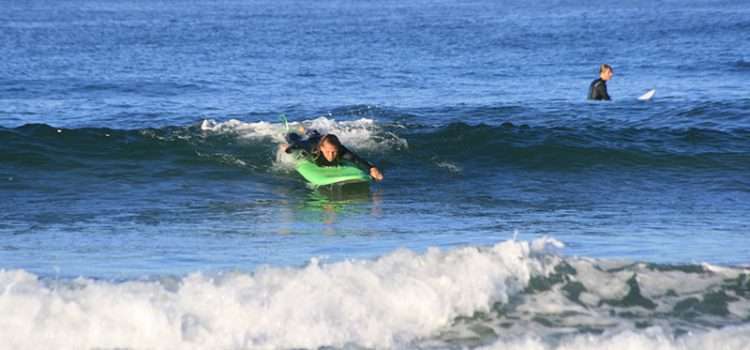
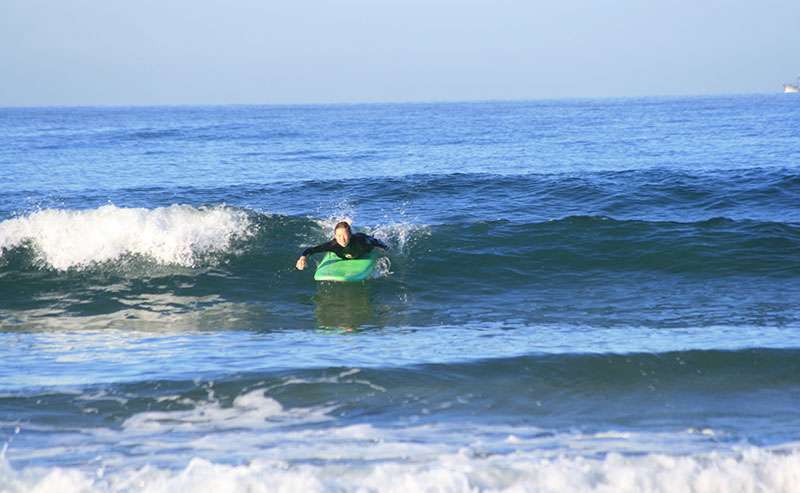
Paddling is at the core of surfing. It plays a crucial role when it comes to riding the waves.
It determines how fast you reach the lineup, whether you catch the wave, and how long you stay in the water.
Without solid paddling strength and technique, you risk missing waves—or worse, exhausting yourself early in the session.
The most efficient way to improve your surf paddling?
Simple and like everything else: spend more time in the water and paddle, paddle, paddle.
But if you’re landlocked or only surf occasionally, don’t worry—there are plenty of ways to train out of the ocean.
WHEN YOUR ARMS FEEL LIKE NOODLES
You might feel like your arms give out before your session even begins.
It is one of the worst feelings ever. But don’t despair.
That’s completely normal, especially for beginner or infrequent surfers.
Paddling uses muscles that most of us don’t train in daily life.
Luckily, that burn is fixable—with the right training.
MUSCLES THAT PADDLING ACTIVATES
The main muscles that paddling uses are the shoulders, core, back, along with arms and legs.
Let’s get scientific here for a second: the central muscles that paddling targets are the deltoids, rotator cuff, trapezius, rhomboids, latissimus dorsi, and erector spinae muscles in the back and shoulders are heavily used for the paddling motion.
The triceps extend the arms, and the core muscles stabilize the torso. While paddling, the chest muscles also assist in the pulling motion.

WATER-BASED PADDLE TRAINING
If you live near the ocean or a swimming pool, then you’re lucky and blessed; you can easily incorporate swim sessions into your routine.
Try:
- 1-hour intensive training, twice a week
- Short, fast sprints to build speed and stamina
These drills mimic the biomechanics of surf paddling.
Over time, you’ll generate more speed per stroke and build serious lung capacity.
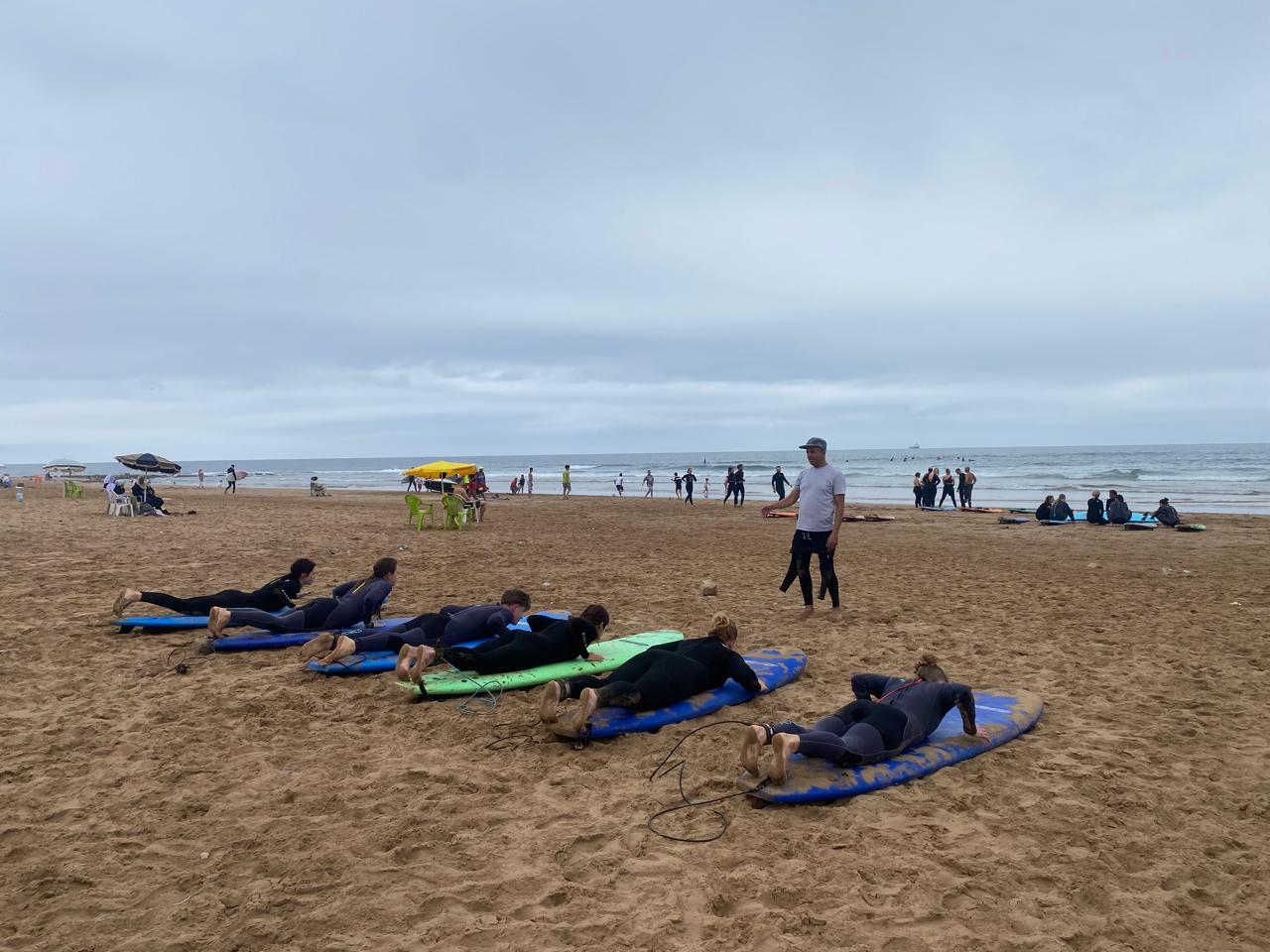
LAND TRAINING FOR SURFERS
Can’t hit the water regularly?
Dryland training can still do wonders. Paddling is a mix of:
- Open-chain movements (e.g., one-arm cable pulls)
- Closed-chain movements (e.g., chin-ups, TRX rows)
TRX rows are a suspension training exercise that utilizes a TRX (Total Resistance Exercises) system to work the back muscles, specifically the latissimus dorsi, rhomboids, and trapezius, as well as the shoulders, biceps, and core.
Incorporate strength and mobility exercises that target:
- Shoulders (rotator cuff, delts)
- Upper back (lats, traps)
- Core (planks, dynamic crunches)
These movements simulate real paddling mechanics and improve endurance, strength, and technique.
PRO TIPS FOR THE PERFECT PADDLING TECHNIQUE
Even the strongest surfer wastes energy with poor technique.
Here’s how to paddle smarter:
-
- Extend your arm fully and open the torso with each stroke
- Bend the elbow and dig deep into the water
- Lift your chest slightly to avoid sinking the tail of your board
- Align your body perfectly with the board to maximize glide
- Cup your hand slightly to increase the volume of water pulled
And here’s a fun science fact: studies show that having your fingers slightly apart (by 20–40%) actually increases paddle efficiency compared to keeping them tightly closed.
When a wave approaches, prepare for an extra push by shifting your chest upward—but not too much. Overlifting causes drag and slows you down.
BUILD SURF PADDLE POWER AND CONFIDENCE
Paddle power isn’t just technique—it’s a combination of surf-specific fitness, water time, and proper body mechanics. Whether you’re in the ocean, in a pool, or at the gym, consistent training will help you:
- Catch more waves
- Stay out longer
- Build confidence in challenging surf conditions
But the best way to get better? Get out there, paddle with guidance, and surf more!
JOIN US IN THE WATER 🏄♀️ AND IMPROVE YOUR SURF PADDLE
There’s no substitute for time in the ocean. Join us at Original Surf Morocco, where our surf coaching program is designed to help you build strength, master your paddle, and catch more waves—whether you’re a total beginner or ready to level up.
Get ready to paddle smarter, not harder, even though paddling harder won’t harm you.
Check out our Surf Coaching Program.
FAQ ABOUT SURF PADDLE
How to get better at paddling?
To improve your paddling, consistency and technique are key. The best way is to paddle more—whether in the ocean, flat water, or even a pool. Focus on good body positioning: chest slightly lifted, eyes forward, and hands entering the water smoothly with a deep, powerful stroke. Cross-training with swimming, shoulder mobility work, and upper body strength exercises (like pull-ups and rows) also enhances paddling endurance and power.
Does swimming improve surf paddle?
Yes! Swimming is one of the most effective cross-training methods for surf paddling. It builds cardiovascular fitness, improves breath control, and strengthens the shoulders, lats, and core—muscle groups used in paddling. Interval-based swim workouts that include sprints and endurance laps closely mimic paddling intensity and help you paddle longer without fatigue.
What makes a surfboard easier to paddle?
A surfboard’s volume, shape, and length determine how easily it paddles. Boards with more volume (especially in the nose and middle) float better and allow smoother gliding, making them easier to paddle. Wider, longer boards (like funboards and longboards) are typically more beginner-friendly and offer more stability and speed when paddling compared to shortboards.
Does surf paddle build muscle?
Yes, paddling is a great full-body workout that especially strengthens the upper body. It targets the shoulders (deltoids), upper back (trapezius, rhomboids), lats, arms, and core. While it won’t bulk you up like weightlifting, consistent paddling builds lean muscle endurance and improves overall strength, posture, and athletic performance in and out of the water.