

Visit Morocco 2026: 15 Essential Tips for First-Timers
Are you a regular traveller with plans to visit Morocco anytime soon?
Or maybe this will be your first journey, and you’re looking for a truly beautiful place to discover in Africa.
Either way — you’ve made an excellent choice. Morocco is an incredible destination full of colour, culture, and unforgettable moments.
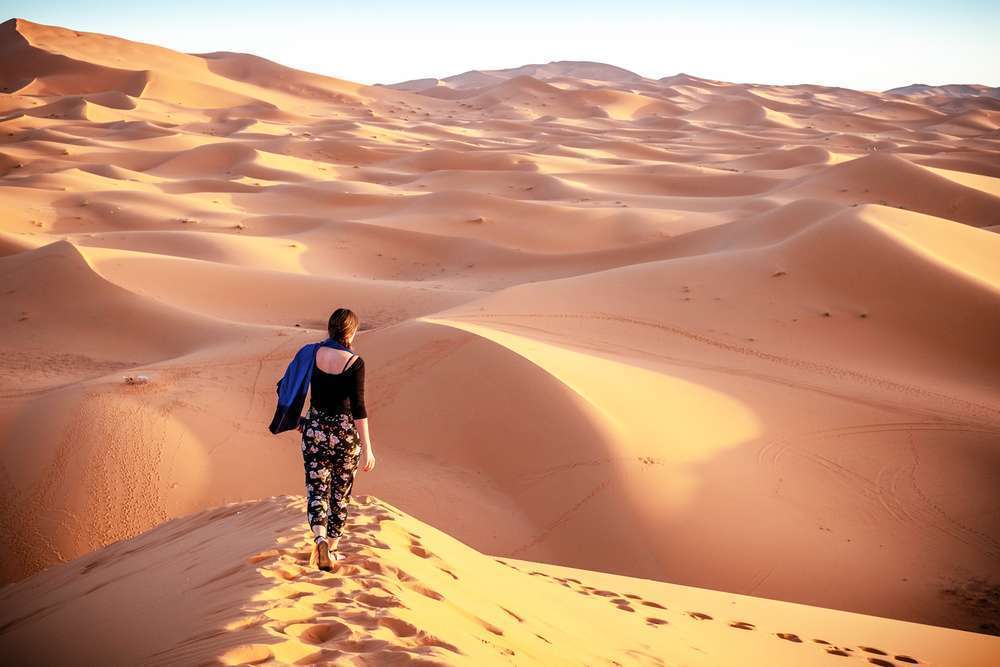
One thing’s for sure: your trip to Morocco might just be one of the best vacations you’ll ever have.
While the months of June and July can be very hot inland, the coast stays cooler, and the temperature becomes more comfortable toward the end of the year — a perfect time for travel.
To help you get the most out of your trip, here’s everything you need to know to travel smart, safe, and respectfully in Morocco.
🌍 Get to Know Your Destination
When visiting a new place, it’s important to familiarize yourself with the local environment and culture.
You don’t want to get lost or find yourself in situations where communication becomes a challenge. As a traveler, you have the right to free passage — but understanding the rules, customs, and etiquette of Morocco will keep your journey smooth and enjoyable.
What might be acceptable in your country may not be in Morocco, so taking time to prepare will go a long way.
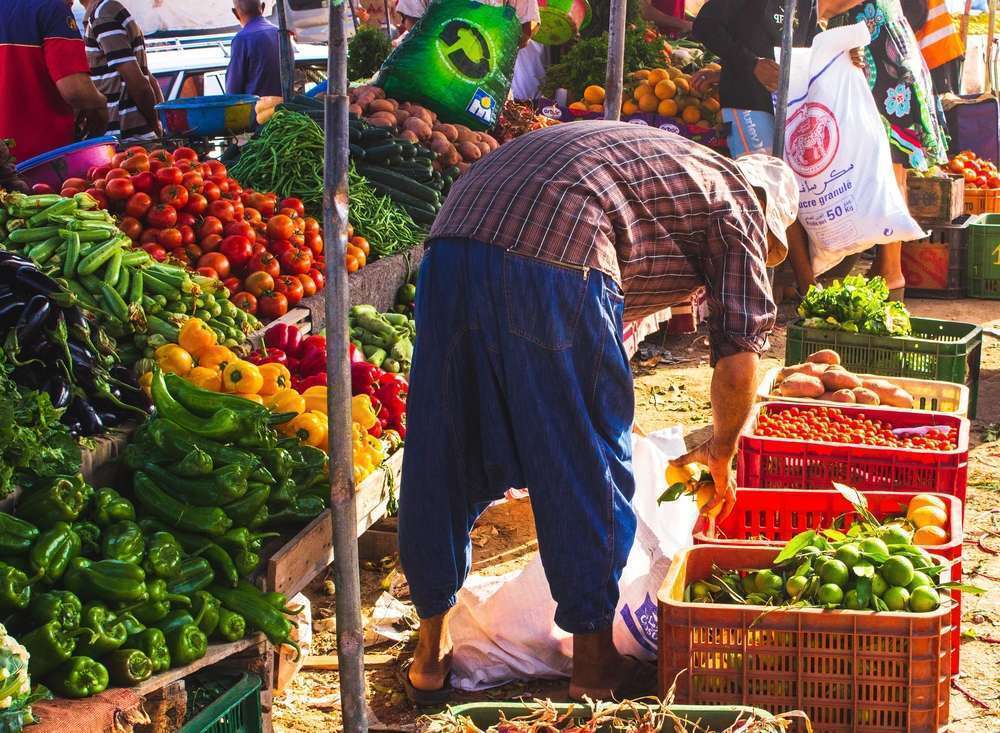
Brushing up on the local languages is one of the most helpful steps you can take. While English is spoken in Morocco (especially in tourist areas), the main languages are:
- Arabic (Darija – Moroccan dialect)
- Berber (Tamazight)
- French (widely used in cities and business)
It’s smart to learn a few basic phrases to help you connect with locals, especially in markets or smaller towns where English might not be spoken fluently. You can also install a translation app on your phone to help bridge gaps.
Here are a few helpful Arabic words and phrases:
- Assalamu alaykum – Peace be upon you (Hello)
- Choukran – Thank you
- La choukran – No thank you (Useful when politely turning down offers from market sellers)
- Balak – Watch out! (Often shouted in busy souks to warn you to step aside for carts or motorbikes)
- Bslama – Goodbye
- M’n fadlek – Excuse me
- Ayeh – Yes
- ’Afak – Please
- B’ch’hal – How much?
📝 Tip: Different regions have different dialects. In cities like Marrakech or Casablanca, French is widely used, while Berber is more common in the Atlas Mountains. Knowing a few local words can go a long way in building connections.
💊 Health and Safety Precautions When You Visit Morocco
Traveling often brings changes in food, water, weather, and daily routines — and your body may need time to adjust. To avoid common issues:
- Visit your doctor before you travel to get advice on recommended vaccinations and preventive measures.
- Stick to bottled water to avoid stomach upsets.
- Bring Imodium or other anti-diarrhea medicine — trying new foods can sometimes cause digestive issues.
- Get travel insurance that covers medical care during your entire trip.
- Know where to find pharmacies and medical care — most hotels can help or even provide an in-house doctor (though it can be pricey).

⚠️ Henna Tattoos: While traditional henna art is beautiful, be careful. Some black henna mixes contain PPD (paraphenylenediamine), which can cause allergic reactions. Always ask what ingredients are used, and test a small patch first.
With a few simple precautions, you’ll be free to enjoy your Moroccan adventure without worries.
🕌 Culture and Etiquette in Morocco
Morocco is a Muslim country, and while it’s welcoming to travelers, it’s important to respect local customs and dress modestly.
- Clothing:
- Women: It’s best to wear clothing that covers shoulders, chest, and knees in public areas. Loose trousers, long skirts, or maxi dresses are great choices. Carry a scarf or shawl to cover up if needed, especially when visiting religious or rural areas.
- Men: T-shirts, jeans, and long shorts are fine. In more traditional areas, avoid sleeveless shirts.

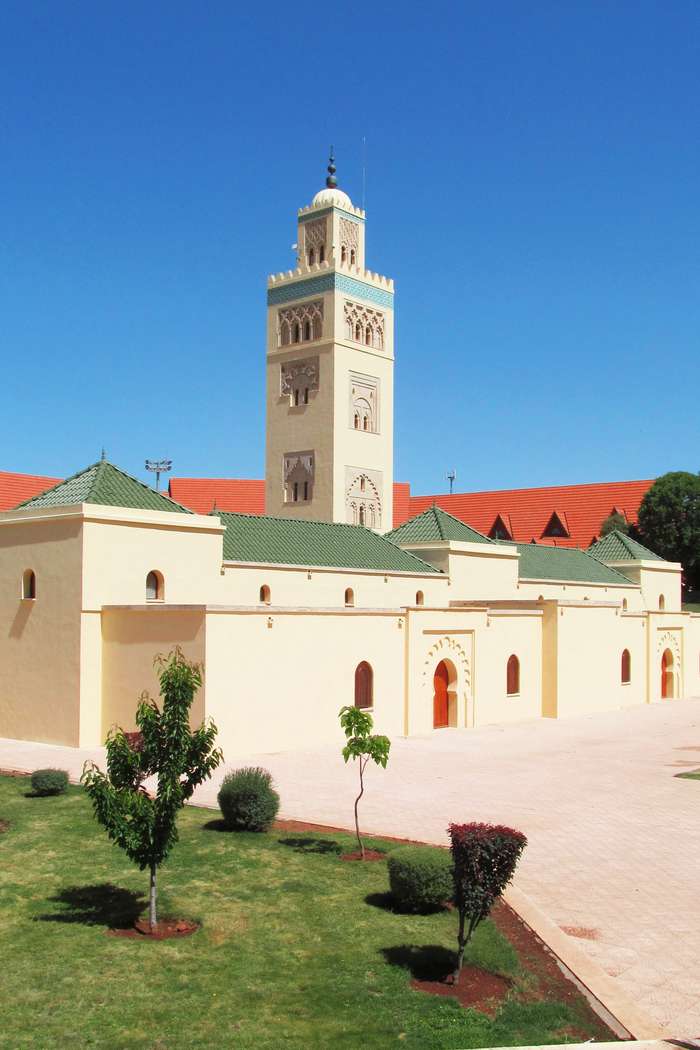
- Mosques: Non-Muslims are generally not allowed inside mosques (except a few, like the Hassan II Mosque in Casablanca). You can admire and photograph them from outside.
- Public affection: In cities like Marrakech or Agadir, you’ll see more relaxed behavior, but in rural areas or the High Atlas Mountains, avoid kissing, hugging, or drinking alcohol in public.
- Fridays are holy days: Many shops close for Friday prayers. Plan around this so you don’t end up wandering while everything is shut.
Blending in by dressing respectfully and observing customs will make your experience much smoother — and appreciated by locals.
🛍️ Shopping in the Souks When You Visit Morocco
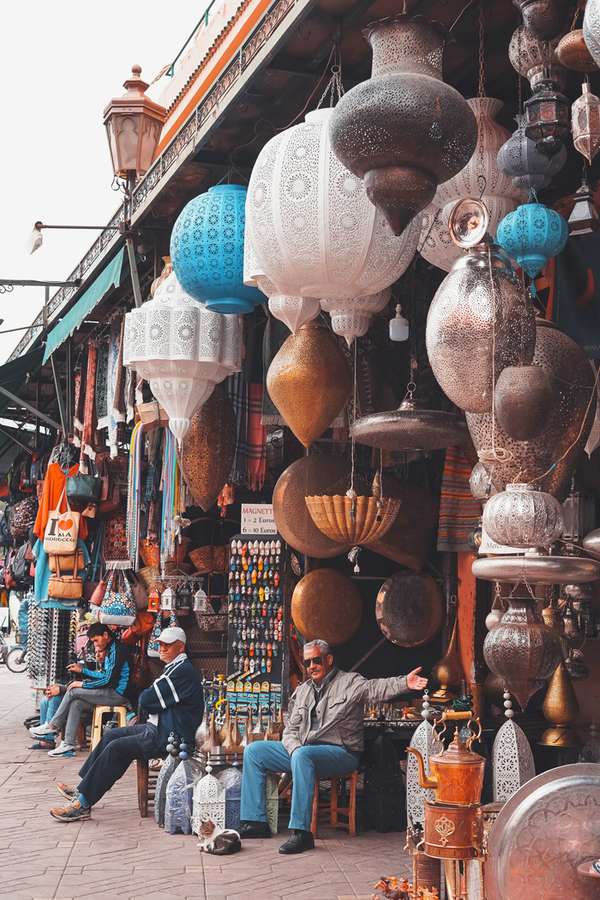
Shopping is a central part of Moroccan culture, and the bustling souks (markets) are a must-see.
- Haggling is expected — start by offering half the initial asking price and negotiate politely. It’s part of the fun!
- Know where to go:
- Fez – famous for leather goods and carpets
- Marrakech – known for spices, oils, and fragrances
- Watch out for fakes: Real saffron turns yellow in water, while fakes turn red.
- Stay alert for pickpockets — keep your valuables secure and avoid flashing cash or gadgets.
Shopping in Morocco is an experience in itself, full of color and energy — just go in prepared and with a smile.
💰 Cash, Currency & Payments
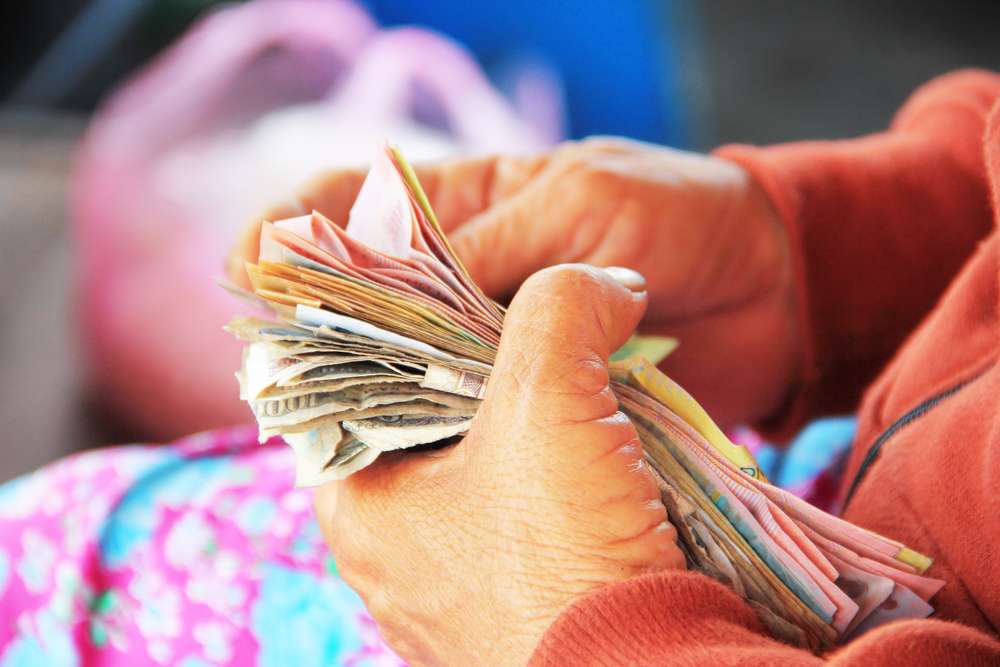
Morocco’s currency is the dirham (DH), which isn’t available outside the country.
- Exchange currency after you arrive — at the airport, banks, or local exchange offices.
- Cash is king: Many small shops and street vendors don’t accept cards.
- Always carry small change for taxis, snacks, or tips.
💡 Tipping: For small favours or local help, 2–5 DH is fine. In restaurants or for tour guides, 5–10 DH is a kind gesture.
🚶 Getting Around Safely When You Visit Morocco
Exploring Morocco is amazing, but safety and awareness are key:
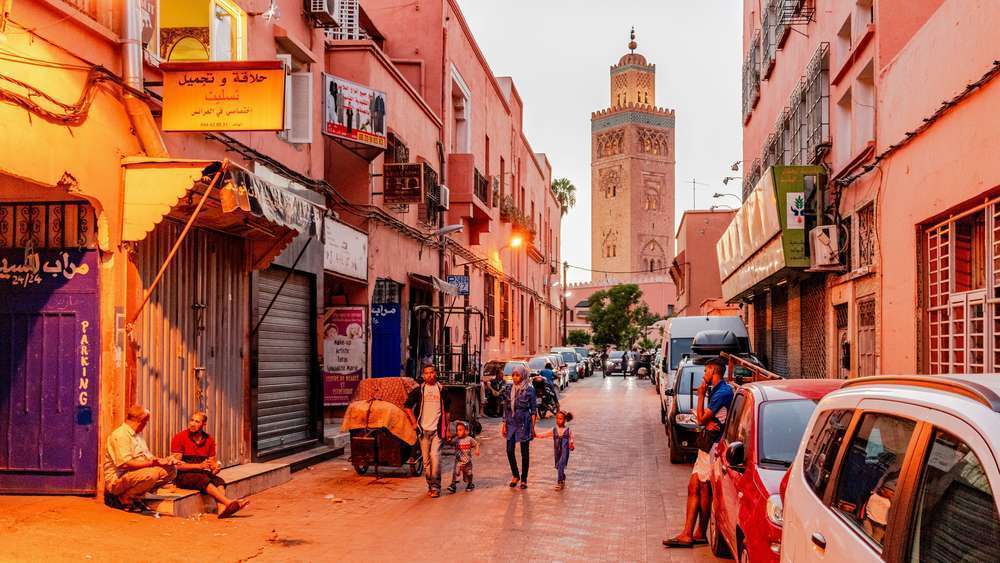
- Walk in groups or with a trusted local guide.
- Avoid accepting unsolicited help from “friendly strangers” — some expect payment afterward.
- Always let someone know where you are going.
- For female travelers especially:
- Avoid going out alone after dark
- Head back to your accommodation before nightfall
- If you feel tired or unwell, return to your hotel and rest
Moroccans are warm and welcoming, but like anywhere, staying alert will keep your trip smooth and stress-free.
📸 Photography Etiquette When You Visit Morocco
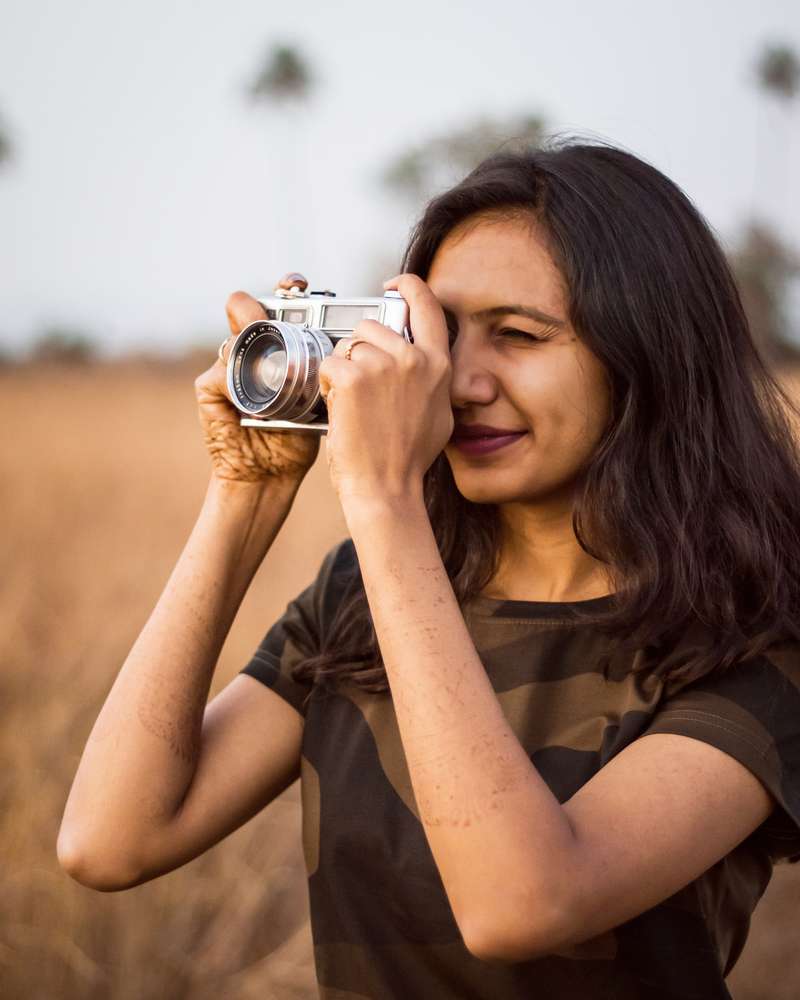
Morocco is stunningly photogenic — but always ask before photographing people, especially in markets or rural areas. Some may ask for a small tip in exchange for posing.
- It’s fine to take pictures of landscapes, architecture, and yourself without asking.
Be extra respectful around religious sites or police/military buildings where photography may be restricted.
T
🌟 Final Thoughts About Visit Morocco
If you follow these tips and prepare in advance, you’re set to have an amazing, unforgettable journey in Morocco.
Explore the souks, savor the food, admire the architecture, and soak up the culture — whether you’re traveling solo, with friends, family, or a partner.
And if you want to experience Morocco’s coastal beauty, head down to Tamraght and join us for some waves — you might just discover a whole new passion. 🏄♂️🌊
FAQ About Visit Morocco
🧭 Is Morocco friendly to tourists?
Yes, Morocco is very friendly and welcoming to tourists. Moroccan culture values hospitality, and visitors are often greeted warmly. Locals are generally helpful if you ask for directions or need assistance, and many speak at least some French, Spanish, or English, especially in tourist areas. In coastal towns like Tamraght, Taghazout, and Agadir, tourism is a big part of daily life, so people are used to meeting travelers from all over the world.
Tip: A smile and polite greetings (like “Salam” or “Bonjour”) go a long way when interacting with locals.
🛡️ Is it safe to go to Morocco right now?
Yes, Morocco is considered one of the safest destinations in North Africa for travelers. The country has a stable political situation, and violent crime is rare. Petty theft (like pickpocketing) can happen in crowded places, as it can anywhere, so use normal travel precautions:
-
Keep valuables secure
-
Avoid walking alone late at night in unfamiliar areas
-
Use registered taxis or ride apps in cities
Tourist regions such as Agadir, Marrakech, Essaouira, and the surf towns of Tamraght and Taghazout are especially safe and welcoming.
🕌 What is the #1 tourist attraction in Morocco?
The Medina of Marrakech is often considered Morocco’s #1 attraction. It’s a UNESCO World Heritage site filled with bustling souks (markets), ancient palaces, gardens, mosques, and lively squares like Jemaa el-Fnaa.
Other iconic attractions include:
-
Chefchaouen, the blue city in the Rif Mountains
-
The Sahara Desert (Merzouga and Erg Chebbi dunes)
-
Fes Medina, one of the oldest medieval cities in the world
-
The Atlas Mountains for trekking and nature
⚖️ What are the unspoken rules in Morocco?
There are a few cultural norms and etiquette tips that travelers should keep in mind:
-
Dress modestly: Especially in rural areas or religious sites. For women, covering shoulders and knees is respectful; men should avoid going shirtless outside the beach.
-
Ask before taking photos of people, especially in markets or small villages.
-
Use your right hand when giving or receiving money or items (the left hand is traditionally considered less clean).
-
Tipping is customary: Small tips are appreciated for guides, waiters, drivers, or anyone offering a service.
-
Public displays of affection are limited: Holding hands is okay, but kissing or hugging in public is uncommon.
-
During Ramadan: Be discreet about eating or drinking in public during daylight hours out of respect.